That Over the Hills and Far Away Quote Is Not John Gray’s, It Is a 300-Year-Old Song
The verdict: no John Gray wrote it. The verse is John Gay’s, from The Beggar’s Opera (1728), set to a song the stage already knew from George Farquhar’s The Recruiting Officer (1706). One letter separates the credit from the truth.
The short answer: no John Gray wrote “I would love you all the day, every night we would kiss and play, if with me you’d fondly stray, over the hills and far away”; the verse is John Gay’s, sung in The Beggar’s Opera in 1728 to a tune London already knew from George Farquhar’s The Recruiting Officer in 1706, and the song behind both is older than either play.
If you have seen the line on a pin board or a caption list with John Gray’s name under it, you are in wide company. The words are real, the feeling is real, and the credit is one letter away from being right. Here is the whole trail, with the original texts open beside it so you can check every step yourself.
Who wrote “Over the Hills and Far Away”? The verdict
I would love you all the day, every night we would kiss and play, if with me you'd fondly stray, over the hills and far away.
The verse has two datable homes, and neither belongs to a John Gray. The exact lines are John Gay’s, from The Beggar’s Opera, first staged in London in 1728; the full text is free to read at Project Gutenberg (gutenberg.org). The title, tune and refrain were already a hit two decades earlier: George Farquhar worked the song into The Recruiting Officer in 1706, also free to read in full (gutenberg.org). Behind both plays sits a traditional English song that nobody can put a single name to, which is exactly why two different playwrights could each borrow it.
So the honest credit runs: verse by John Gay, 1728; song older, popularised on stage from 1706. We could find no reliable reference that credits any John Gray, in any century, and the standard references all point the same way (en.wikipedia.org).
The verbatim lines, and where they actually appear
In The Beggar’s Opera, Act I, the highwayman Macheath and Polly Peachum sing the air numbered XVI, printed under the tune name “Over the Hills and far away”. The closing lines are the ones on all the pin boards, and they are a duet: he offers the first line, she answers, and they trade to the end.
And I would love you all the Day, Every Night would kiss and play, If with me you'd fondly stray, Over the Hills and far away.
Set Gay’s text beside the internet version and you can watch the smoothing happen. Gay wrote “Every Night would kiss and play”; the popular version adds a “we” and folds the two voices into one speaker. Small changes, but if you are quoting the poem rather than the poster, the 1728 wording is the one above (gutenberg.org).
Twenty-two years earlier, the same refrain was doing very different work. In The Recruiting Officer, Act II, Scene III, Sergeant Kite has two drunk recruits singing it in the street, and Captain Plume walks on singing this verse:
Over the hills and over the main, To Flanders, Portugal, or Spain, The king commands and we'll obey, Over the hills and far away.
One small honesty note on that verse: the Project Gutenberg printing reads “the king commands”, while versions from the play’s own decade sing “the queen commands”, because 1706 was Queen Anne’s reign and the text shifted with the monarch (gutenberg.org). That is the nature of this song: it was a living thing that every generation rewrote, which is also how a love duet and a recruiting march can share one refrain. Thomas D’Urfey printed still other versions in his songbook Wit and Mirth, or Pills to Purge Melancholy in the same era (mainlynorfolk.info).
John Gray vs John Gay: one letter, three centuries apart
How does a 1728 stage lyric end up credited to a John Gray? The likeliest answer is the dullest one: somebody typed an r into John Gay’s name, and the internet copied the typo faster than anyone could correct it. It does not hurt that John Gray reads like a plausible author name; there are well-known modern writers called John Gray, none of whom has ever claimed the verse, and the name gives the misprint a borrowed solidity that “John Gay” apparently lacked.
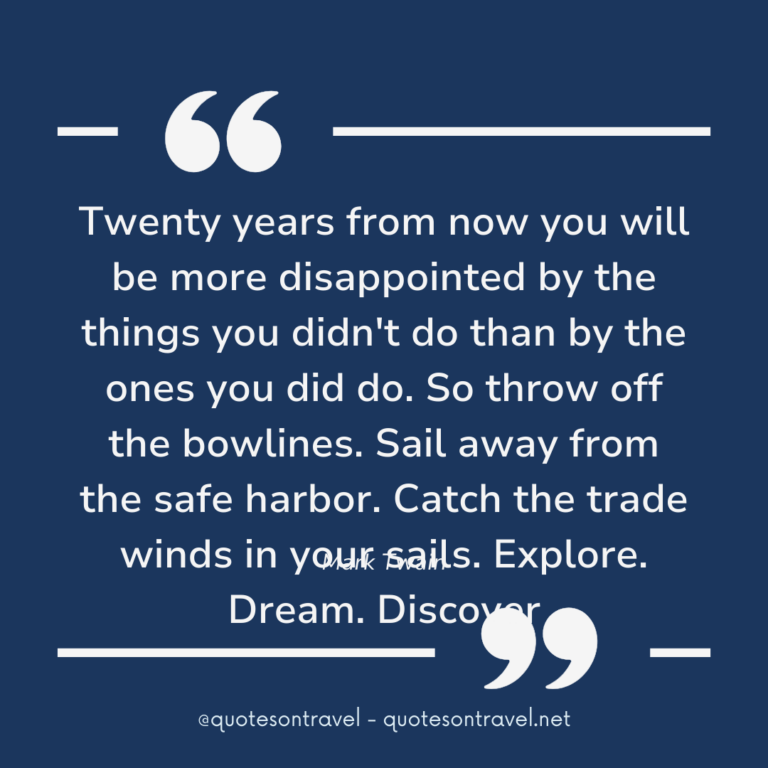
Quotes drift toward names that look right. It is the same mechanism that pinned a 1990 book passage on Mark Twain, which we traced in our fact-check of the “twenty years from now” quote: an appealing line, a credible-sounding name, a few confident reprints, and the wrong credit becomes the common one. The difference here is that the real author is one letter away, waiting.
What we could not verify, stated plainly
A fact-check should show its gaps as clearly as its findings, so here are ours. First, we could not trace who first attached the name John Gray to the verse; the misprint has no findable first appearance, only thousands of copies. Second, nobody can name the song’s original author: it predates both plays, and the earliest surviving versions are the printed ones in D’Urfey, Farquhar and Gay. “Traditional” is not a dodge here, it is the finding.
Third, even the song’s catalogue number is genuinely disputed. The Roud Folk Song Index is the standard registry for traditional songs, and the folk references we checked index the soldiering versions of this one at Roud 3356 (mainlynorfolk.info), while Wikipedia’s article on the song lists Roud 8460 (en.wikipedia.org). We print both rather than pick a winner, because the disagreement makes the deeper point: this is a family of rewrites sharing a refrain, not one text with one owner.
The correct way to credit it
If you want to go deeper, the two primary texts are free in full: The Beggar’s Opera at Project Gutenberg and The Recruiting Officer at Project Gutenberg. For the song’s folk history, the Mainly Norfolk entry collects versions and recordings. And for checking any quote before you trust it, Quote Investigator and WIST are the standing authorities we reach for first; our own corrections live in the travel quotes fact-check hub.
Questions people ask about this quote
Did John Gray write “over the hills and far away”?
No. No published work by any John Gray contains the lines, and no reference we checked credits one. The verse is John Gay’s, from The Beggar’s Opera (1728), where Macheath and Polly sing it as a duet; the refrain and tune were already famous from George Farquhar’s The Recruiting Officer (1706). The John Gray credit is almost certainly a one-letter misprint of John Gay’s name that spread online.
Is this the song from the Sharpe TV series?
Same song family, different verses. John Tams arranged and sang “Over the Hills and Far Away” as the theme of the Sharpe series in the 1990s, writing new soldiering verses of his own onto the old refrain, and that revival is how many people first met the song. His words are modern; the refrain he built on is the one Farquhar’s recruits were singing in 1706.
What is Roud 3356?
A catalogue number in the Roud Folk Song Index, the standard registry of traditional English-language songs, where each song family gets one number across all its versions. Folk references index the soldiering versions of “Over the Hills and Far Away” at Roud 3356 (formerly 3098), though Wikipedia’s article on the song lists Roud 8460. The split exists because this is a sprawling family of rewrites, and cataloguers have drawn its edges differently.
Did John Gay write the whole song?
No, and he never claimed to. The Beggar’s Opera is a ballad opera: Gay wrote new lyrics onto tunes his audience already knew, and Air XVI is labelled with the tune name “Over the Hills and far away” precisely because the melody was borrowed. The four lines in question are his; the tune, the title and the refrain idea belong to the older traditional song.
The nicest thing about this correction is that nothing is lost by making it. The verse keeps its charm, it gains a real author with a real date, and it turns out to carry three centuries of soldiers, lovers and television themes on its back. If a line this good can wear the wrong name for years, it is worth asking about the others on your board; the verified ones, sourced to book and year, are collected in our 100 best travel quotes.