
The Best Lord of the Rings Box Sets, Ranked: Which Edition Is Actually Worth Buying
Four box sets, compared on what actually differs: illustrations, binding, what is in the box, and what the price buys. A specification comparison, honestly framed.
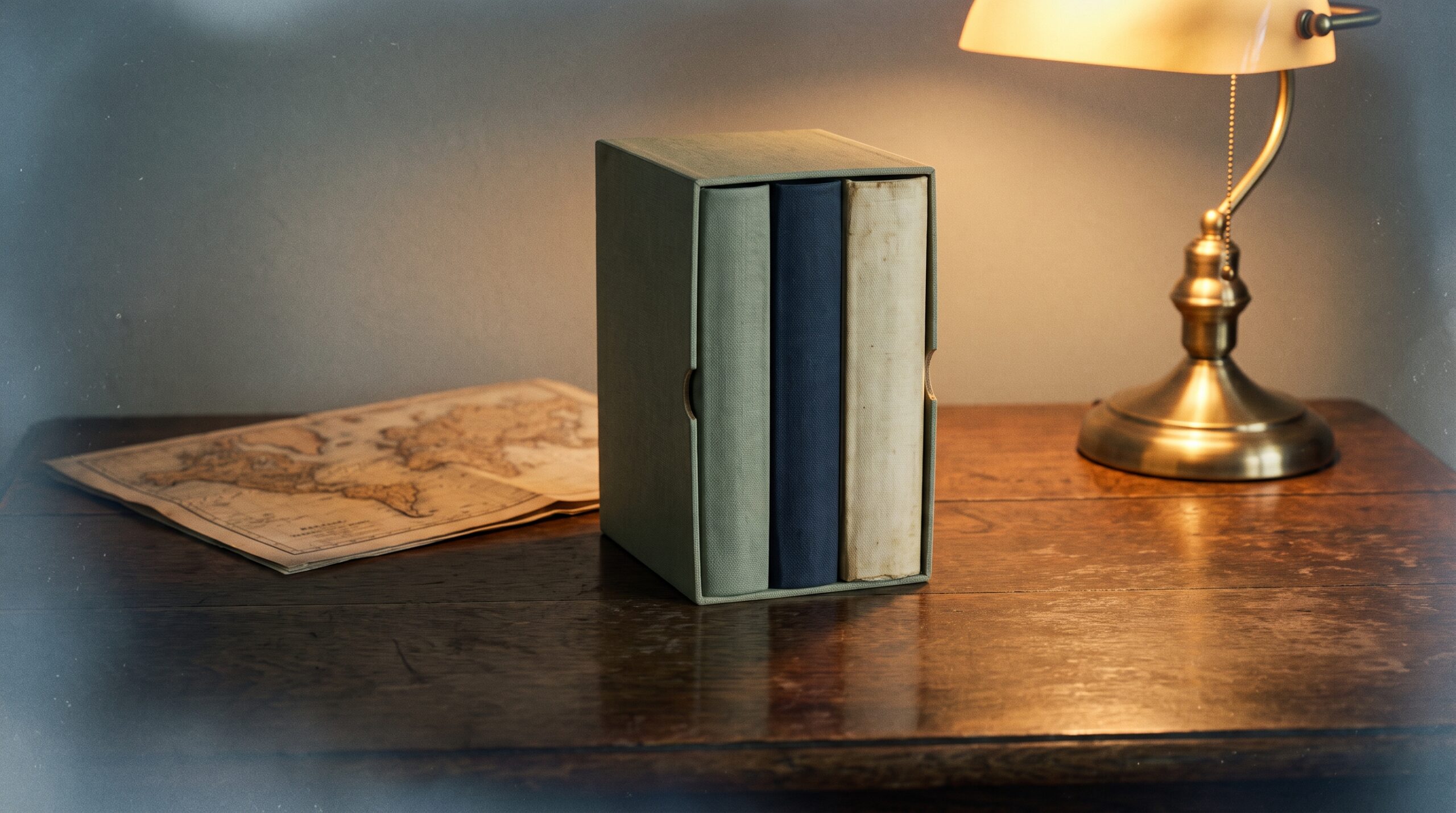
A Lord of the Rings boxset is one purchase with four honest answers, and the difference between them is not the story. The words are the same in the $20 box and the $90 one. What you are actually choosing is a physical object: illustrated or plain, hardback or paperback, three books or four, and whether Alan Lee’s watercolours are worth roughly four times the price of the plain paperback run.
Nobody on this editorial team has handled every edition on this page, so we will not pretend otherwise. What follows is a straight specification comparison, built from publisher records and the patterns in thousands of owner reviews: what is in each box, how each is made, and who each one is actually for. If you are buying a gift, which at this time of year most people searching this are, the answer sits one section down.
Which Lord of the Rings boxset should you buy? The 60-second answer
The four box sets worth considering

Illustrated Hobbit + LOTR (Alan Lee)
See More Here Illustrated Hobbit + LOTR (Alan Lee)1. The Hobbit & The Lord of the Rings Illustrated Boxed Set (Alan Lee)
Best for: The gift, and the copy that stays on the shelf for decades
HarperCollins’ 2020 boxed set: four matching hardbacks, The Hobbit and all three Lord of the Rings volumes, carrying more than seventy of Alan Lee’s full-page watercolours between them. Lee is the artist whose paintings shaped the look of the Peter Jackson films, and these are the editions his work belongs in. Owners consistently praise the paper, the sewn bindings and the slipcase; the one recurring gripe is below in the cons, and it is minor.
Pros
- Alan Lee's seventy-plus watercolour plates, the definitive illustrated treatment
- Four hardbacks in a sturdy slipcase, The Hobbit included
- Reviewers consistently rate the paper and binding quality highly
Cons
- The dust jackets are printed on thin stock; owners who read with them on report wear
- At roughly four times the price of the plain paperback run, this is a gift or a keeper, not a beach copy
2. J.R.R. Tolkien 4-Book Boxed Set (pocket paperbacks)
Best for: A first read, a travel copy, or a teenager you are hoping to convert
Del Rey’s mass-market box: The Hobbit and the full trilogy, 1,728 pages, in a pocket format that genuinely travels. It carries the highest rating of any Tolkien box on Amazon, on the largest review base, and it costs less than a single volume of the illustrated set. This is the set for reading, not displaying.
Pros
- All four books for the price of one hardback
- Pocket trim that fits a daypack or a plane seat
- The highest-rated Tolkien box on Amazon, on the biggest review base
Cons
- Mass-market print is small; several reviewers with older eyes flag it
- Movie tie-in styling, if the purist on your list minds that sort of thing

3. The Lord of the Rings 60th Anniversary Hardback Boxed Set
Best for: The reader who cares which text they are reading
HarperCollins’ Diamond Anniversary set: the trilogy in three hardbacks wearing Tolkien’s own unused 1950s dust-jacket designs, plus a fourth hardback, A Reader’s Companion, the Hammond and Scull annotation guide. The text is the restored 2005 edition with roughly four hundred corrections and the fold-out red-and-black maps, which makes this the closest box to the version Tolkien intended. No Hobbit in this one; it is a Lord of the Rings set proper.
Pros
- Tolkien's own 1950s cover designs, finally on the covers
- The restored 2005 text with fold-out maps and the Book of Mazarbul plates
- Includes A Reader's Companion, a serious annotation volume
Cons
- The slipcase is the weak point; more than one owner reports tears in transit
- Small type with narrow spacing for the trim size

4. The Lord of the Rings 3-Book Paperback Box Set
Best for: Someone who just wants to read the story, this month, for the least money
The plain trade-paperback trilogy in a box, usually near twenty dollars. Bigger pages and larger print than the pocket set, no illustrations, no extras, no Hobbit. There is nothing collectible here and nothing wrong with that: it is the cheapest new set on this page and the one we would hand to someone who asked to simply read the books.
Pros
- The cheapest way to own the trilogy new
- Trade-paperback trim with comfortably readable print
- The set shoppers actually buy: Amazon listing data showed about 2,700 copies moved in the month before our check
Cons
- No Hobbit in the box: this is the trilogy only
- Plain reading copies; nothing here for the collector or the gift table

Notes on this ranking
How we compared these editions: nobody at Quotes on Travel has handled all four sets, and we will not imply otherwise. The ranking is built from publisher specifications (HarperCollins and Del Rey product records for contents, illustrator credit, trim and text edition), price bands checked in early September 2026, and the consistent patterns across tens of thousands of Amazon owner reviews, which is also where the ratings shown on each card come from. We display those ratings as context; we do not certify them. The order weighs givability, completeness and build quality over raw price, which is why the illustrated set leads while the two cheapest boxes carry the highest scores.
Illustrated or plain: what Alan Lee actually changes
Alan Lee has been painting Middle-earth since before the films existed; Peter Jackson hired him as a conceptual designer precisely because his watercolours already looked like the books felt. The illustrated boxed set carries more than seventy of his full-page paintings across the four volumes, and they are not decoration bolted onto the text. They are muted, atmospheric landscape work that sits inside the story’s register rather than competing with it.
Whether that is worth the difference is a genuine question, not a rhetorical one. If the books are going to be read once and passed on, it is not. If they are going to be a gift, or the copy a household keeps for twenty years, the watercolours are the difference between a box of books and an object someone is glad to own. That is the honest split, and it is why the plain sets stay on this page rather than being dismissed.
Three books or four: where The Hobbit fits
This is the most common unboxing disappointment with any lord of the rings boxset, so here it is plainly. The Lord of the Rings is three volumes: The Fellowship of the Ring, The Two Towers, The Return of the King. The Hobbit is a separate, earlier book. A three-book box is the trilogy only. A four-book box adds The Hobbit, except the anniversary set above, whose fourth volume is the Reader’s Companion instead.
If the set is for someone new to Tolkien, buy four books with The Hobbit in the box. It was written first, it reads easiest, and it is where the story of the Ring actually begins, with Bilbo in the dark under the Misty Mountains. Handing someone Fellowship first works; handing them The Hobbit first works better.
Binding, trim and paper: what the price difference buys
The four sets at a glance
| Aspect | Illustrated (Alan Lee) | 4-book pocket | Anniversary hardback | 3-book paperback |
|---|---|---|---|---|
| In the box | The Hobbit + trilogy, four hardbacks | The Hobbit + trilogy, four pocket paperbacks | Trilogy + A Reader’s Companion, four hardbacks | Trilogy only, three trade paperbacks |
| Illustrations | 70+ Alan Lee watercolour plates | None | Tolkien’s own jacket art; Mazarbul plate section | None |
| The text | Standard text | Standard text, small print | Restored 2005 text, ~400 corrections, fold-out maps | Standard text |
| Price band (Sep 2026) | Around $90 | Under $30 | Around $75 | Around $20 |
| Best for | The gift and the shelf | First read, travel copy | The Tolkien completist | Just reading the story |
The lines worth quoting, with their sources
A book this quoted deserves its lines carried accurately, so each one below is cited to its book and chapter. The most famous of them is also the most misquoted, and we have taken that one apart in full elsewhere: the analysis of what the wandering line actually means lives in its own fact-checked page.
“Not all those who wander are lost.”
“The Road goes ever on and on / Down from the door where it began.”
The song recurs across the books in shifting versions, which is Tolkien’s quiet way of showing the road changing the walker. An earlier form appears at the end of The Hobbit.
“It's a dangerous business, Frodo, going out of your door. You step onto the road, and if you don't keep your feet, there is no knowing where you might be swept off to.”
Frequently credited to Bilbo directly; in the text it is Frodo remembering him, which is a distinction this site exists to keep.
Every line above, and the rest of his verified travel lines, are collected with sources and years on the J.R.R. Tolkien author page.
If the road is calling: read next
The sibling to this page is our Mark Twain reading order, built the same way: honest editions, real sources, no hype. And if it is the lines rather than the shelf you came for, the 100 best travel quotes is the verified master list.
Frequently asked questions
Which Lord of the Rings box set is best?
For most buyers, the illustrated Alan Lee boxed set: four hardbacks including The Hobbit, seventy-plus watercolour plates, around $90. If price matters more, the 4-book pocket set delivers all four books for under $30. Collectors should look at the 60th Anniversary hardback set for the restored text and the Reader’s Companion.
How many books are in a Lord of the Rings box set?
Three or four. The Lord of the Rings itself is three volumes, so a three-book box is the trilogy only. Four-book boxes usually add The Hobbit, though the anniversary set’s fourth volume is a Reader’s Companion instead. Check the contents line before buying; this is the most common surprise.
Is the illustrated Alan Lee edition worth it?
As a gift or a keeper, yes: it is the only set here with The Hobbit in hardback and it carries more than seventy full-page watercolours by the artist whose work defined the films’ look. As a first reading copy, no; the pocket set carries the same words for a third of the price.
What is the difference between the deluxe and collector editions?
Specification, not story. The anniversary hardback set carries the restored 2005 text with about 400 corrections, fold-out maps, Tolkien’s own 1950s jacket designs and an annotation volume. The illustrated set trades those scholarly extras for Alan Lee’s watercolours and adds The Hobbit. Paperback boxes carry the standard text with no extras.




Note the wording: all those, not those who. The line is about one specific wanderer being underestimated, which is close to the opposite of the bumper-sticker reading. It sits inside a poem, and the poem is the point.