Ernest Hemingway: The Wanderer Behind the Myth
The man who wrote that you cannot get away from yourself by moving, and then never sat still: Paris, Pamplona, Madrid, Key West, Havana, the Serengeti. The travel philosophy, the verified quotes, and the books worth packing.
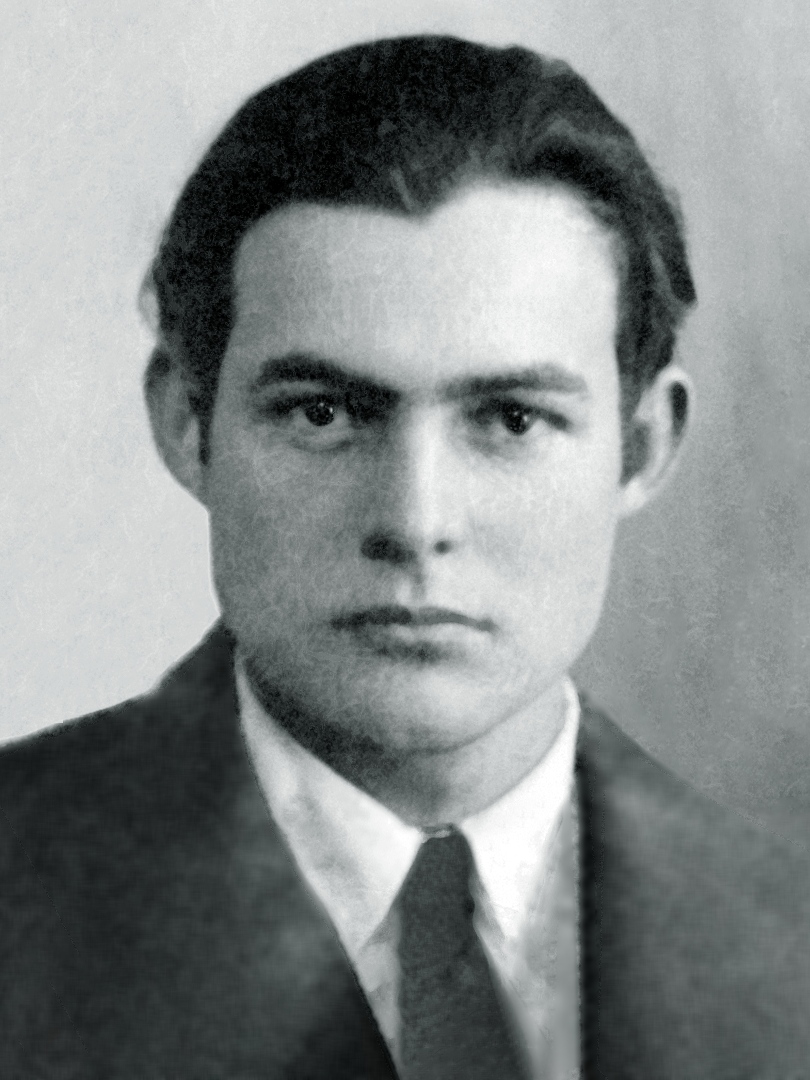
There is a contradiction at the centre of Ernest Hemingway. He wrote that you cannot get away from yourself by moving from one place to another, yet he never sat still. Paris, Pamplona, Madrid, Key West, Havana, the Serengeti, Idaho. The man who diagnosed travel’s limits also kept testing them, decade after decade, until the testing was the work itself.
This page is the working bio: who he was, what he actually wrote about travel, the books worth reading before your next trip, and the lines from his work that still hold up. We cite from primary editions. Where attribution is contested, we say so.
Early Life and Roots
Ernest Miller Hemingway was born in Oak Park, Illinois on 21 July 1899, to a doctor father, Clarence, and a musician mother, Grace. Summers were spent at the family cabin on Walloon Lake in northern Michigan, fishing, shooting, and walking the woods. That landscape became the Nick Adams stories and seeded a lifelong instinct: when a place mattered, return to it; when it stopped mattering, leave.
He skipped college. After a stint as a cub reporter at the Kansas City Star, where he absorbed the paper’s famous style sheet (short sentences, vigorous English, no superlatives), he sailed to Europe in 1918 as a Red Cross ambulance driver. He was 18. Two months in, an Austrian mortar shell wounded him at Fossalta di Piave. He spent the rest of the war recovering in a Milan hospital, where he fell for the nurse Agnes von Kurowsky. The wound, the hospital, and the love affair are the bones of A Farewell to Arms.
Career Milestones and Travel Writing
The Hemingway story most travellers care about begins in Paris. He arrived in December 1921 with his first wife Hadley Richardson, on a roving correspondent contract from the Toronto Star. The Star sent him to cover the Greco-Turkish War, the Genoa Economic Conference, the Lausanne Peace Conference, and skiing in Schruns. Between assignments, he wrote at the Closerie des Lilas, drank at the Dingo Bar, and learned to box from Ezra Pound. Gertrude Stein called his group a lost generation. The name stuck.
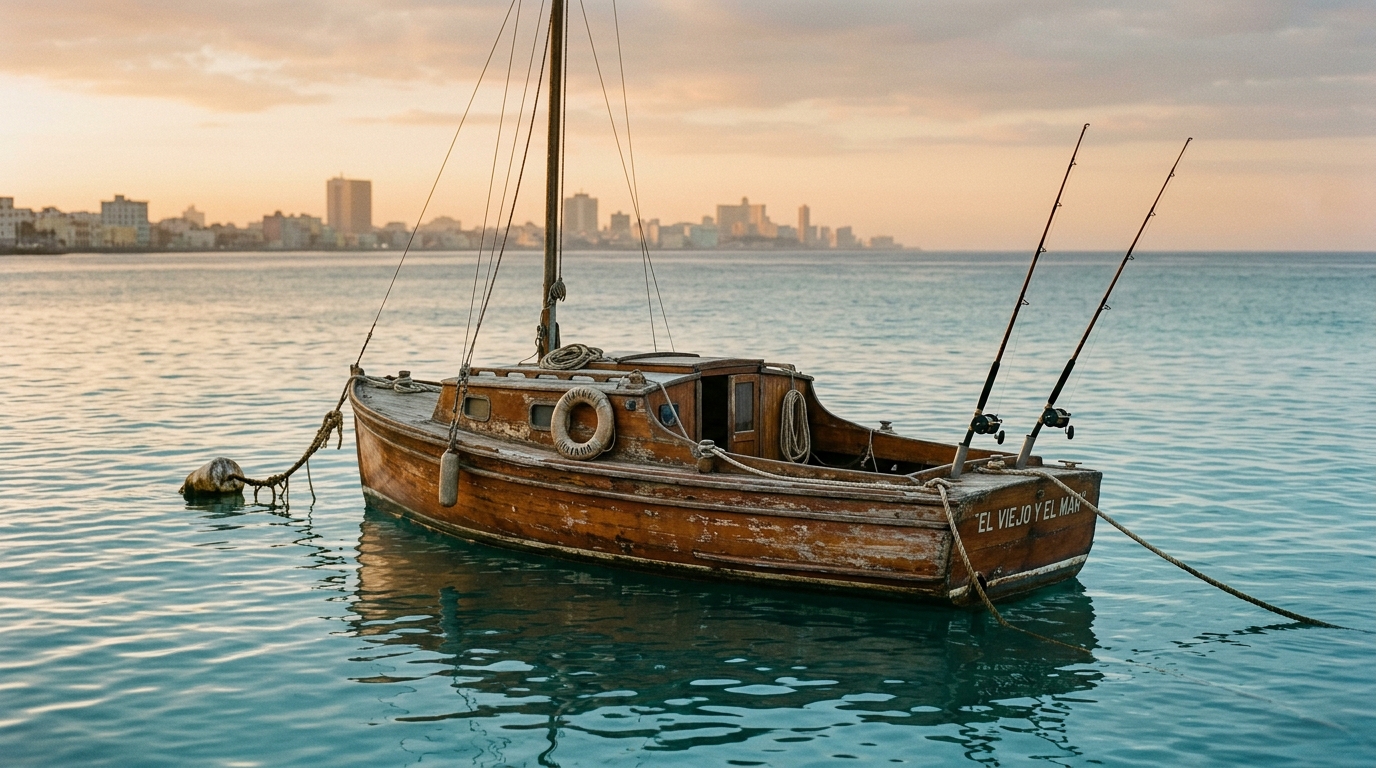
In July 1923 he made his first trip to Pamplona for the Festival of San Fermin. Bullfighting became an obsession that produced both The Sun Also Rises (1926) and the nonfiction Death in the Afternoon (1932). He went on safari in East Africa with his second wife Pauline Pfeiffer in late 1933, and again with his fourth wife Mary Welsh in 1953. Spain at war pulled him back in 1937 as a correspondent, the experience that became For Whom the Bell Tolls. Cuba claimed him from 1939 to 1960: 22 years at the Finca Vigia outside Havana, marlin fishing in the Gulf Stream on the Pilar, and the book that won him the 1953 Pulitzer and the 1954 Nobel, The Old Man and the Sea. He moved to Ketchum, Idaho in 1959 and died there in July 1961.
Ernest Hemingway’s Best Books for Travellers
1. A Moveable Feast
Best for: The single best gateway into Hemingway's travel sensibility
Hemingway’s Paris memoir, written from his 1920s notebooks and published posthumously in 1964. Short, late, and warm in a way most of his other books refuse to be. Read it before any trip to France or any return to a city you once lived in.
Check Price on Amazon →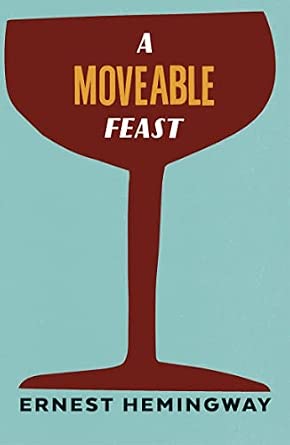
2. The Sun Also Rises
Best for: Readers who want the novel that defined the Lost Generation
Paris expats run with the bulls in Pamplona. The novel that taught a generation how to write about wandering, and the source of his hardest travel line: you can’t get away from yourself by moving from one place to another.
Check Price on Amazon →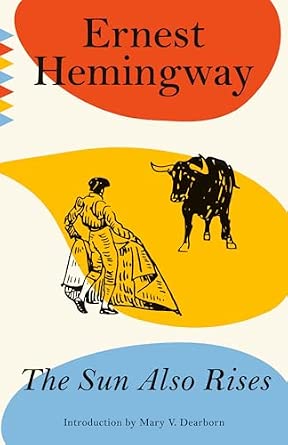
3. For Whom the Bell Tolls
Best for: Readers heading to Spain
Three days in the Spanish mountains during the Civil War. Travel writing where the stakes are total, born of Hemingway’s 1937 correspondent work.
Check Price on Amazon →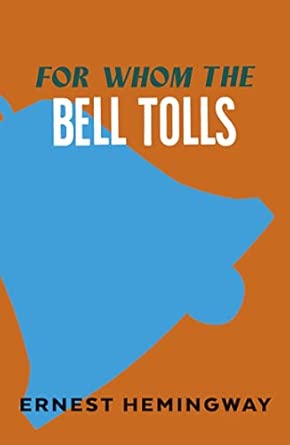
4. Green Hills of Africa
Best for: Readers drawn to East Africa
Hemingway’s 1933 safari, in his own words. The first major book to treat the safari as a thinking experience, not a trophy hunt.
Check Price on Amazon →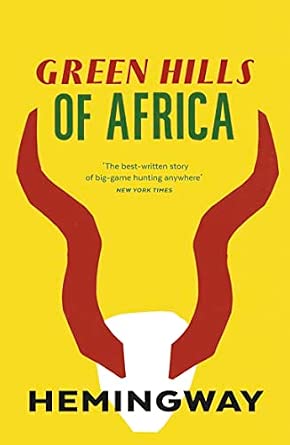
5. Death in the Afternoon
Best for: Anyone heading to Spain who wants to watch with intent
A field manual for bullfighting, but really a primer on watching with intent. Indispensable if Spain is on your list.
Check Price on Amazon →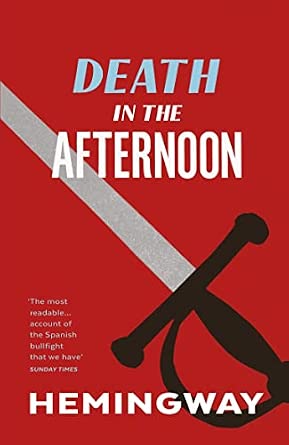
6. Ernest Hemingway Collection (6-Book Set)
Best for: Readers who want the travel-relevant canon in one box
For Whom the Bell Tolls, The Snows of Kilimanjaro, The Old Man and the Sea, A Farewell to Arms, Green Hills of Africa, and A Moveable Feast. The whole travel-relevant canon in one paperback box set.
Check Price on Amazon →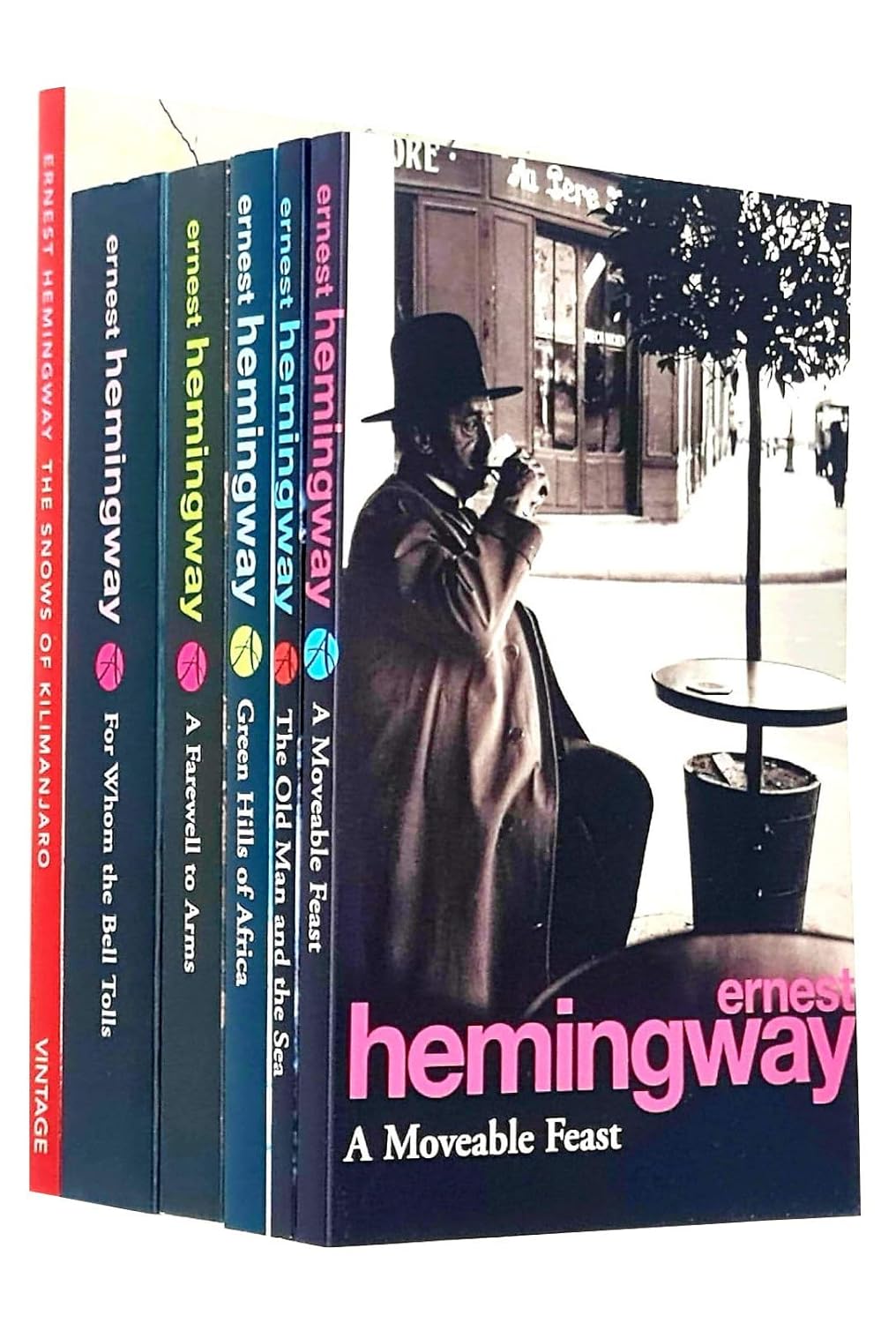
Hemingway’s Travel Philosophy in His Own Words
Ernest Hemingway travel quotes and writing turns on three ideas. First, that movement is not escape. Second, that what you see depends on what you have already done. Third, that the place is always doing something to you whether you notice or not. He says it most plainly in The Sun Also Rises, when Jake Barnes tries to settle the question for his friend Robert Cohn:
Listen, Robert, going to another country doesn't make any difference. I've tried all that. You can't get away from yourself by moving from one place to another.
— Ernest Hemingway The Sun Also Rises (1926), Book II Verified primary source: Scribner / Vintage Classics editions
Twenty-five years later, in the Paris notebooks that became A Moveable Feast, he wrote the line about love and travel that has outrun every other thing he said about moving. It is usually quoted in the cleaner form ‘never go on trips with anyone you do not love’; the published 1964 text reads:
Never to go on trips with anyone you do not love.
— Ernest Hemingway A Moveable Feast (1964, posthumous) Recounted from the period 1921-1926. The most-cited Hemingway travel line.
And the line that has been so widely quoted it is sometimes mistakenly attributed to other writers, ‘It is good to have an end to journey toward; but it is the journey that matters, in the end,’ is worth a flag: it is widely circulated, but its primary-source location in his published work is contested. Readers who want the verbatim Hemingway should start with the two quotes above.
Memorable Hemingway Travel Quotes by Theme
On Paris and A Moveable Feast
- If you are lucky enough to have lived in Paris as a young man, then wherever you go for the rest of your life it stays with you, for Paris is a moveable feast. A Moveable Feast, epigraph
- There is never any ending to Paris and the memory of each person who has lived in it differs from that of any other. A Moveable Feast, final chapter
- We ate well and cheaply and drank well and cheaply and slept well and warm together and loved each other. A Moveable Feast
On Self and Place
- You can’t get away from yourself by moving from one place to another. The Sun Also Rises, Book II
- Nobody ever lives their life all the way up except bullfighters. The Sun Also Rises, Book II
On Spain, Bullfighting, and the Discipline of Watching
- In modern life we are often removed from contact with death. Bullfighting is the only art in which the artist is in danger of death. Death in the Afternoon, Chapter 9
- Contested or attributed, listed with a caveat: ‘It is good to have an end to journey toward; but it is the journey that matters, in the end’ and ‘Never confuse movement with action’ are widely circulated but their primary-source locations are contested.
Other Voices in Adventure and Wandering
If Hemingway’s wandering speaks to you, these adjacent voices belong on the same shelf:
Frequently Asked Questions about Ernest Hemingway
Who was Ernest Hemingway and what made him famous?
Ernest Hemingway (1899-1961) was an American novelist, short-story writer and journalist whose stripped-down prose reshaped 20th-century English literature. He won the Pulitzer Prize in 1953 for The Old Man and the Sea and the Nobel Prize in Literature in 1954. His travel writing across Paris, Spain, Cuba and East Africa shaped how generations of travellers thought about place, companionship and self.
What is Hemingway's most famous travel quote?
Never go on trips with anyone you do not love, from the posthumous A Moveable Feast (1964). It is the line cited most across travel writing and Google’s AI Overview. The cleaner Internet phrasing trims Hemingway’s original: Never to go on trips with anyone you do not love.
What did Hemingway say about travel?
His most enduring rule is never go on trips with anyone you do not love. His harder-to-hear point, from The Sun Also Rises, is that you can’t get away from yourself by moving from one place to another. Together: travel is for testing relationships, not escaping yourself.
Where did Hemingway live and travel?
Oak Park Illinois (born 1899), Michigan summers, Italy in World War I, Paris 1921 to 1928, Key West 1928 to 1939, Spain repeatedly through the 1920s and 1930s, East Africa in 1933 and 1953, Cuba from 1939 to 1960 at the Finca Vigia outside Havana, and Ketchum Idaho from 1959 to 1961.
Which Hemingway book should I read first for travel writing?
A Moveable Feast. It is short, late, and warm in a way most of his other books refuse to be, and it is the cleanest entry point into the Paris years that shaped everything else. Read it before any trip to France or any return to a city you once lived in.
Did Hemingway write a memoir?
Yes. A Moveable Feast is his Paris memoir, assembled from notebooks he rediscovered at the Ritz in 1956 and published in 1964, three years after his death. Green Hills of Africa (1935) and Death in the Afternoon (1932) are also book-length nonfiction, closer to extended travel essays than conventional memoirs.
Hemingway’s Lasting Legacy for Travellers
Hemingway’s gift to travellers is uncomfortable. He does not promise that the road will heal you. He promises that the road will tell the truth on you. The Pamplona running, the African plain, the Paris notebook: each is a test, and what you bring back is not the place but the version of yourself the place exposed. Start with A Moveable Feast.
More Adventure and Exploration Quote Collections
If you came for Hemingway, you will find the rest of the conversation here: