Best Nigella Lawson Cookbooks, Ranked: Where to Start and Why
Eleven cookbooks in twenty-two years, and a wall of them on Amazon. This is the honest ranking: which Nigella Lawson cookbook to buy first, which one suits the cook you are, and which one belongs on the shelf of anyone who treats dinner as a small act of travel.
Search for a Nigella Lawson cookbook and you meet a wall: eleven major books across twenty-two years, every one of them still in print, every one with its devoted corner of the internet. Somewhere in that wall is the right first book for you, and it is probably not the one the bestseller chart is pushing this week. We have ranked all of them below, honestly, including the one we would skip.
A quick word on why a travel quotes site is ranking cookbooks. Nigella Lawson has no real travel quotes, something we found out the honest way when we sourced her lines for our author library. What she has instead is the thing most travel quotes are reaching for: a whole philosophy of pleasure, appetite and paying attention, which is also what the best food travel writing does. Her books are how that philosophy gets into your kitchen.
🏆 TOP PICK
How to Eat (1998)
Best for: One Nigella book for life
The foundational classic. Read it in a chair, then cook from it for twenty years.
See it on Amazon →✨ EDITOR'S CHOICE
Kitchen (2010)
Best for: The everyday workhorse
Over 190 recipes that assume a real household and a real Tuesday night.
See it on Amazon →💰 BEST VALUE
Nigella Express (2007)
Best for: Fast weeknights, small budget
130 quick recipes, and reliably the cheapest way into her shelf.
See it on Amazon →How this ranking was built
No single chart settles a question like this, so we triangulated. We weighed long-run reader consensus on Goodreads, the publisher’s own map of the shelf in Penguin’s guide to her cookbooks, years of recommendation threads among home cooks, and the least fashionable signal of all: which books people report still cooking from a decade after buying them. Ranked lists reward recency; kitchens do not. The order below is for the cook deciding what to buy first, not for the collector.
The ranking, from the one to buy first
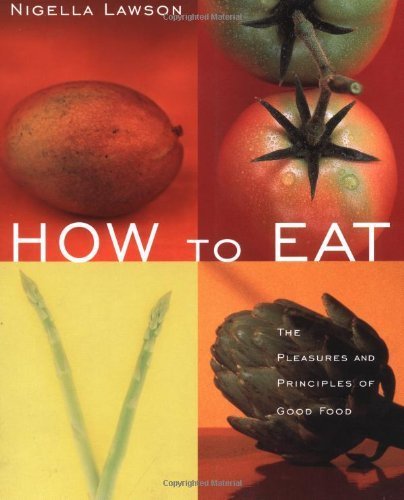
1) How to Eat (1998)
1. How to Eat (1998)
Best for: The cook who wants one Nigella book for life, and likes to read as much as to cook.
Her first book, and still the answer when someone asks which Nigella Lawson cookbook actually matters. It sold 300,000 copies within months of publication and turned a food writer into a household name (wikipedia.org). The recipes sit inside prose, the way a friend talks you through dinner rather than barking steps at you, and the underlying idea has not aged a day: cooking is part of living, not a performance for guests. If you buy one book on this page, buy this one and read it in a chair first.
Pros
- Reads as beautifully as it cooks
- The foundation every later book builds on
- Quietly teaches technique without ever lecturing
Cons
- Few photographs by modern standards
- Recipes woven into paragraphs, so it is slower to cook from on a rushed weeknight
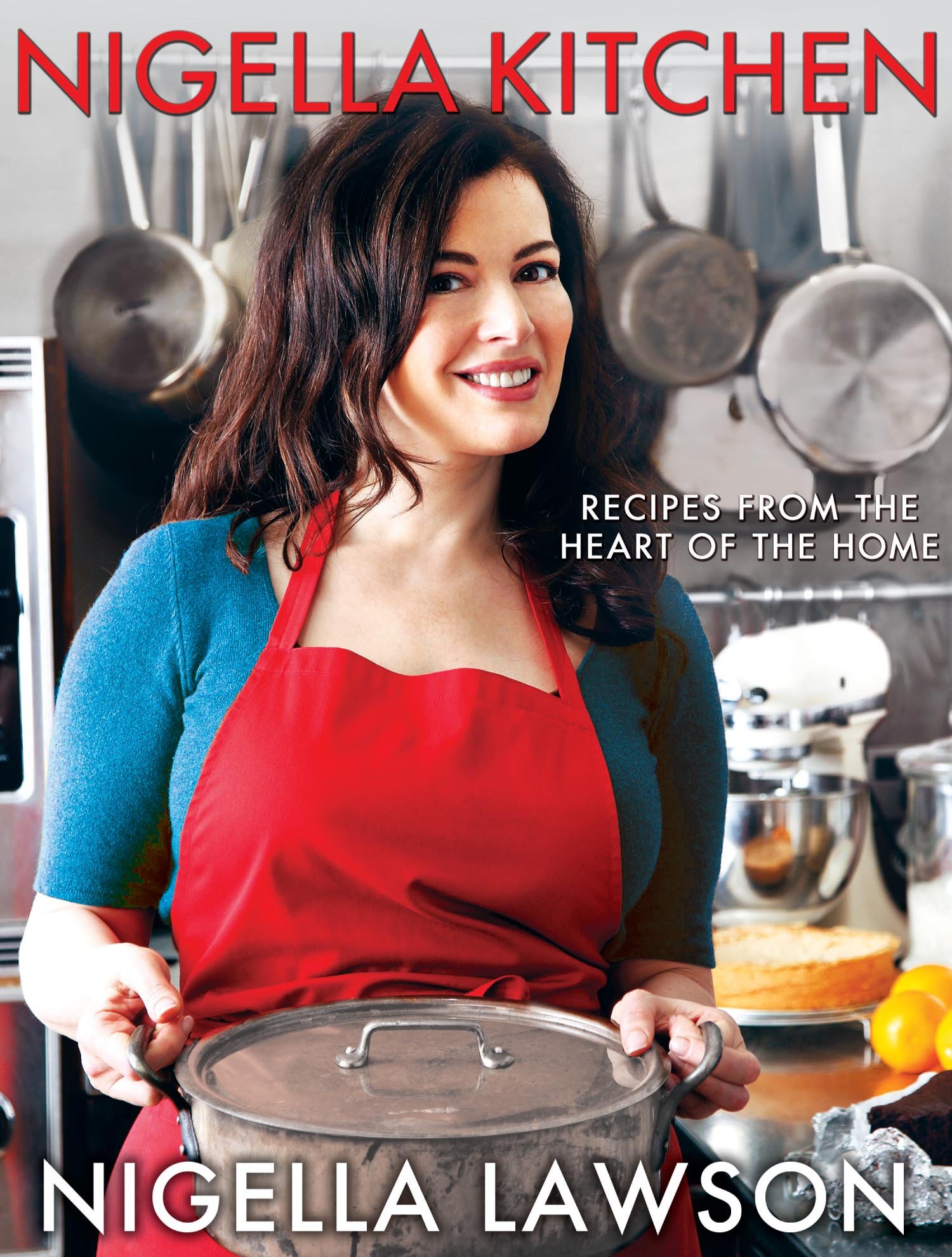
2) Kitchen (2010)
2. Kitchen (2010)
Best for: The everyday engine: one big book that covers rushed Tuesdays and slow Sundays alike.
The biggest and most useful book she has written. Kitchen runs from express-style suppers to long, lazy weekend cooking, and it is the volume readers name most often when asked what they still cook from years later. Where How to Eat gives you the philosophy, Kitchen gives you the repertoire: over 190 recipes that assume a real household, real leftovers, and a real Tuesday night. If the top pick is the book to read, this is the book to live with.
Pros
- Huge range for one volume
- Written for actual weeknights, not photo shoots
- The most re-cooked of her later books by reader consensus
Cons
- Physically heavy, not a bedside book
- Some ground overlaps with Nigella Express
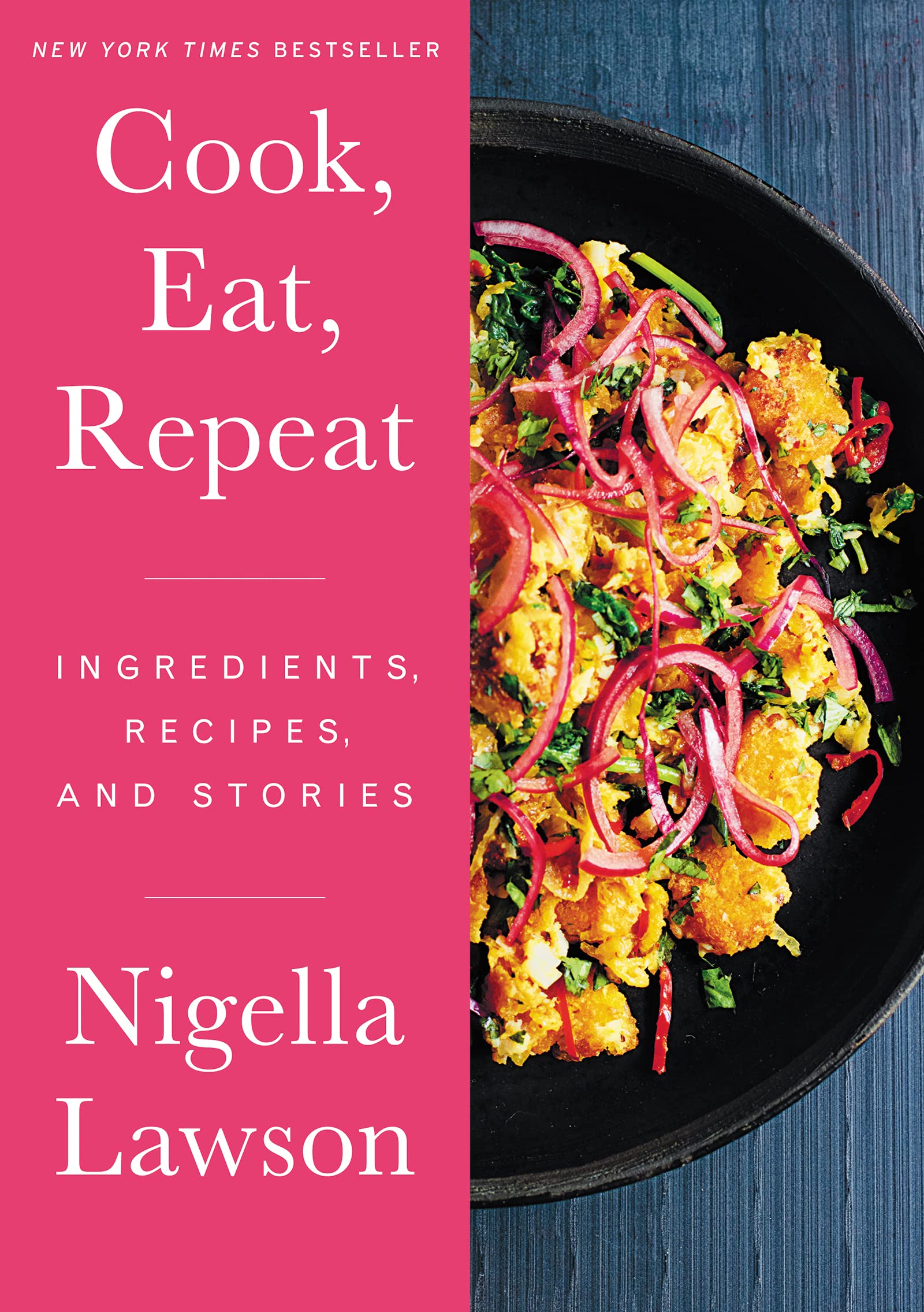
3) Cook, Eat, Repeat (2020)
3. Cook, Eat, Repeat (2020)
Best for: The reader-cook who wants her most personal, current book.
Her most recent full cookbook and the most essay-led thing she has written since How to Eat. Chapters like the much-loved defence of brown food read as personal writing with recipes attached, which is exactly why it suits some cooks and frustrates others (lifehacker.com). It is the book that shows where her cooking has landed: fewer crowd scenes, more comfort, more honesty about appetite. Start here if you want the Nigella of now rather than the one from the television years.
Pros
- Her best food writing in two decades
- Recipes built for comfort rather than spectacle
- Feels current rather than archival
Cons
- Essay-first format slows you down if you just want dinner
- Fewer beginner basics than Kitchen
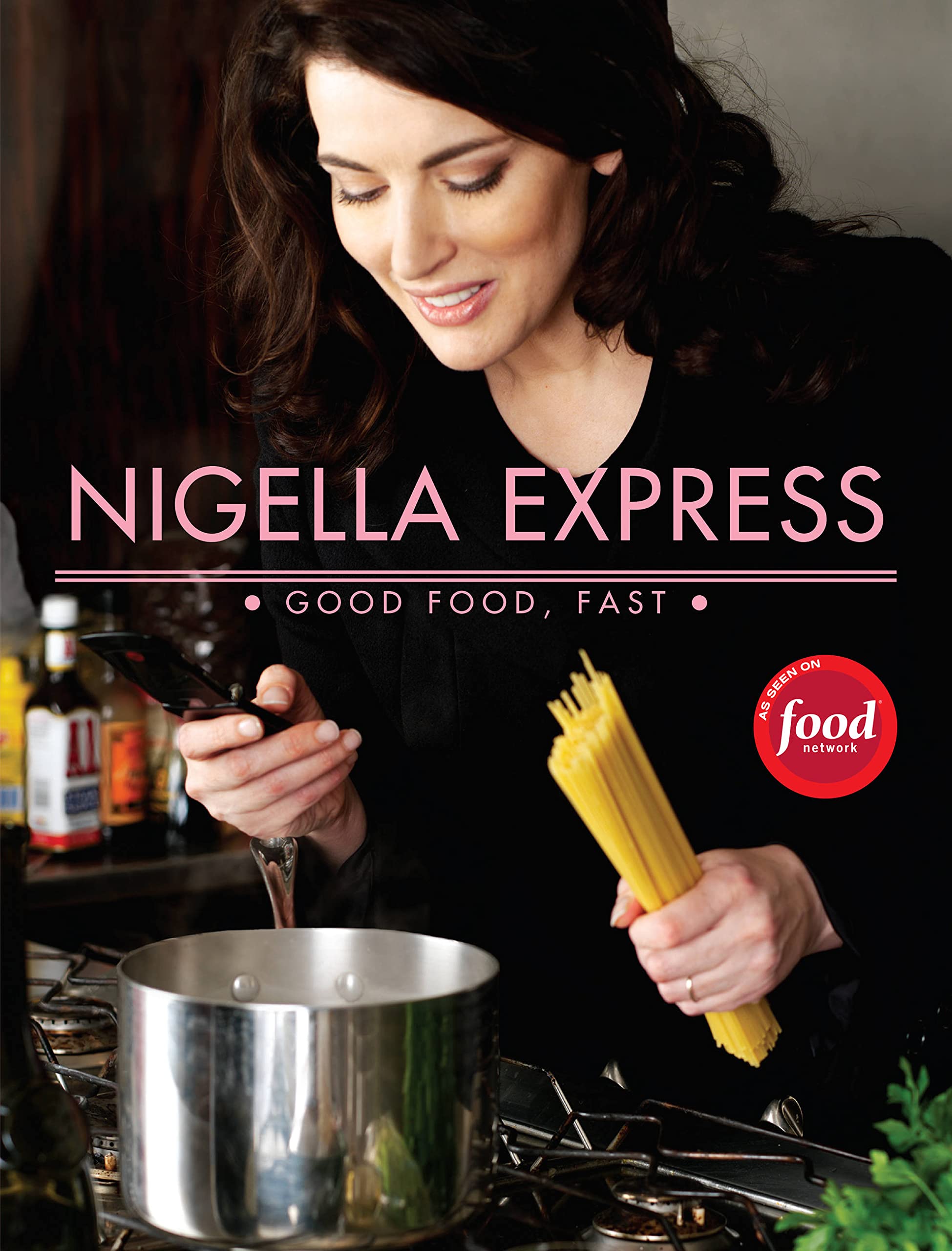
4) Nigella Express (2007)
4. Nigella Express (2007)
Best for: Weeknight cooks who want speed without giving up on flavour.
130 recipes built around one promise: good food, fast. This is the book for the season of life where dinner has a 30-minute window and zero patience for ceremony. It leans on shortcuts and store-cupboard moves, which purists grumble about and tired people quietly bless. Second-hand copies are regularly the cheapest way into her shelf, which makes it the value pick as well as the fast one.
Pros
- Genuinely quick, not magazine-quick
- Easily the cheapest entry point to her shelf
- Shortcuts that respect flavour
Cons
- Leans on convenience ingredients in places
- Photography and styling show their 2007 vintage
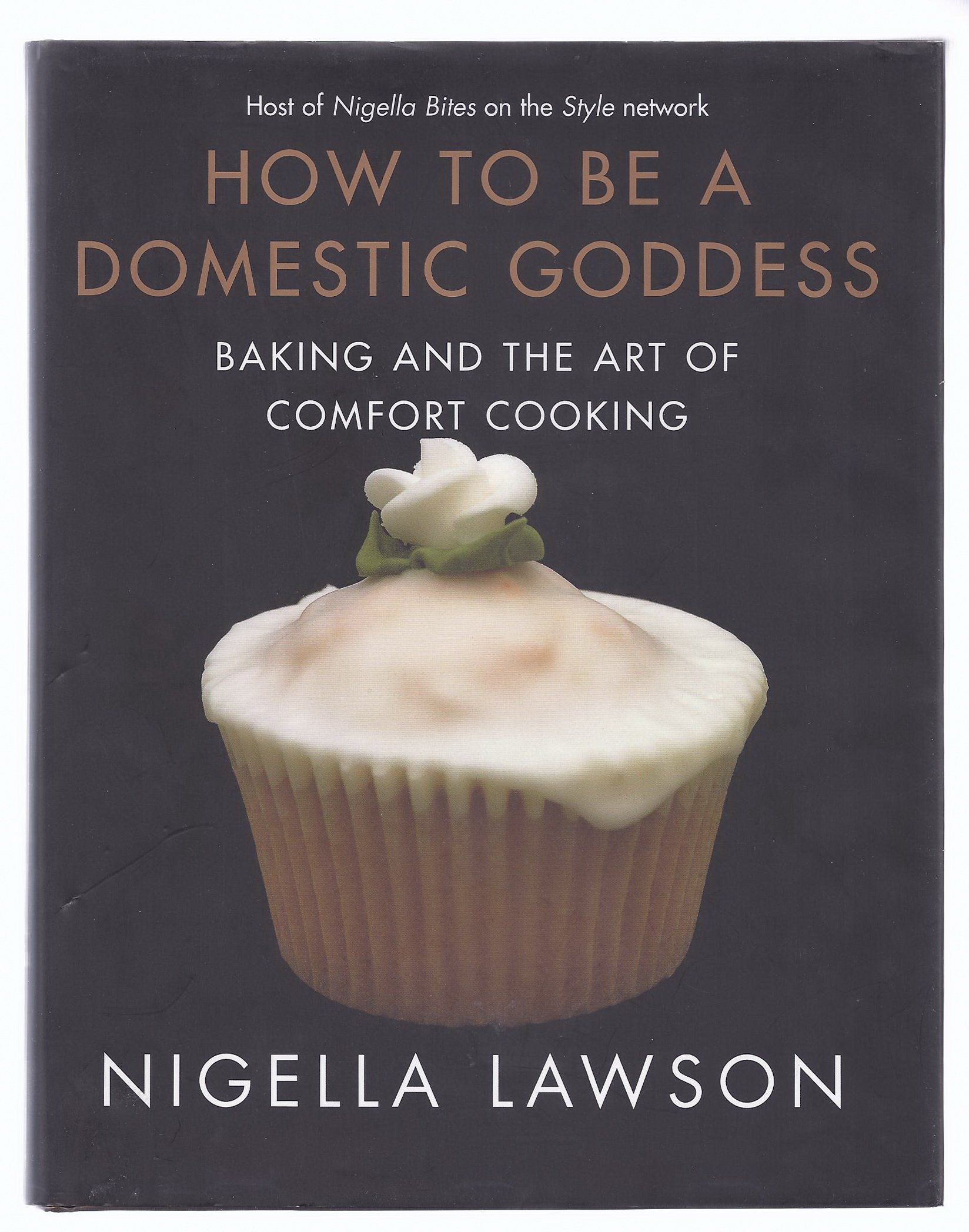
5) How to Be a Domestic Goddess (2000)
5. How to Be a Domestic Goddess (2000)
Best for: Bakers, and anyone who thinks in cakes rather than dinners.
The baking book, and the one that won her the British Book Awards Author of the Year (penguin.com.au). The title was widely misread as a retreat to the 1950s; the book itself is the opposite, an argument that baking is comfort you make with your own hands. The clementine cake alone has earned its keep in thousands of kitchens. If your idea of cooking starts with butter and sugar, this is your first Nigella.
Pros
- The strongest single-subject book she has written
- Recipes that became modern classics
- Baking framed as pleasure, not precision
Cons
- Baking only, no dinners here
- UK-first measurements can need translation in places
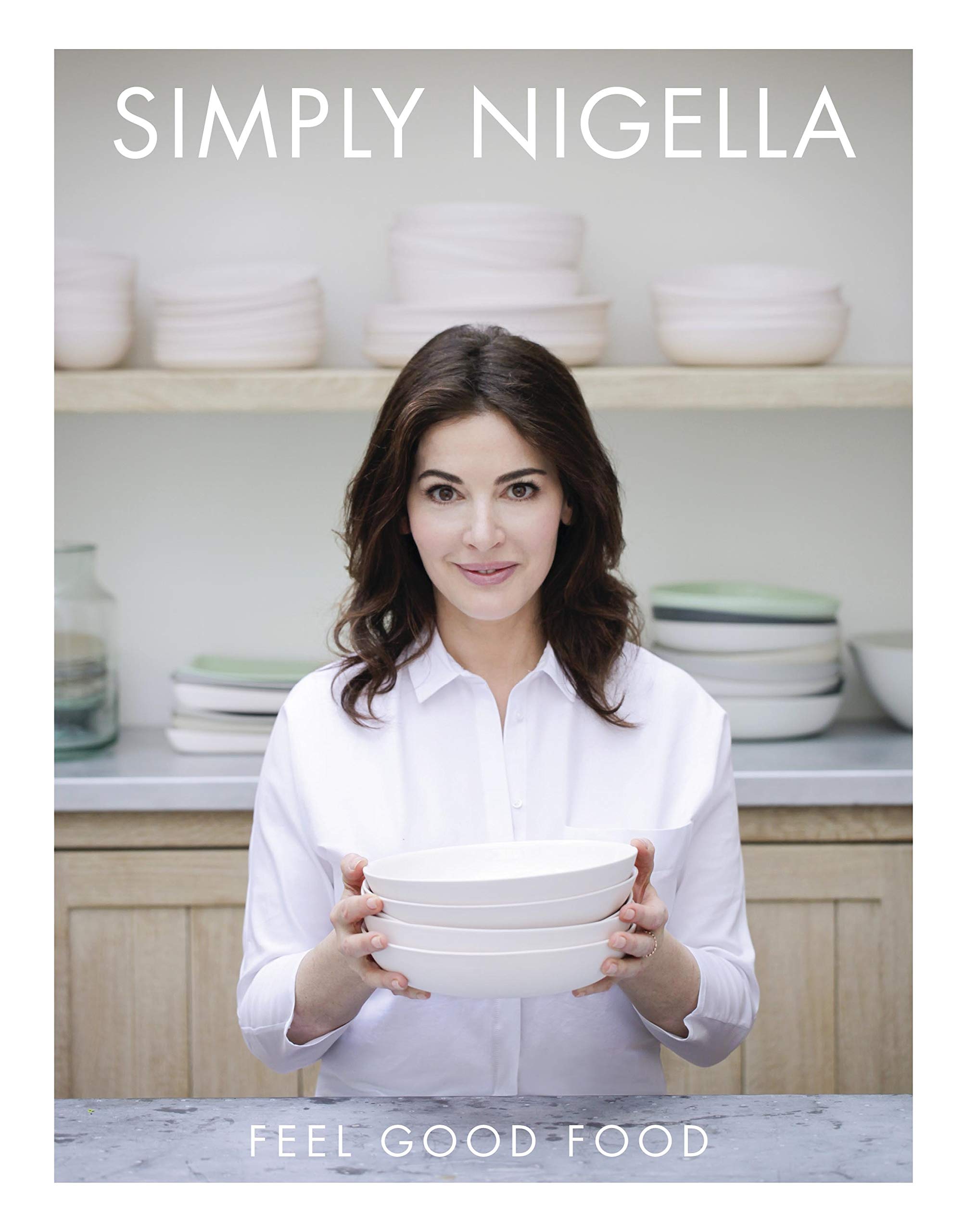
6) Simply Nigella (2015)
6. Simply Nigella (2015)
Best for: The cook who wants her calmer, lighter register.
Written in a quieter key: bowl food, breathing-out food, the kind of cooking you do for yourself on a Sunday evening rather than for eight guests on a Saturday. It divides readers precisely because it is gentler than the books that made her name, but if your kitchen is a place to decompress rather than entertain, this is the one that matches the mood.
Pros
- Her most soothing, low-stakes book
- Suits solo cooks and small households
- Lighter food without diet-book energy
Cons
- Less indulgent than the classic Nigella register
- Fewer showstoppers for occasions
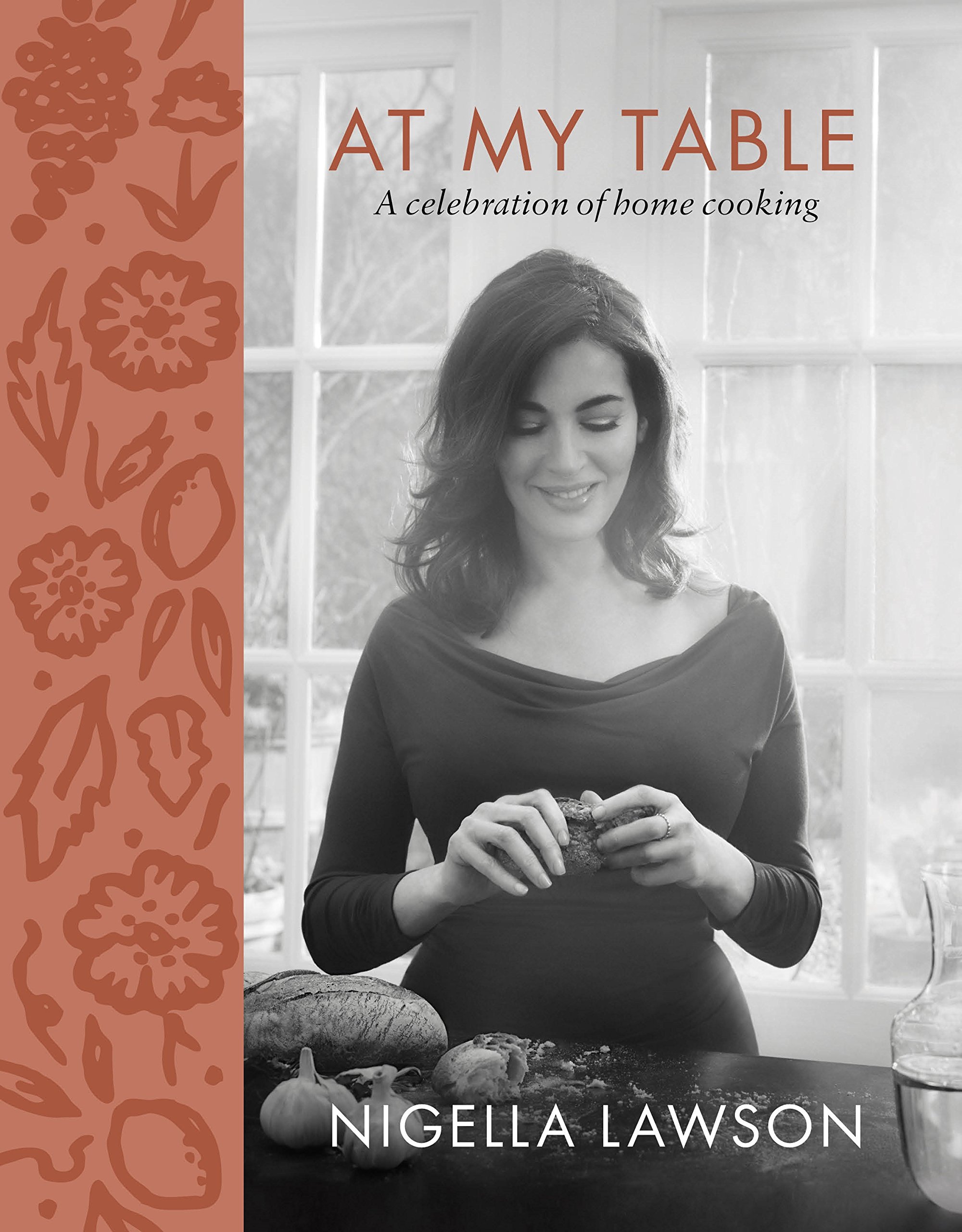
7) At My Table (2017)
7. At My Table (2017)
Best for: Home entertainers who want food that welcomes rather than performs.
A celebration of home cooking in the most literal sense: food for the people who actually sit at your table. It is the most consistently liked of her later books among readers, full of recipes that travel straight from the page into rotation, like the chicken traybakes and the emergency brownies. There is no grand thesis here, just a very reliable book, and there are weeks when that is exactly the right thing.
Pros
- High hit-rate of keeper recipes
- Relaxed entertaining without performance
- A natural companion to Kitchen
Cons
- No single theme to hang it on
- Some ingredients read UK-first
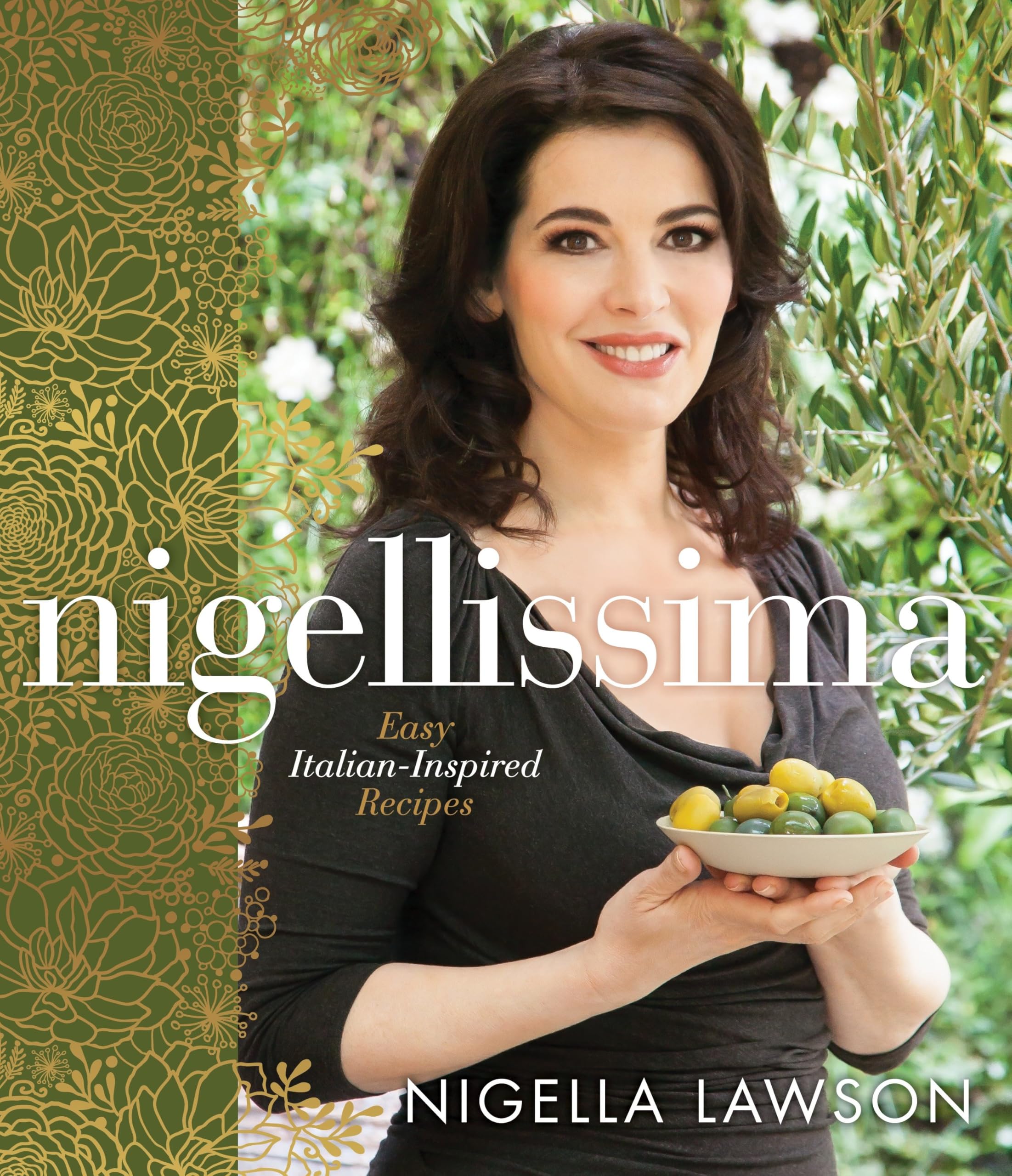
8) Nigellissima (2012)
8. Nigellissima (2012)
Best for: The armchair traveller: Italy on a weeknight, no flight required.
Born of the teenage stretch she spent working in Florence, this is her love letter to Italian food, translated for real kitchens outside Italy. Purists point out, fairly, that it is Italian-inspired rather than Italian, and that is precisely the point: it is the book for cooking your way toward a place you are not in yet. Of everything on this page, it is the one that best turns dinner into a small act of travel.
Pros
- The strongest travel thread on her shelf
- Fast, unfussy takes on Italian comfort food
- One-pan pasta ideas ahead of their moment
Cons
- Not a book of authentic regional Italian cooking
- Slimmer than Kitchen or At My Table
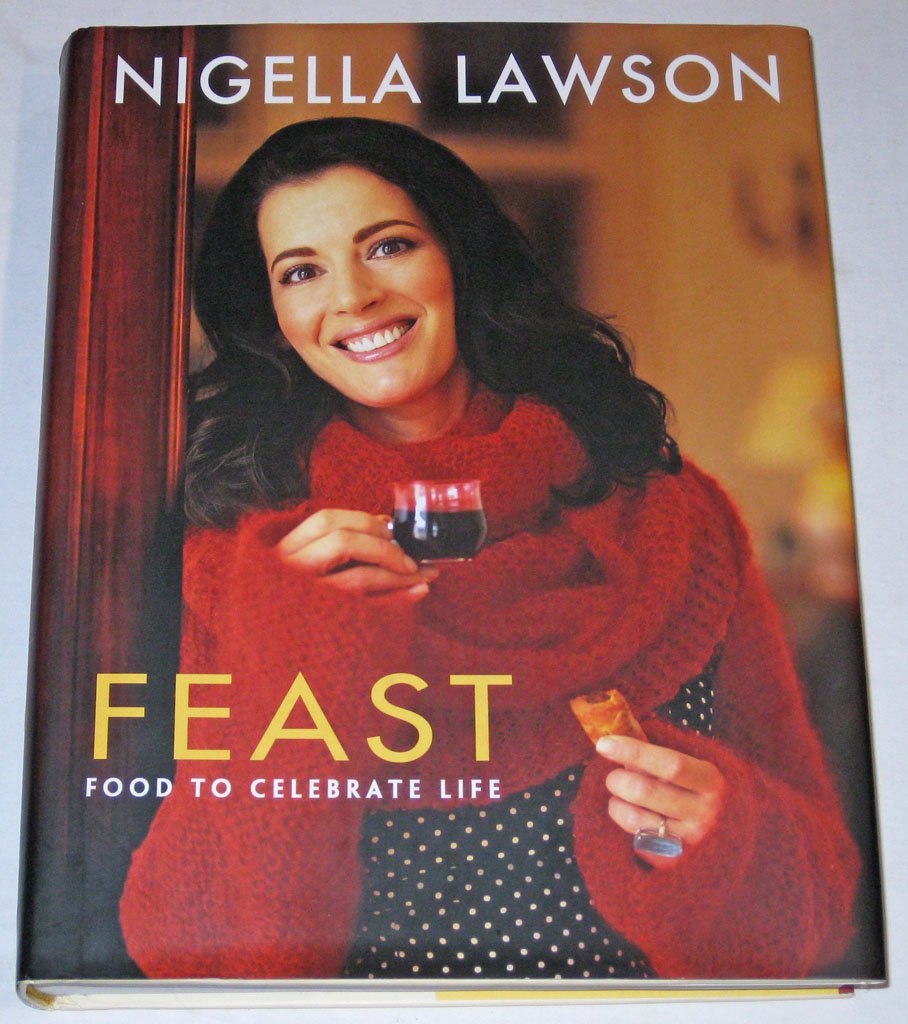
9) Feast (2004)
9. Feast (2004)
Best for: Occasion cooks: holidays, gatherings, and the big emotional meals.
Food for celebration and for consolation, from Christmas through birthdays to the funeral baked meats. It is the book that understands meals are how families mark time, and its Christmas chapters did the job so well they later grew into a book of their own. Buy it for the occasions; keep it for the chocolate cake chapter.
Pros
- The best occasion book she has written
- Recipes scaled for a full table
- Cooks across the emotional calendar, not just holidays
Cons
- Big-batch recipes need scaling down for small households
- Overlaps with Nigella Christmas if you own that
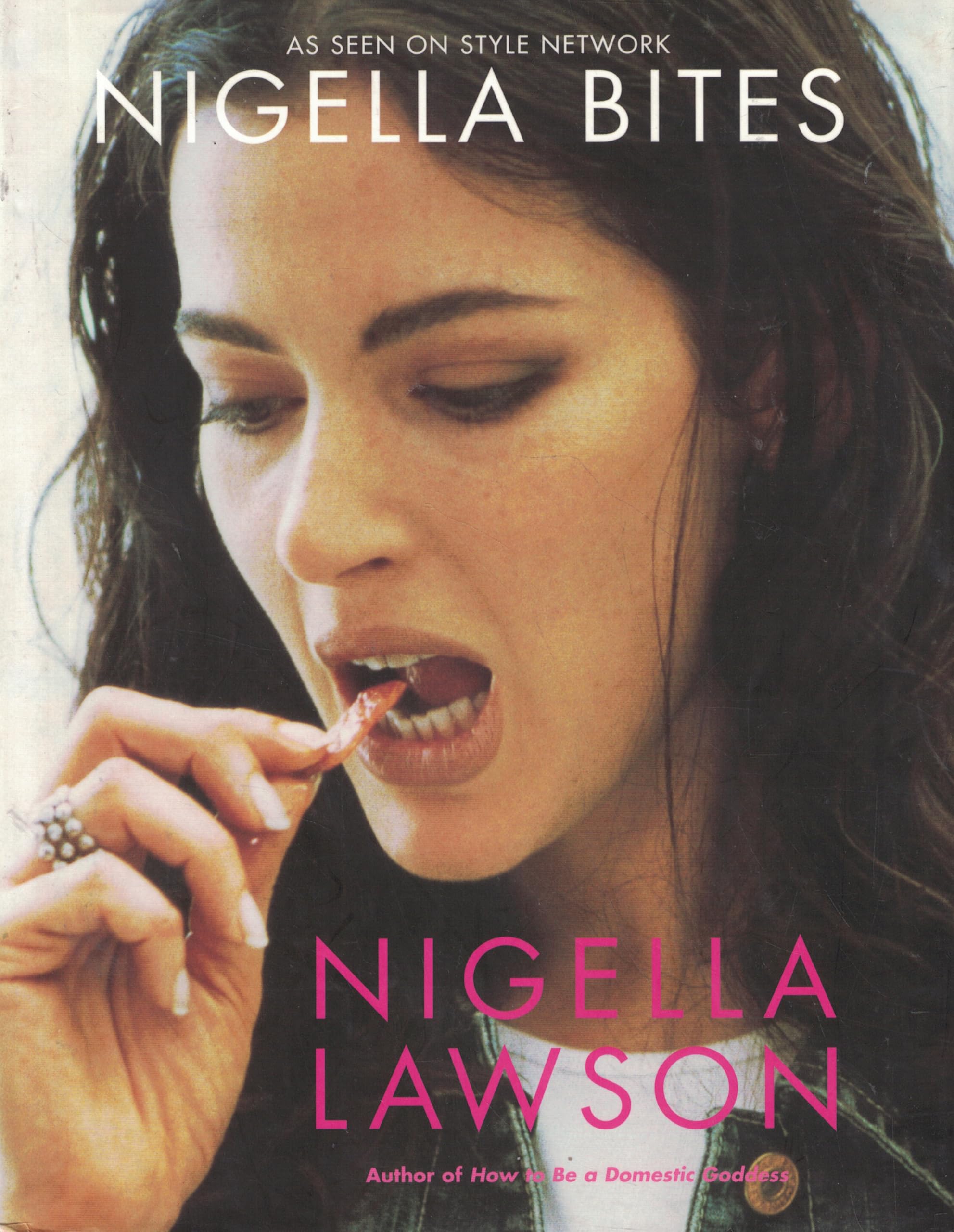
10) Nigella Bites (2001)
10. Nigella Bites (2001)
Best for: Completists and comfort-food loyalists from the TV years.
The book of the series that made her a fixture, and the source of a surprising number of the recipes people still associate with her. Time has moved some of it along, and Kitchen now covers much of the same ground with more range, but as a snapshot of why the food world fell for Nigella in the first place, it still earns its shelf space.
Pros
- Comfort classics from the era that built her name
- Short, confident, very cookable
- Cheap to pick up second-hand
Cons
- Superseded in range by Kitchen
- Dated in places, in styling and in pantry
Which Nigella cookbook for which cook
If you mostly want dinner on the table, start with Kitchen and add Nigella Express when the weeks get loud. If you read cookbooks in bed, How to Eat first, then Cook, Eat, Repeat. Bakers already know they are here for How to Be a Domestic Goddess. Hosting more than cooking? At My Table, with Feast behind it for the big occasions.
And if you are the kind of cook who reads our food travel quotes page and feels a flight itch, Nigellissima is your book: Italy at weeknight speed, no boarding pass involved.
Notes on the ranking
The top of this list holds steady across every signal we checked. How to Eat’s standing is reinforced by Penguin’s own guide, which frames the whole shelf as descending from it, and by Goodreads, where its ratings hold up against books written two decades later. Kitchen and At My Table lead the later era in reader consensus, and Cook, Eat, Repeat is the critics’ favourite of the recent books, with the caveat that its essay-led format splits the room. The middle order is a judgment call between registers rather than a gap in quality: Express, Domestic Goddess and Simply Nigella each win outright for the cook they were written for.
Two honest omissions. Forever Summer (2002) cleared our verification checks but not the cut: it is a lovely book that has aged into a curiosity, and everything it does, later books do with more range. And Nigella Christmas (2008) is deliberately absent, not because it fails but because it is a seasonal special rather than a general cookbook; if December is your kitchen’s big month, add it without hesitation.
The travel thread: cooking your way somewhere else
There is a reason food memoirs and travel writing sit so close on the shelf. Cooking from a place is the nearest thing to being in it: the same logic that runs through Ruth Reichl’s food memoirs, where how a country tastes is how it is understood. Nigella’s version of that idea is domestic rather than airborne. She brings the trip into the kitchen, most literally in Nigellissima, and her most quoted line is not about travel at all. It is about what eating does to the world around you.
I am greedy. I eat under stress. When you are eating, the rest of the world is tuned out. And when you tune back in you feel guilty about having been greedy and the rest of the world is still there, so you have to carry on eating!
— Nigella Lawson Interview with Nigel Farndale, The Daily Telegraph (14 May 2001) Sourced to a named newspaper interview, which is more than most of her viral lines can claim. The whole philosophy in miniature: eating as a way of tuning the world out.
That line, and the honest story of why she has no real travel quotes, lives on her page in our author library, where every quote is verified to a named source.
If you want a simple starter path
First: How to Eat, and read it before you cook from it. Then: Kitchen, which becomes the book your weeknights actually run on. Then: Nigellissima, for the first evening you catch yourself cooking toward a place instead of just cooking dinner.
All ten at a glance
The Nigella shelf, compared
| Cookbook | Year | Best for | Character |
|---|---|---|---|
| How to Eat | 1998 | One book for life | The prose-led classic |
| Kitchen | 2010 | Everyday cooking | The big workhorse |
| Cook, Eat, Repeat | 2020 | Reader-cooks | Essays with recipes |
| Nigella Express | 2007 | Fast weeknights | The value pick |
| How to Be a Domestic Goddess | 2000 | Baking | The single-subject star |
| Simply Nigella | 2015 | Calm, lighter cooking | The quiet one |
| At My Table | 2017 | Relaxed entertaining | The reliable one |
| Nigellissima | 2012 | Armchair travellers | Italy at home |
| Feast | 2004 | Occasions | The celebration book |
| Nigella Bites | 2001 | Comfort classics | The TV-era snapshot |
Frequently asked questions
What is Nigella Lawson’s best cookbook?
How to Eat (1998) is the consensus answer and ours: the book that made her name, still in print and still the one the food world points to. If your question is really which book you will cook from most, the answer shifts to Kitchen (2010).
Which Nigella Lawson cookbook should a beginner buy first?
Nigella Express (2007) or Kitchen (2010). Express keeps every recipe short and fast, and Kitchen quietly teaches you to cook without ever feeling like a lesson. How to Eat is the better read, but its recipes-inside-prose format is easier once you have some confidence.
What order were Nigella Lawson’s cookbooks published?
How to Eat (1998), How to Be a Domestic Goddess (2000), Nigella Bites (2001), Forever Summer (2002), Feast (2004), Nigella Express (2007), Nigella Christmas (2008), Kitchen (2010), Nigellissima (2012), Simply Nigella (2015), At My Table (2017), Cook, Eat, Repeat (2020).
Is Cook, Eat, Repeat worth buying?
Yes, if you enjoy reading about food as much as cooking it: it is her most personal book, essays first and recipes second. If you mainly want weeknight dinners, buy Kitchen instead and come back to this one later.
Which Nigella cookbook is best for Italian cooking?
Nigellissima (2012). It is Italian-inspired rather than strictly authentic, drawn from her time living in Florence, and it is the closest her shelf comes to cooking as a form of travel.
One shelf, honestly bought
You do not need eleven Nigella cookbooks. You need the one that matches the cook you are this year, and maybe the one that matches the cook you are becoming. Start with How to Eat, let Kitchen carry the weeknights, and keep Nigellissima for the evenings when dinner needs to feel like a departure. If a line from her books earns a place on your kitchen wall, check it against her verified quotes first. Worth sitting with before you buy: which book would you actually read, not just shelve?