
Hilaire Belloc: Travel Quotes from a Walking Pilgrim
Hilaire Belloc (1870 to 1953) was a Franco-English writer, poet and Member of Parliament who walked his way into literature. He is the walking pilgrim of The Path to Rome (1902), the man who set off on foot from Toul in France toward Rome and wrote the journey down as it happened. Belloc is heavily anthologised, so the web is thick with lines he never wrote. The genuinely sourced quotes are gathered here, each one kept attached to its book, year and page.
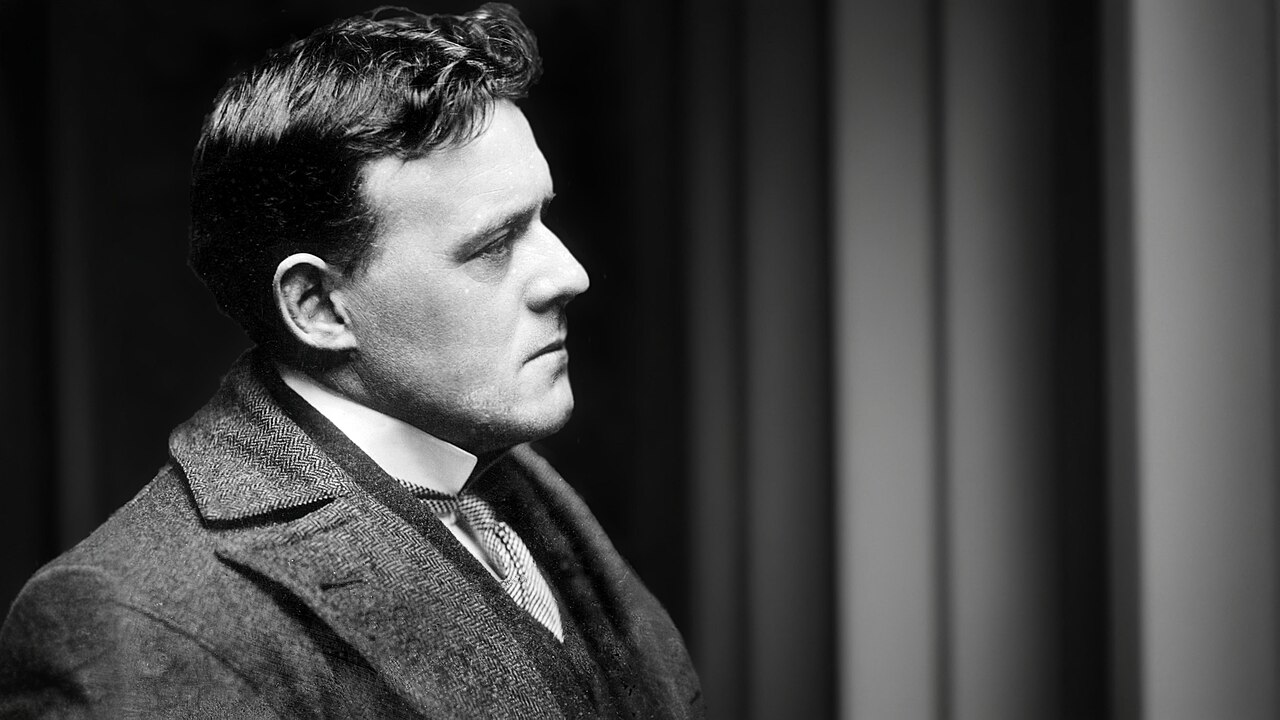
Search for Hilaire Belloc travel quotes and you quickly hit a problem: the internet is full of lines attributed to him that he almost certainly never wrote, most famously the neat little maxim that we wander for distraction but travel for fulfilment. This page does the opposite. It gathers Belloc’s genuine, primary-sourced travel lines, keeps each one tied to the book, year and page it came from, and is honest about the one famous line that has no Belloc source at all. First, a short walk through who he was, because the attribution only lands once you know the man behind The Path to Rome.
Who Hilaire Belloc Was (1870 to 1953): The Walking Pilgrim
Joseph Hilaire Pierre Rene Belloc was born near Paris on 27 July 1870 to a French father and an English mother. The family moved to England after his father died, and Belloc grew up between the two countries and two languages, a double belonging that runs through everything he wrote. He served briefly in the French artillery, then read history at Balliol College, Oxford, where his talk and his certainty made him unforgettable to a generation of students.
Belloc was astonishingly productive across a long life: poetry, essays, history, biography, comic verse for children and travel writing all poured out of him. He sat as a Liberal Member of Parliament from 1906 to 1910, and with his friend G K Chesterton he became half of the pairing the critics nicknamed the Chesterbelloc. He was a Catholic, a sailor, a tireless walker, and a man who believed a journey on foot was the truest way to know a country. He died in Surrey on 16 July 1953.
Why Belloc Is Worth Quoting on Travel: The Path to Rome, The Four Men and The Cruise of the Nona
Belloc earns his place on a travel quotes page on the strength of three books in particular. The Path to Rome (1902) is his masterpiece, the record of a pilgrimage he made on foot toward Rome, written with the mud still on it. The Four Men: A Farrago (1911) is a walking book of a different kind, a four-day tramp across his beloved Sussex that turns into a meditation on home, change and the permanent things. The Cruise of the Nona (1925) takes him to sea, sailing the coast of England and thinking aloud about providence, luck and the limits of human control.
Read Belloc as a traveller and the appeal is immediate. He writes about the road the way a walker actually experiences it, tired, hungry, exalted and bored by turns, and he is never solemn about it for long. He is also a writer who took the act of setting words down seriously, and some of his best lines are about the craft of writing the journey as much as the journey itself. The genuine quotes below are grouped by book so you can see exactly where each one lives.
From quiet homes and first beginning, out to the undiscovered ends, there's nothing worth the wear of winning, but laughter and the love of friends.
— Hilaire Belloc Dedicatory Ode, Verses (1910) The Belloc line every traveller should carry. Home is where you start, the undiscovered ends are where you go, and the only thing worth the journey is the company you keep along the way.
The Book to Start With: The Path to Rome
Belloc is best met on foot, in the book that made his name, and there is one clear title to recommend rather than the many later selections and anthologies.
1. The Path to Rome
Best for: Anyone who wants Belloc the walker in his own voice: the foot pilgrimage to Rome that made his name.
Belloc’s 1902 masterpiece, the account of his walk on pilgrimage from Toul in France toward Rome, written with the road still under his feet. It is funny, devout, footsore and digressive by turns, and it is the single best place to start with Belloc as a travel writer. Most of the genuinely sourced lines on this page live in this book.
Check Price on Amazon →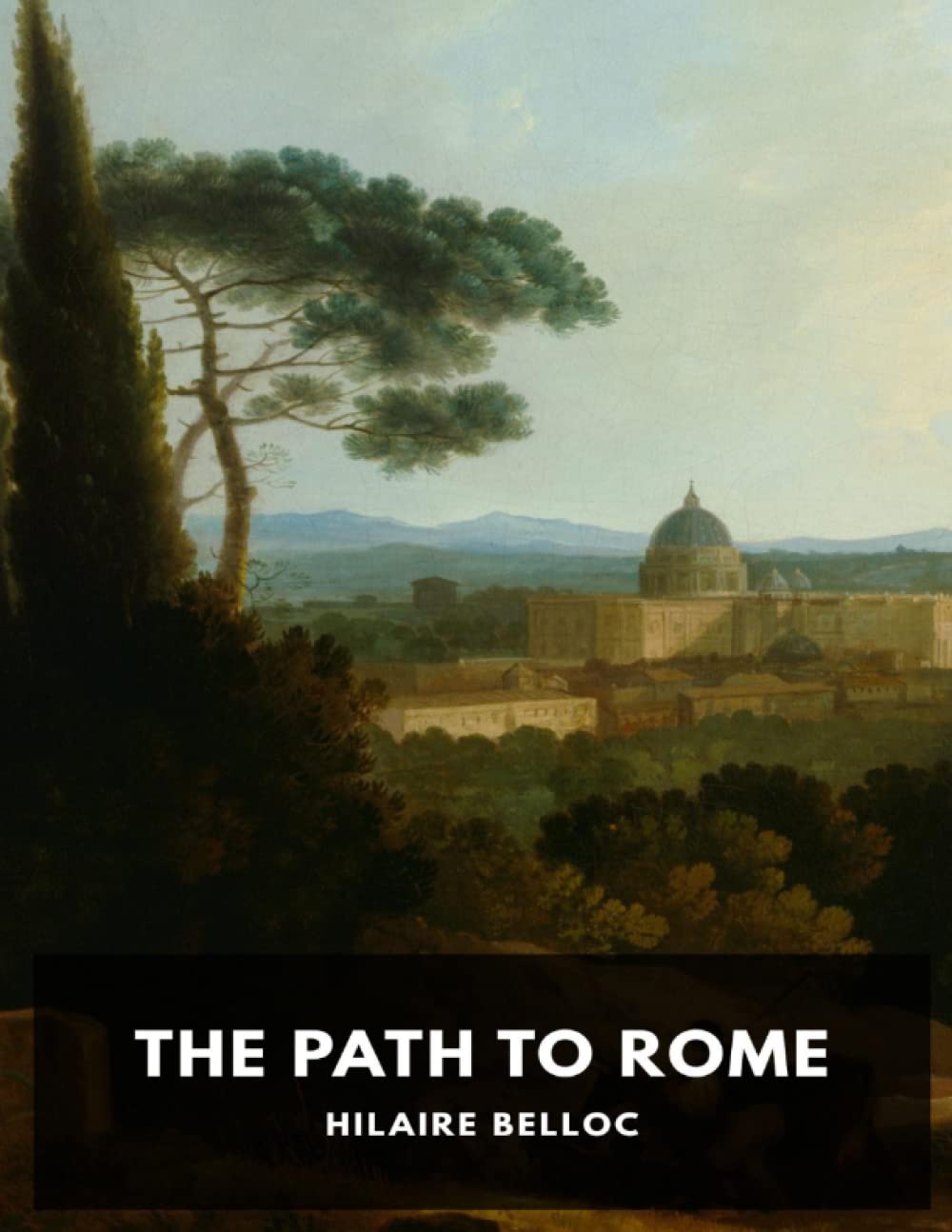
Sourced Hilaire Belloc Quotes, Grouped by Book
Notes on sourcing: every line below is tied to the Belloc work, year and page it comes from. Belloc is heavily anthologised, so unsourced lines circulate widely under his name. We have kept only quotes we can attach to a primary source, and we handle the most famous misattribution honestly in its own section further down.
Travel quotes from The Path to Rome (1902)
The Path to Rome (1902) is Belloc walking, talking and arguing with himself the whole way to Rome. These four lines are taken from that book, with the page noted so you can find them.
I sincerely hope, trust, and pray that this part of my journey will not seem as dull to you as it did to me at the time… Oh, blessed quality of books, that makes them a refuge from living!
— Hilaire Belloc The Path to Rome (1902), p. 201 Belloc admitting the dull stretch of the road, then reaching for a book to escape it. Every long walk has a flat afternoon like this one.
Man may be master of his fate, but he has a precious poor servant. It is easier to command a lapdog or a mule for a whole day than one's own fate for half-an-hour.
— Hilaire Belloc The Path to Rome (1902), p. 299 The traveller's truth about plans. You set out to command the day, and the day does as it pleases.
Write as the wind blows and command all words like an army!
— Hilaire Belloc The Path to Rome (1902), p. xi Belloc on the craft of writing the journey: set it down with force and freedom, the way the road actually moves.
Then let us love one another and laugh. Time passes, and we shall soon laugh no longer.
— Hilaire Belloc The Path to Rome (1902), p. xv The whole reason to travel with the people you love, distilled to one line. The clock is running, so laugh now.
Travel and life quotes from The Four Men: A Farrago (1911)
The Four Men: A Farrago (1911) follows four companions, all of them facets of Belloc himself, on a walk across Sussex. Beneath the comedy it is about home and the things worth holding on to.
Nothing is worthwhile on this unhappy earth except the fulfilment of a man's desire.
— Hilaire Belloc The Four Men: A Farrago (1911), p. 4 The honest engine under every journey: you go because there is something you want badly enough to walk toward.
Consider chiefly from now onwards those permanent things which are, as it were, the shores of this age and the harbours of our glittering and pleasant but dangerous and wholly changeful sea.
— Hilaire Belloc The Four Men: A Farrago (1911), pp. 157-8 Belloc's plea to hold to the permanent things. For the traveller, the harbours you keep coming home to are what make the going bearable.
The sea and the journey: The Cruise of the Nona (1925)
The Cruise of the Nona (1925) is Belloc at sea, sailing the English coast and thinking about providence and the unintended consequences of action. One line in particular has aged into something close to prophecy.
It is in the irony of Providence that the more man comes to control the material world about him, the more does he lose control over the effects of his action.
— Hilaire Belloc The Cruise of the Nona (1925), p. 177 Written at the helm of his boat, and truer every decade since. The further we sail from where we began, the less the wake answers to us.
Belloc beyond travel: friendship, courtesy and song
Belloc is also remembered for lines that have nothing to do with travel and everything to do with how he saw life: friendship, courtesy, song. These come from his Verses (1910), On Nothing and Kindred Subjects (1908) and On Everything (1909), and they round out the picture of the man.
Of courtesy it is much less than courage of heart or holiness, yet in my walks it seems to me that the Grace of God is in courtesy.
— Hilaire Belloc Courtesy, Verses (1910) A walker's theology. Belloc found grace not in grand gesture but in the small courtesies you offer strangers on the road.
It is the best of all trades, to make songs, and the second best to sing them.
— Hilaire Belloc On Song, On Everything (1909) Belloc the singer on the road. The walking books are full of song, and he ranked making one above almost anything else.
Starter path: pick the one line that loosened something in you, write it on the inside cover of your notebook, and read it the next time a long walk or a real journey is sitting in your plans waiting for you to actually set out.
The Quote Belloc Probably Never Wrote: We Wander for Distraction, but We Travel for Fulfilment
The single most quoted Belloc travel line on the internet is this: I have wandered all my life, and I have also traveled; the difference between the two being this, that we wander for distraction, but we travel for fulfilment. It is elegant, it sounds exactly like him, and it appears on thousands of quote pages with his name attached.
There is, however, no primary source for it in Belloc’s books. The line traces to a 1962 quotation anthology, the Lifetime Speaker’s Encyclopedia edited by Jacob Braude (p. 829), which printed it under Belloc’s name without a work or page. No Belloc travel book, essay or letter has been shown to contain it. On the evidence, it should be treated as attributed-to Belloc rather than written-by him. We leave it here, clearly labelled, precisely so it does not get mixed in with the lines he genuinely wrote. If you want a real Belloc sentence on the same idea, the sourced quotes above carry the load.
Frequently Asked Questions About Hilaire Belloc
Did Hilaire Belloc write "we wander for distraction, but we travel for fulfilment"?
There is no primary source for it in Belloc’s books. It traces to a 1962 quotation anthology (the Lifetime Speaker’s Encyclopedia), not to any work Belloc wrote, so it should be treated as attributed-to rather than written-by.
What is Hilaire Belloc's most famous travel book?
The Path to Rome (1902), his account of walking on pilgrimage from Toul in France toward Rome, is his best known travel work.
What did Belloc actually say about travel and home?
In the “Dedicatory Ode” of his Verses (1910) he wrote: From quiet homes and first beginning, out to the undiscovered ends, there’s nothing worth the wear of winning, but laughter and the love of friends.
When did Hilaire Belloc live?
27 July 1870 to 16 July 1953. He was a Franco-English writer, poet and Member of Parliament.
Which Belloc books are travel writing?
The Path to Rome (1902), The Four Men: A Farrago (1911), and The Cruise of the Nona (1925).
Why Hilaire Belloc Belongs on a Travel Quotes Page
Hilaire Belloc earns his place on a travel quotes page because he wrote the road as a walker lives it, on foot, in the weather, with the mud and the wine and the tiredness all left in. The Path to Rome is the book to start with, the great walking pilgrimage that made his name and still reads as fresh as the day he tramped it. Take his genuine lines, leave the anthology inventions where they belong, and you have a companion worth carrying. For more wisdom in this voice, browse our full library of travel quotes.
More Quote Collections Worth Your Time
- 100 Best Travel Quotes: the full library, organised by theme.
- Solo Travel Quotes: courage and independence for going it alone, the natural next read after Belloc.
- All Author Bios: every writer whose travel lines we have sourced and checked.