
Gustave Flaubert: Travel Quotes From His Orient Voyage, Sourced and Flagged
Gustave Flaubert really did write from the road. His long voyage through Egypt and the Orient in 1849 left a body of sourced travel writing, gathered in Flaubert in Egypt: A Sensibility on Tour. The catch is that the single most pinned Flaubert travel quote online may not be his at all. This page gives the real, sourced lines and flags the famous one honestly.
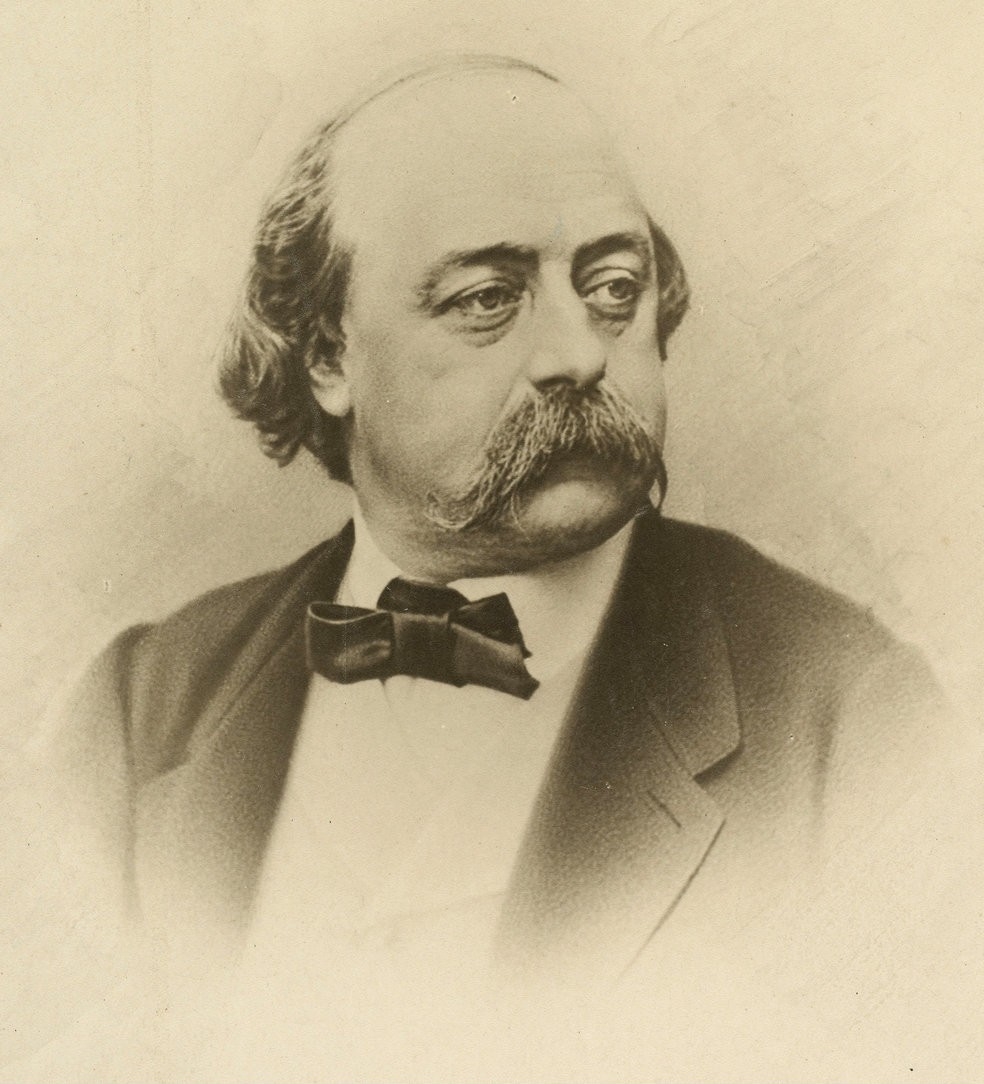
Search for Gustave Flaubert travel quotes and you meet a paradox. The line shared most often, travel makes one modest, you see what a tiny place you occupy in the world, is attached to his name everywhere, yet it is very hard to find in anything he actually wrote. Meanwhile his genuine travel writing, the notebooks and letters from a near two year journey through Egypt, the Holy Land, Lebanon, Turkey, Greece and Italy, sits mostly unquoted. This page does the opposite of the quote mills. It gives you Flaubert’s sourced travel lines from Flaubert in Egypt: A Sensibility on Tour, walks through the voyage that produced them, and flags the famous line the internet cannot source.
Who Gustave Flaubert Was: The Rouen Novelist Who Went East
Gustave Flaubert was born on 12 December 1821 in Rouen, in Normandy, where his father was a senior surgeon at the city hospital (Wikipedia, Gustave Flaubert). He grew up around medicine and books, studied law in Paris without enthusiasm, and after a nervous illness in 1844 gave it up to write. He settled at the family house at Croisset, on the Seine just outside Rouen, and made writing his entire life’s work until his death on 8 May 1880.
He is remembered first for Madame Bovary (1857), the novel of provincial adultery whose precision and irony helped define modern realism and put Flaubert on trial for offending public morals, a charge he beat. Later came Salammbo (1862), Sentimental Education (1869) and Three Tales (1877). He wrote slowly and rewrote endlessly, chasing what he called the right word. The same exacting eye is what makes his travel notes worth reading.
The Orient Voyage of 1849 to 1851 That Made Him a Traveller
Flaubert’s great journey began in late 1849, when he set out with his friend the writer and photographer Maxime Du Camp on a near two year tour of the East (Wikipedia). They went up the Nile through Egypt, then on through the Holy Land, Lebanon, Constantinople, Greece and Italy. Flaubert was in his late twenties, still before Madame Bovary, and he travelled with a notebook always open, recording markets, ruins, light, boredom and wonder in the same level voice.
Those notebooks and the letters he wrote home were later gathered and translated by Francis Steegmuller as Flaubert in Egypt: A Sensibility on Tour, which remains the best single source for his travel lines. Read together they are not postcards. They are a young writer learning to see, and the sourced quotes below come straight from them.
His Best Books and Where to Start
Flaubert is best met in two books: the travel record that holds his real road lines, and the novel that made his name. One confidently sourced starting point for each is the honest recommendation here, rather than a padded shelf.
1. Flaubert in Egypt: A Sensibility on Tour
Best for: Readers who want Flaubert's real travel writing in one volume.
His Egypt and Orient notebooks and letters, gathered and translated by Francis Steegmuller. The source for almost every sourced quote on this page, and the honest place to start with Flaubert the traveller.
Check Price on Amazon →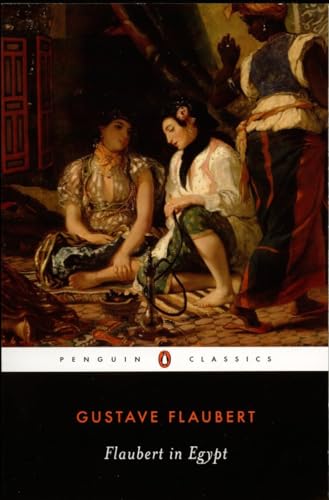
2. Madame Bovary
Best for: Readers who want the novel that made his name.
The 1857 novel of provincial life that helped define literary realism and put Flaubert on trial. If the travel notes send you to his fiction, start here.
Check Price on Amazon →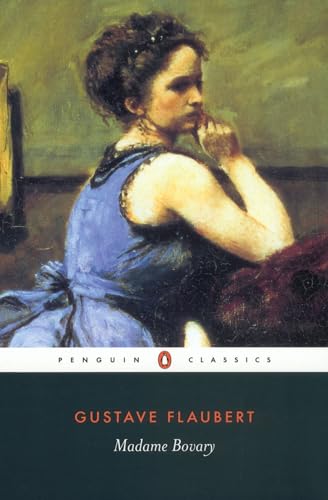
Memorable Gustave Flaubert Travel Quotes, Sourced and Flagged
Notes on sourcing: the quotes below are drawn from Flaubert’s travel notebooks and letters from the 1849 to 1851 Orient voyage, as gathered in Flaubert in Egypt: A Sensibility on Tour, so they carry schema. Where a line is lightly condensed for length we say so. The famous travel makes one modest line is handled separately below, because we could not source it.
It is always sad to leave a place to which one knows one will never return. Such are the melancolies du voyage: perhaps they are one of the most rewarding things about traveling.
— Gustave Flaubert Flaubert in Egypt: A Sensibility on Tour From his Orient travel notes, 1849 to 1851.
You ask me whether the Orient is up to what I imagined it to be. Yes, it is; and more than that, it extends far beyond the narrow idea I had of it. I have found, clearly delineated, everything that was hazy in my mind.
— Gustave Flaubert Flaubert in Egypt, from a letter on the voyage Lightly condensed; the closing clause is dropped.
Egypt is a great place for contrasts: splendid things gleam in the dust.
— Gustave Flaubert Flaubert in Egypt Original reads (Egypt) is a great place for contrasts; the bracket is removed, sense unchanged.
The sight of so many ruins destroys any desire to build shanties; all this ancient dust makes one indifferent to fame.
— Gustave Flaubert Flaubert in Egypt
Starter path: sit with the first line before you scroll. The sadness of leaving a place you will never see again is one of the oldest feelings in travel, and Flaubert names it without flinching.
The Famous Flaubert Travel Quote He Probably Never Wrote
The line you will see under his name most often is this: travel makes one modest, you see what a tiny place you occupy in the world. It is printed on posters, pinned to a thousand boards, and quoted in countless round ups. There is only one problem. We could not find it in his published works, his travel notebooks or his letters, and neither, reliably, can the quote researchers who have looked.
That does not make it a bad thought. It is a lovely one, and it even sounds like him. But sounding like Flaubert is not the same as being written by Flaubert, and a travel quotes page that cares about sourcing has to say so. Treat it as widely attributed and unverified, enjoy it if you like it, and reach for the sourced lines above when you want Flaubert’s own words about the road.
Other Writers Who Travelled East and Wrote It Down
If Flaubert is your way into travel writing with a sharp eye, these writers carry the same thread of going east, or far, and putting it honestly on the page.
- Alain de Botton: a modern essayist on why we travel and what we actually find when we get there.
- Mark Twain, whose The Innocents Abroad turned a Mediterranean and Holy Land tour into comedy and clear-eyed reportage.
- Robert Louis Stevenson, who travelled for the love of movement itself and said so in his essays.
Frequently Asked Questions About Gustave Flaubert
Did Gustave Flaubert write travel quotes?
Yes. Unlike many quoted figures, Flaubert left real travel writing from his 1849 to 1851 journey through Egypt and the Orient, recorded in his notebooks and letters and collected in Flaubert in Egypt: A Sensibility on Tour. His most reliable travel lines come from that work.
Did Flaubert really say travel makes one modest?
It is everywhere attributed to him, but we could not find it in his published works, travel notebooks or letters. We flag it as widely attributed and unverified rather than presenting it as a sourced Flaubert quote.
Where did Gustave Flaubert travel?
His major journey was a near two year tour of the East with the photographer Maxime Du Camp, taking in Egypt, the Holy Land, Lebanon, Constantinople, Greece and Italy from 1849 to 1851. He also toured Brittany on foot, recorded in Over Strand and Field.
When and where was Gustave Flaubert born?
He was born on 12 December 1821 in Rouen, in Normandy, France, and died on 8 May 1880 at Croisset near Rouen.
What is the best Flaubert book to start with?
For the travel writing, start with Flaubert in Egypt: A Sensibility on Tour. For his fiction, his masterpiece Madame Bovary (1857) is the natural entry point.
Why a Novelist Belongs on a Travel Quotes Page
Flaubert never called himself a travel writer, and yet he left some of the most exact travel prose of the nineteenth century. His gift to the traveller is attention: the discipline to look at a place as it really is, dust and splendour together, and to write it down without dressing it up. If you read one book for the road, make it Flaubert in Egypt. For more sourced voices, browse our full collection of travel quotes.
More Quote Collections Worth Your Time
- 100 Best Travel Quotes: the full library, organised by theme.
- Alain de Botton: the modern case for why we travel.