Andre Gide: Travel Quotes, the Famous Line He Worded Differently, and the Trips That Changed Him
Verified Andre Gide travel quotes with real book sources: the genuine line about losing sight of the shore from The Counterfeiters, the restless wandering of Fruits of the Earth and The Immoralist, the popular sea-faring rewrite flagged honestly, and the editions worth owning.

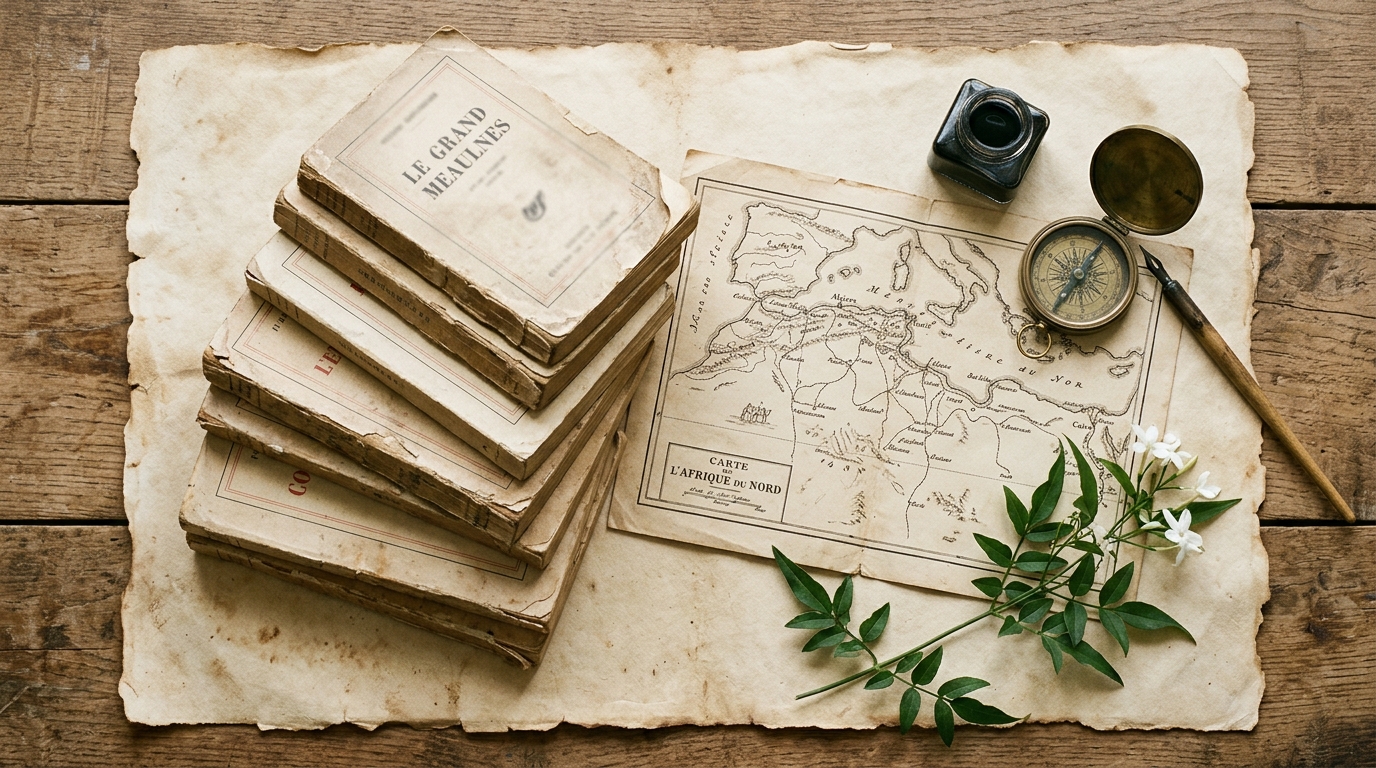
Search for Andre Gide travel quotes and the line that comes back first, on almost every site, is this: “Man cannot discover new oceans unless he has the courage to lose sight of the shore.” It is a fine sentence. It is also not quite what Gide wrote, and it is so often pinned to Christopher Columbus that the attribution has become a coin toss. Here is what actually happened. In his 1925 novel The Counterfeiters, Gide wrote something quieter and better: “One doesn’t discover new lands without consenting to lose sight, for a very long time, of the shore.” No oceans, no courage, no Columbus. Andre Paul Guillaume Gide, born in Paris in 1869 and awarded the Nobel Prize in Literature in 1947, knew exactly what it meant to leave the shore, because the trips he took to North Africa in his twenties rebuilt him as a writer. This page sorts the verified Gide lines from the floating ones, cites the real quotes to a book, flags the famous rewrite honestly, and lists the editions worth owning.
Early Life: a Sheltered Paris Childhood and a Body That Would Not Settle
Andre Gide was born in Paris in 1869 into a strict Protestant family, the only child of a law professor at the Sorbonne, Paul Gide, and a devout, controlling mother, Juliette Rondeaux. His father died when Andre was eleven, and the boy was raised between a watchful mother and a Huguenot conscience that he spent the rest of his life arguing with. He was nervous, sickly and intensely bookish, schooled in fits and starts because his health kept collapsing. (britannica.com)
The cure, when it came, was movement. In 1893, threatened by tuberculosis, the young Gide travelled to North Africa, to Tunisia and then to the Algerian oasis town of Biskra, and the heat and the light and the freedom did something no sanatorium could. He recovered his body and, in the process, came to terms with the desires his upbringing had taught him to bury. In 1895, on a second North African trip, he met Oscar Wilde and Lord Alfred Douglas in Algiers, an encounter that pushed him further toward the honest, scandalous self-examination that would define his work. He went out to the desert ill and ashamed and came back, in his own telling, alive.
Career Milestones: From the Desert Books to a Nobel Prize
The first great fruit of those journeys was Les Nourritures terrestres, published in English as Fruits of the Earth, in 1897, a feverish prose-poem urging a young reader to throw off family and certainty and go hungry for the world. The Immoralist followed in 1902, the story of a scholar who travels to North Africa, nearly dies, recovers, and discovers a self he can barely control. Then came the spare Protestant tragedy of Strait Is the Gate in 1909, the satirical Vatican Cellars in 1914, and in 1925 his one full-length novel, The Counterfeiters, the book that holds his most genuine travel line. (Wikipedia)
Then Gide did something most quotable authors never do. In 1925 and 1926 he travelled through French Equatorial Africa, and the resulting Travels in the Congo (1927) abandoned the picturesque to document the brutalities of the concession companies, embarrassing the French government and turning Gide into a political force. He flirted with communism, visited the Soviet Union in 1936, and published a clear-eyed disillusionment when he got home. He was awarded the Nobel Prize in Literature in 1947 for writing that, in the words of the citation, presented the problems of mankind with a fearless love of truth. He died in Paris in 1951. (nobelprize.org)
Andre Gide’s Best Books for Travellers, with Receipts
1. The Immoralist (Penguin Classics)
Best for: Readers who want the novel where Gide's travel really begins
The 1902 novel of a young scholar who travels to Tunisia and Algeria, nearly dies of illness, and recovers into a self he no longer recognises. It is the closest thing Gide wrote to a record of his own North African awakening, and the home of the line about freedom being only the beginning. The Penguin Classics edition is the standard reading copy, well introduced and easy to find. Start here if you want to understand why the desert mattered so much to him.
Check Price on Amazon →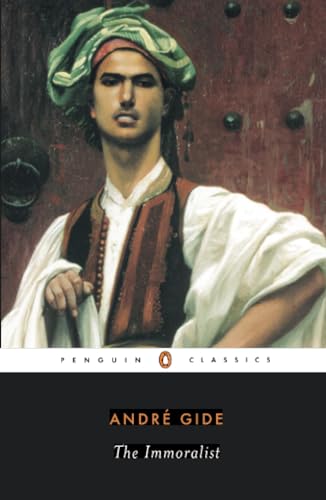
2. The Counterfeiters: A Novel (Vintage International)
Best for: Anyone chasing the real 'lose sight of the shore' quote
Gide’s only full-length novel, from 1925, and the actual source of his most misquoted travel line. The Vintage International paperback is the standard English edition of the book he himself called his only true novel, a restless, many-stranded story about authenticity and forgery. Buy this one if you want to read the genuine sentence in its place, rather than the sea-faring rewrite that floats around under his name.
Check Price on Amazon →
3. Fruits of the Earth
Best for: Travellers who want the pure hymn to appetite and the open road
Les Nourritures terrestres, from 1897, written straight out of his first African trips. It is less a novel than a fevered invitation to leave the shut-in home, go hungry for experience, and let every emotion become an intoxication. This is the book that holds most of Gide’s real travel philosophy, the one young readers in France carried around for decades as a manifesto for getting out the door.
Check Price on Amazon →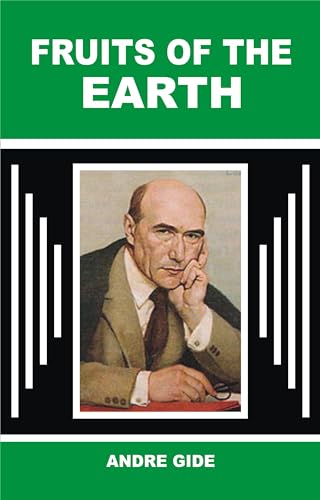
4. Travels in the Congo
Best for: Readers who want Gide as an actual travel writer, not just a quotable one
His 1927 account of a long journey through French Equatorial Africa, the book where the sightseeing curdles into a furious record of colonial abuse. This is Gide on the ground rather than Gide in aphorism, and it is the title that proves he earned his travel lines the hard way. A niche reissue rather than a mass-market paperback, but the one to read if you want the journey that changed his politics.
Check Price on Amazon →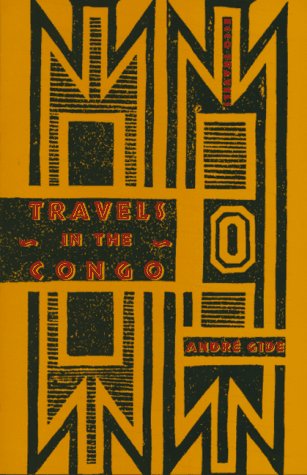
5. Strait Is the Gate
Best for: Readers ready for the other side of Gide, the Protestant tragedy
La Porte etroite, from 1909, the taut, sorrowful counterweight to the sensual books, about a love renounced in the name of holiness. It is the novel that shows the conscience Gide was always travelling away from, and reading it beside The Immoralist gives you the full argument he spent his life having with himself. This widely available edition is an easy, inexpensive way to own it.
Check Price on Amazon →
An honest note from our editors: editions of Fruits of the Earth and Travels in the Congo in English are reissues with modest review counts rather than big mass-market printings, so treat them as the specialist reading they are. The Immoralist, The Counterfeiters and Strait Is the Gate are the easy, well-reviewed places to start.
Andre Gide’s Travel Philosophy in His Own Words
Gide never wrote a guidebook, and he would have distrusted one. His idea of travel was closer to a moral dare. Leave the closed house, he kept saying in different forms, go out to where you are no longer protected, and find out who you are when the family and the certainties are out of sight. Fruits of the Earth is one long version of that dare, addressed to an imagined young reader named Nathanael and urging him to want everything, to let every emotion become an intoxication, and then to throw the book away and go. It is the most quotable thing he wrote, and it came directly out of the African journeys that saved his health and unsettled his conscience.
The deepest statement, though, is the one everybody misquotes. In The Counterfeiters he wrote that one does not discover new lands without consenting to lose sight, for a very long time, of the shore. It is not really about sailing. It is about the long, frightening interval between leaving what you know and arriving at what you do not yet have, the stretch where there is no coastline behind you and none ahead. Gide lived that interval on purpose, again and again, from Biskra to the Congo, and he made it the secret subject of his travel writing. You do not get the new land cheaply. You get it by being willing to see nothing familiar for a long time.
Memorable Andre Gide Quotes by Theme
The Real Line About Losing Sight of the Shore
One doesn't discover new lands without consenting to lose sight, for a very long time, of the shore.
— Andre Gide The Counterfeiters (Les Faux-monnayeurs, 1925) This is the genuine Gide line, and it is quieter and better than the popular rewrite. It is not about oceans or courage. It is about the long interval between leaving the known and reaching the new, the stretch where no coastline is in sight at all.
Why He Had to Leave the Shut-In Home
Families, I hate you! Shut-in homes, closed doors, jealous possessions of happiness.
— Andre Gide Fruits of the Earth (Les Nourritures terrestres, 1897), Book IV The most famous cry in his most restless book, written straight out of the North African trips that freed him from a strict Protestant childhood. For Gide, leaving home was not a holiday. It was survival.
Travel as an Appetite
Let every emotion be capable of becoming an intoxication to you. If what you eat fails to make you drunk, it is because you are not hungry enough.
— Andre Gide Fruits of the Earth (Les Nourritures terrestres, 1897) Gide's whole theory of the open road in two sentences. The point of going out into the world is not to collect sights but to arrive hungry enough that everything intoxicates you.
Freedom Is Only the Beginning
To know how to free oneself is nothing; the arduous thing is to know what to do with one's freedom.
— Andre Gide The Immoralist (L'Immoraliste, 1902), Chapter 1 Spoken in the novel born from his own desert recovery. The traveller's real test, Gide says, is not escaping the harbour but knowing what to do once you are out on the open water with no one telling you where to go.
The Nerve to Attempt It
There are many things that seem impossible only so long as one does not attempt them.
— Andre Gide If It Die (Si le grain ne meurt, 1924), Chapter III From his frank autobiography. It reads like the inner permission slip every traveller eventually writes for themselves, the moment a trip stops being impossible and becomes simply unbooked.
The Travel Line Everyone Credits to Him (That He Worded Differently)
Man cannot discover new oceans unless he has the courage to lose sight of the shore.
— Popularly attributed to Andre Gide, reworded A rewrite of the line in The Counterfeiters; no verified Gide source for this wording This is the single most shared 'Andre Gide travel quote,' and it is a smoothed, sea-faring rewrite of the genuine line above. Gide wrote about new lands and consenting to lose sight of the shore, not new oceans and courage. To make matters worse, this version is frequently misattributed to Christopher Columbus. Quote the real line from The Counterfeiters instead, and you will be both more accurate and more interesting.
A sourcing note, because this page exists to be the accurate one and our editorial standards ask for receipts: every verified line above is tied to a specific Gide book, cross-checked against the published texts and reliable references including Wikiquote, which records the genuine Counterfeiters wording and notes both the common misquote and the Columbus mix-up. The trap with Gide is that the rewrite reads like a motivational poster while the real sentence reads like a confession. When a quote site hands you the ‘new oceans’ version, treat the wording as decoration. More on how we verify lives is on our about us page.
For the full canon in context, browse the 100 best travel quotes mega-pillar, where Gide’s line about losing sight of the shore holds down the leap-of-faith end of the collection.
Other Voices in Leaving Home and Losing the Shore
Frequently Asked Questions about Andre Gide
What is the most famous Andre Gide travel quote?
The genuine one is from The Counterfeiters (1925): ‘One doesn’t discover new lands without consenting to lose sight, for a very long time, of the shore.’ The version that circulates most, ‘Man cannot discover new oceans unless he has the courage to lose sight of the shore,’ is a reworded paraphrase and is also frequently misattributed to Christopher Columbus.
Did Andre Gide really say 'Man cannot discover new oceans'?
Not in those words. That sentence is a smoothed-out rewrite of the line he wrote in The Counterfeiters, which is about new lands and the shore rather than new oceans and courage. The ‘new oceans’ wording has no verified source in Gide and is often pinned to Columbus instead.
Was Andre Gide actually a traveller?
Very much so. His trips to North Africa in 1893 and 1895 transformed his health and his writing, and his 1925 to 1926 journey through French Equatorial Africa produced Travels in the Congo, a travel book that exposed colonial abuses and changed his politics for good.
Which Gide book should a traveller read first?
The Immoralist (1902). It is the novel that grew directly out of his North African awakening, and it carries his idea that the hard part of any journey is not leaving but knowing what to do with the freedom you find. Read Fruits of the Earth next for the pure hymn to wandering.
What did Andre Gide win the Nobel Prize for?
Gide received the Nobel Prize in Literature in 1947 for a body of work the Swedish Academy praised for its fearless love of truth and keen psychological insight. He died in Paris in 1951.
Andre Gide’s Lasting Legacy for Travellers
Gide’s gift to travellers is the idea that leaving is a moral act, not a leisure one. A sheltered, sickly boy from a strict Paris household went out to the Algerian desert and came back a writer, then spent the rest of his life arguing that you cannot reach new ground without consenting to lose the old coastline for a long, uncomfortable time. He earned the lines the hard way, in Biskra and in the Congo, and the verified sentence in The Counterfeiters is worth a hundred motivational rewrites of it. So want everything, the way Fruits of the Earth tells Nathanael to. Expect the freedom to be harder than the escape. And when a poster hands you ‘new oceans’ and ‘courage,’ reach for the real line about new lands and the shore, then go and read the book it came from. More sourced voices are waiting in our author bio library.