Susan Sontag: Travel Quotes, the Famous Line That Actually Checks Out, and the Woman Who Went Toward the War
Verified Susan Sontag travel quotes labelled as what they really are: a genuine line from her short story Unguided Tour, the sceptical passages from On Photography with sources, and the editions worth owning.
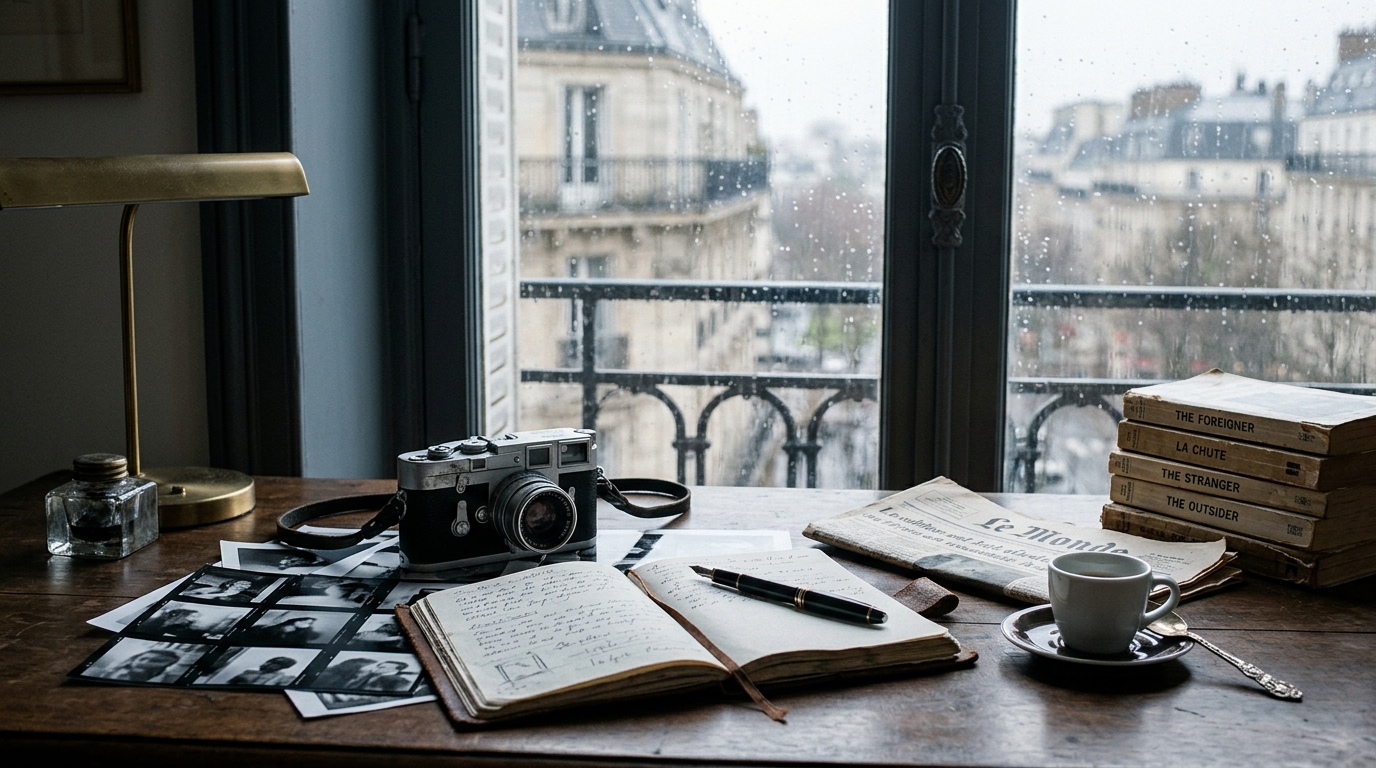
Ask the internet for Susan Sontag travel quotes and the first one back is almost always the same playful line: “I haven’t been everywhere, but it’s on my list.” Here is the surprise, and part of the reason this page exists. For once, the famous one is real. Sontag wrote it, in a strange and beautiful little short story called Unguided Tour, published in The New Yorker in 1977. That makes her the rare case on a travel-quote page: the most-shared line under her name actually checks out to a printed source. What makes it stranger is who said it. Sontag was not a wanderlust poster in human form. She was the most sceptical traveller in modern letters, the critic who watched tourists turn the world into photographs and wrote the book that picked the habit apart. She went to Hanoi during the bombing, staged Beckett in besieged Sarajevo by candlelight, lived between New York and Paris, and is buried in Montparnasse. So this page sources her properly: the genuine lines cited to book and story, the famous one given its real home, the sceptical passages from On Photography quoted in full, and the editions worth owning with their receipts.
Early Life: a Father Lost in China and a Childhood in the Desert
She was born Susan Rosenblatt in New York City in January 1933, the daughter of a fur trader who ran his business out of northern China. Her father died of tuberculosis in Tianjin when she was five, a loss in a country she had never seen, and travel entered her life early as something distant and shadowed rather than carefree. Her asthma sent the family to the dry air of Tucson, Arizona, and later to Los Angeles, where her mother remarried and Susan took her stepfather’s surname, Sontag. She was a ferociously precocious reader, the kind of child who finished high school years ahead of schedule and treated the public library as the only door worth walking through. (britannica.com)
She entered university at fifteen, studied at Berkeley and then the University of Chicago, and married the sociologist Philip Rieff at seventeen after a courtship measured in days. Their son, the writer David Rieff, was born in 1952. Graduate study took her to Harvard, then to Oxford and the Sorbonne, and it was Paris in the late 1950s that finished the job her childhood had started. She immersed herself in European cinema, philosophy and the café life of the Left Bank, divorced Rieff, and arrived back in New York at the end of the decade as a writer with a continental education and an appetite for everything.
Career Milestones: Camp, the Camera, and the Cities Under Fire
She made her name fast. The 1964 essay Notes on Camp turned an unknown thirty-one-year-old into an intellectual celebrity almost overnight, and the 1966 collection Against Interpretation confirmed it. In 1977 she published On Photography, six linked essays that won the National Book Critics Circle Award and remain her most quoted book, the place where her thinking about travel actually lives. A breast-cancer diagnosis in the mid-1970s produced Illness as Metaphor in 1978, her furious argument against the cruel stories cultures tell about the sick, and AIDS and Its Metaphors followed in 1989. (britannica.com)
Her travelling was the opposite of tourism. In 1968 she went to Hanoi while American bombs were falling and wrote Trip to Hanoi about the vertigo of it. In 1993, during the siege of Sarajevo, she returned again and again to the bombarded city and directed a production of Beckett’s Waiting for Godot by candlelight for an audience that had to cross sniper fire to attend. Between assignments she wrote fiction, winning the National Book Award in 2000 for In America and setting her 1992 novel The Volcano Lover among the expatriates and eruptions of eighteenth-century Naples. She lived her last years between New York and Paris, with the photographer Annie Leibovitz, and died of leukaemia in New York in December 2004, aged seventy-one. They buried her, fittingly for so European an American, in Montparnasse Cemetery in Paris.
Susan Sontag’s Best Books for Travellers, with Receipts
1. On Photography
Best for: Readers who want her real travel thinking, sceptical and unforgettable
The home of nearly every genuine Sontag quote on this page about travel and the camera. Six essays on how photographs change the way we see, possess and remember the world, and why the tourist with a camera is doing something stranger than they think. If you read one Sontag book for the way it reframes a journey, read this one.
Check Price on Amazon →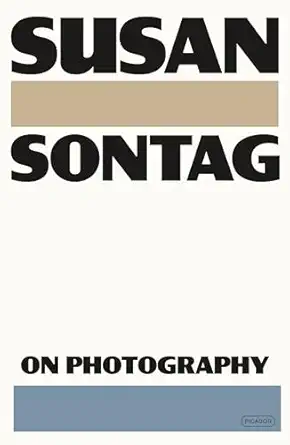
2. Against Interpretation: And Other Essays
Best for: Anyone who wants the essays that made her famous, including Notes on Camp
The 1966 collection that turned Sontag into the most talked-about critic in America, gathering Notes on Camp and her arguments for paying attention to the surface of things rather than mining everything for hidden meaning. The clearest window into the restless, omnivorous mind behind the travel lines.
Check Price on Amazon →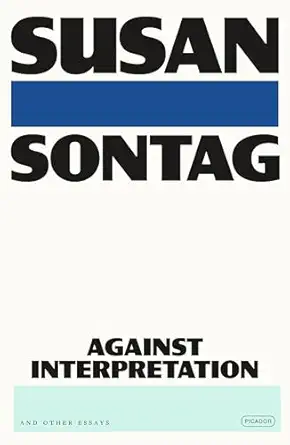
3. Susan Sontag: Essays of the 1960s and 70s (Library of America)
Best for: Building the essential Sontag in a single hardcover
On Photography complete, Against Interpretation, Styles of Radical Will, Illness as Metaphor and the long essay On Photography all in one Library of America volume. The best single book if you want the range of her thinking, from camp to the camera to cancer, without buying the whole shelf.
Check Price on Amazon →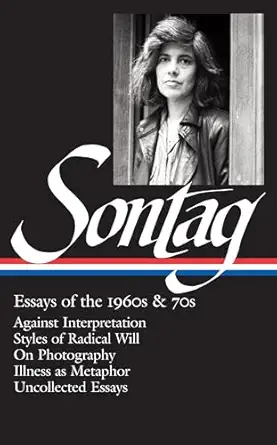
4. Illness as Metaphor and AIDS and Its Metaphors
Best for: Readers who want Sontag at her most fearless and personal
Two short, blazing books written out of her own cancer diagnosis and the AIDS years, taking apart the punishing stories cultures wrap around the sick. Not travel writing, but the purest distillation of the Sontag method: look hard at the thing itself, and refuse the comforting metaphor.
Check Price on Amazon →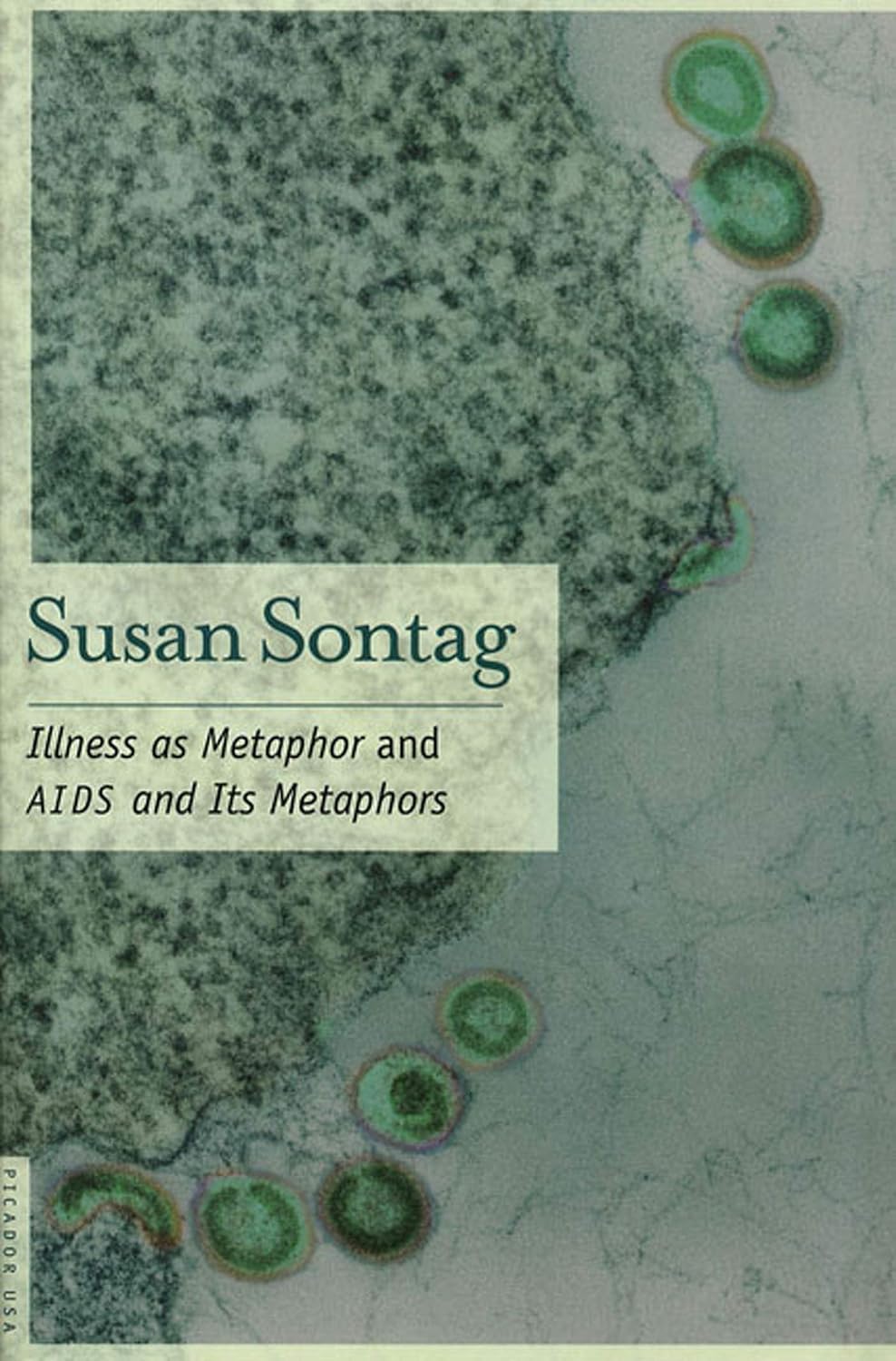
5. Regarding the Pain of Others (Audiobook)
Best for: Listeners who want the late Sontag who went to the war zones
Her 2003 return to the questions of On Photography, written after Sarajevo and focused on the photographs of war and how we look at the suffering of distant strangers. The mature companion to her early book, and the closest she came to a moral guide for the traveller who goes toward difficulty.
Check Price on Amazon →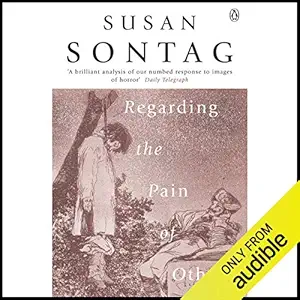
An honest note from our editors: the major life of Sontag sits outside our verified slate this round, so it gets a name instead. Benjamin Moser’s Sontag: Her Life and Work won the Pulitzer Prize and is the standard biography if you want the woman behind the byline, in full and unflinching detail.
Susan Sontag’s Travel Philosophy in Her Own Words
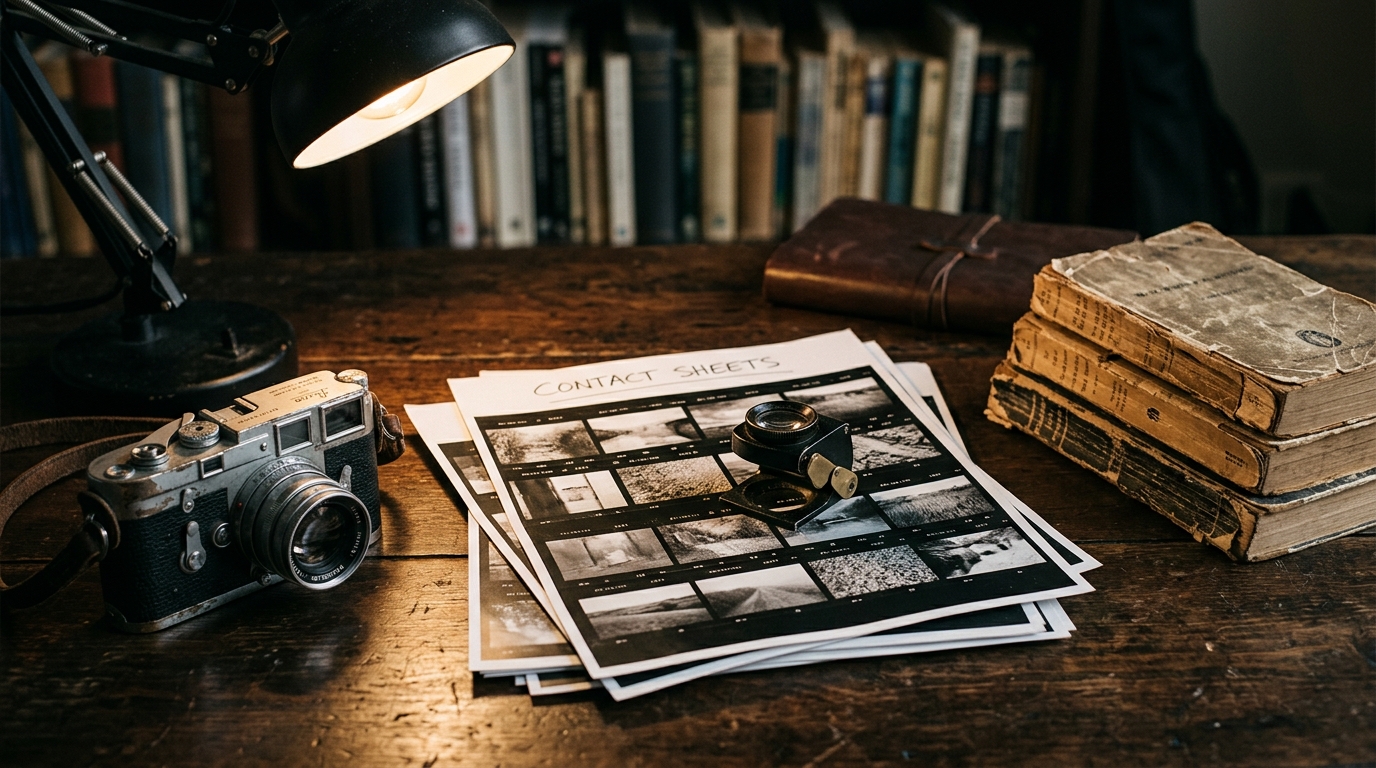
Sontag never wrote a travel guide; she wrote a warning about what we do to the places we visit. It runs through On Photography, where she watches the modern tourist reach for the camera the moment the unfamiliar appears, and argues that the picture has quietly replaced the experience. To photograph, she writes, is to turn the world into a set of things you can collect, and travel becomes a way of accumulating images rather than meeting a place. The camera consoles the disoriented traveller and, in the same motion, lets them off the harder work of simply standing there and paying attention. She was not against going; she went everywhere, and toward the worst of it. She was against the substitution, the souvenir that stands in for the encounter.
This is why her most useful lines read like a corrective rather than an invitation. By all means keep a list of where you want to go, she would allow, and hers was long. But notice what the camera is doing in your hands, she insists, because a photographed journey can leave you with proof and no memory. Go toward the difficult places, her own life argues, Hanoi and Sarajevo and the hospital ward, because witness is a kind of travel too, and the one that changes you. You do not have to fly into a siege to use any of it. That, in the end, is the gift of the most sceptical traveller in modern letters: she makes you suspicious of the easy postcard, and far more awake to the place you are actually in.
Memorable Susan Sontag Quotes by Theme
The Line Everyone Shares (and It Is Real)
I haven't been everywhere, but it's on my list.
— Susan Sontag Unguided Tour, in The New Yorker (31 October 1977); collected in I, etcetera (1978) The rare famous travel quote that survives a fact-check. It is a line of dialogue from Sontag's melancholy short story about two lovers touring a beautiful, dying Europe, and it has been lifted onto a million mugs without its bittersweet context. She really wrote it, which on a travel-quote page makes it the exception, not the rule.
Travel, Tourists and the Camera
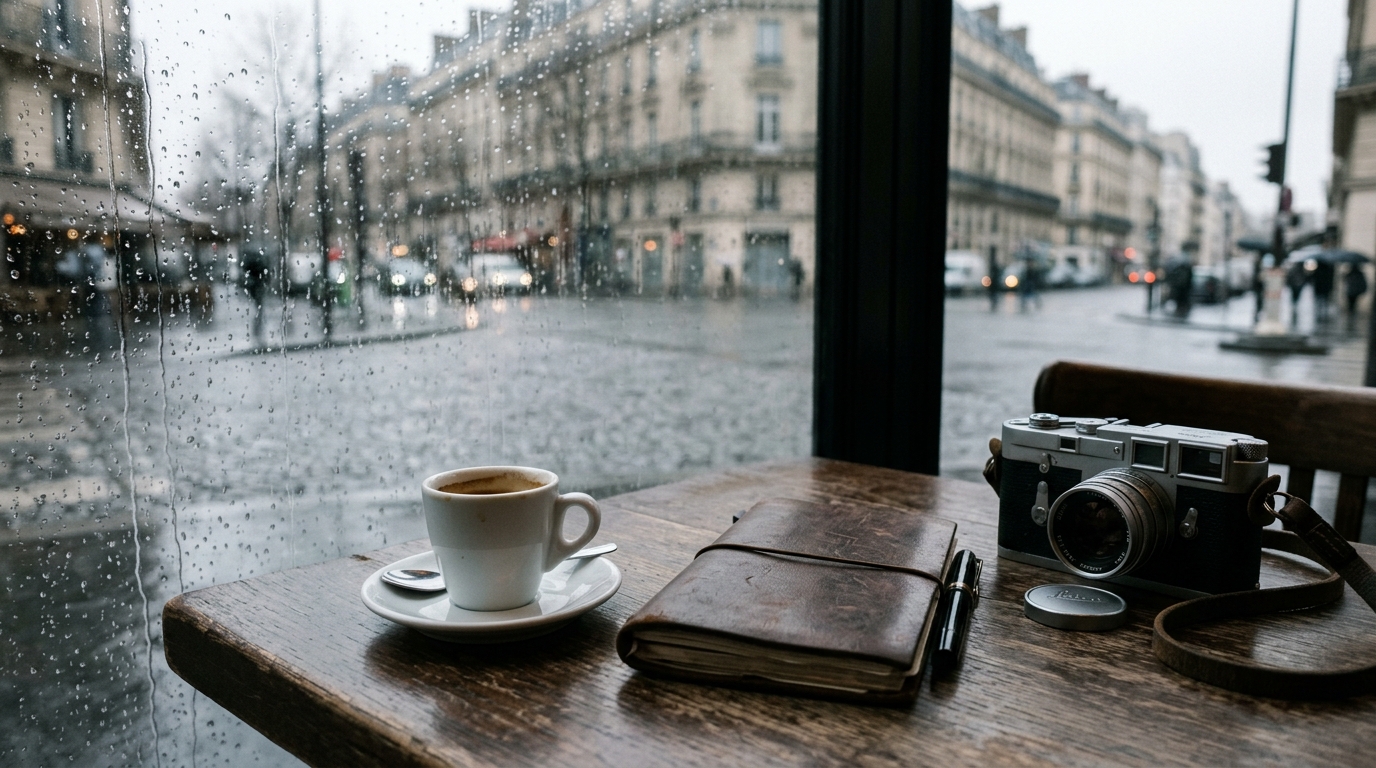
It seems positively unnatural to travel for pleasure without taking a camera along.
— Susan Sontag On Photography (1977), 'In Plato's Cave' Her diagnosis of the modern holiday, written decades before the smartphone made it total. The camera, she argues, has become the thing that certifies the trip was taken, the reassurance the anxious tourist cannot leave home without.
Travel becomes a strategy for accumulating photographs.
— Susan Sontag On Photography (1977), 'In Plato's Cave' Seven words that predicted the entire age of the travel feed. For Sontag the danger was not the picture but the substitution: the journey reorganised around the image, the place reduced to a backdrop for proof that you were there.
The very activity of taking pictures is soothing, and assuages general feelings of disorientation that are likely to be exacerbated by travel.
— Susan Sontag On Photography (1977), 'In Plato's Cave' Why the unsure traveller hides behind the viewfinder. The camera gives the disoriented something to do with their hands and their attention, a small task that calms the vertigo of being somewhere strange. Comforting, she warns, and a way of not quite arriving.
Collecting the World
To collect photographs is to collect the world.
— Susan Sontag On Photography (1977), 'In Plato's Cave' The opening move of the whole book, and the cleanest statement of her unease. We gather images of places the way we once gathered souvenirs, and slowly mistake the collection for the experience. The traveller's warning hiding inside an art critic's sentence.
A sourcing note, because this page exists to be the accurate one and our editorial standards demand receipts: Sontag is the happy exception here. The line that made her a travel-quote staple is genuinely hers, traceable to a printed story and a date, and the sharper observations all sit in On Photography with a chapter to point at. The trap with Sontag is the opposite of the usual one. Her famous line gets quoted accurately but stripped of its sadness, and her real subject, the way the camera quietly eats the journey, gets left off the inspirational posters entirely. When a quote site hands you a Sontag line with no book and no year, treat the attribution as decoration until a page turns up. More on how we verify lives is on our about us page.
For the full canon in context, browse the 100 best travel quotes mega-pillar, where Sontag’s list line holds down the wry, self-aware end of the collection.
Other Voices Who Travelled to Pay Attention
Frequently Asked Questions about Susan Sontag
What is Susan Sontag's most famous travel quote?
Her most shared travel line is ‘I haven’t been everywhere, but it’s on my list.’ Unusually for a famous travel quote, it is genuinely hers: it appears as dialogue in her short story Unguided Tour, published in The New Yorker on 31 October 1977 and collected in I, etcetera (1978).
Did Susan Sontag really say 'I haven't been everywhere, but it's on my list'?
Yes. It is a real Sontag line from Unguided Tour (1977), confirmed in sourced quotation collections and her published fiction. The quote is often shared without its context, which in the story is wistful rather than cheerful, but the attribution itself is sound.
What did Susan Sontag think about travel and photography?
She was deeply sceptical of the tourist’s camera. In On Photography (1977) she argued that travel had become ‘a strategy for accumulating photographs,’ that taking pictures soothes the disoriented traveller, and that we risk collecting images of a place instead of actually experiencing it.
Where did Susan Sontag actually travel?
Widely, and often toward danger. She visited Hanoi during the Vietnam War in 1968, returned repeatedly to the besieged city of Sarajevo in 1993 to stage Waiting for Godot, and split her life between New York and Paris. She is buried in Montparnasse Cemetery in Paris.
What are Susan Sontag's best books to start with?
Start with On Photography (1977) for her travel and image thinking, then Against Interpretation (1966) for the essays that made her famous, and Illness as Metaphor (1978) for her at her most fearless. The Library of America volume collects the essential essays in one book.
Susan Sontag’s Lasting Legacy for Travellers
Sontag’s gift to travellers is a healthy suspicion of their own postcards. She is the patron saint of the sceptical journey, the writer who loved going more than almost anyone and still warned that the camera can quietly stand in for the thing itself. She went toward the war while others flew toward the beach, and she proved that witness is a form of travel that asks more of you than any itinerary. The woman who really did keep a list of everywhere she wanted to go is also the one who taught a century of travellers to put the camera down for a moment and simply look. If you read one of her books for the journey in it, make it On Photography. More sourced voices are waiting in our author bio library.