C.S. Lewis: Travel Quotes, the Narnia Lines He Never Wrote, and What He Actually Said
Verified C.S. Lewis travel quotes labelled as what they actually are: real passages from Surprised by Joy, Till We Have Faces and the Narnia chronicles with sources, the poster fakes flagged honestly, and the editions worth owning.
Ask the internet for C.S. Lewis travel quotes and two lines arrive before you finish typing: “Some journeys take us far from home. Some adventures lead us to our destiny,” and “You are never too old to set another goal or to dream a new dream.” Here is the thing, and the reason this page exists: neither appears in anything Lewis wrote. Not in the seven Narnia books, not in the essays, not in the letters. What makes the borrowing so unnecessary is that the real Lewis is far more interesting on the subject. He was a man who barely travelled, distrusted the motor car on principle, measured distance by walking pace, and still wrote some of the most quoted journey lines in the language. He crossed an ocean exactly never for pleasure, yet sent a ship to the edge of the world in The Voyage of the Dawn Treader and let a lonely princess ache to wander to the world’s end in Till We Have Faces. So this page does the sourcing properly: every quote below is either a verified passage cited to book and chapter or flagged honestly as a fake, and the editions worth owning are here with their receipts.
Early Life: a Belfast Boyhood Built on Imagined Worlds
Clive Staples Lewis was born in Belfast in the winter of 1898, the son of a solicitor and a clergyman’s daughter, and renamed himself Jack at the age of four. The family home, Little Lea, had long corridors, empty sunlit rooms and an attic where Jack and his older brother Warnie invented an entire imaginary country of dressed animals called Boxen, complete with politics and shipping lines. The pattern of his whole life is already there: the journey happens indoors, on paper, and it is no less real for that. His mother died of cancer when he was nine, and his father shipped him across the Irish Sea to a series of English boarding schools he mostly hated. At nineteen he was in the trenches of the First World War, arriving at the front line in France on his nineteenth birthday, and was wounded by a British shell that fell short at the Battle of Arras in 1918. (britannica.com)
The longest journeys of his early life were forced on him: school crossings of the Irish Sea, the troop ship to France. The chosen ones were small and on foot. That contrast, between travel as something done to you and walking as something you do, becomes the quiet engine of everything he later wrote about distance.
Career Milestones: Oxford, the Inklings and the Wardrobe
Lewis spent nearly thirty years as a fellow of Magdalen College, Oxford, and finished his career in the chair of Medieval and Renaissance literature at Cambridge. The most productive travel of his life covered roughly the distance from his college rooms to a pub. At the Eagle and Child on St Giles’, he and J.R.R. Tolkien convened the Inklings, the writing circle where The Lord of the Rings and the Narnia chronicles were read aloud in draft over beer. Between 1950 and 1956 he published all seven Chronicles of Narnia, the books that sent four children through a wardrobe and made a piece of bedroom furniture the most famous departure gate in literature. His one great physical journey came late: in 1960 he travelled to Greece with his wife, the American writer Joy Davidman, the only time in his life he willingly left the British Isles for pleasure. She died of cancer weeks after they returned. He died on 22 November 1963, the same day as Aldous Huxley and John F. Kennedy, which is why almost nobody noticed. (britannica.com)

C.S. Lewis’s Best Books for Travellers, with Receipts
1. Surprised by Joy: The Shape of My Early Life
Best for: Readers who want the travel philosophy from the source, in his own voice
His autobiography, and the home of the famous attack on transport that ‘annihilates space.’ The chapters on sea crossings, walking and the geography of childhood are the closest thing Lewis wrote to a travel book.
Check Price on Amazon →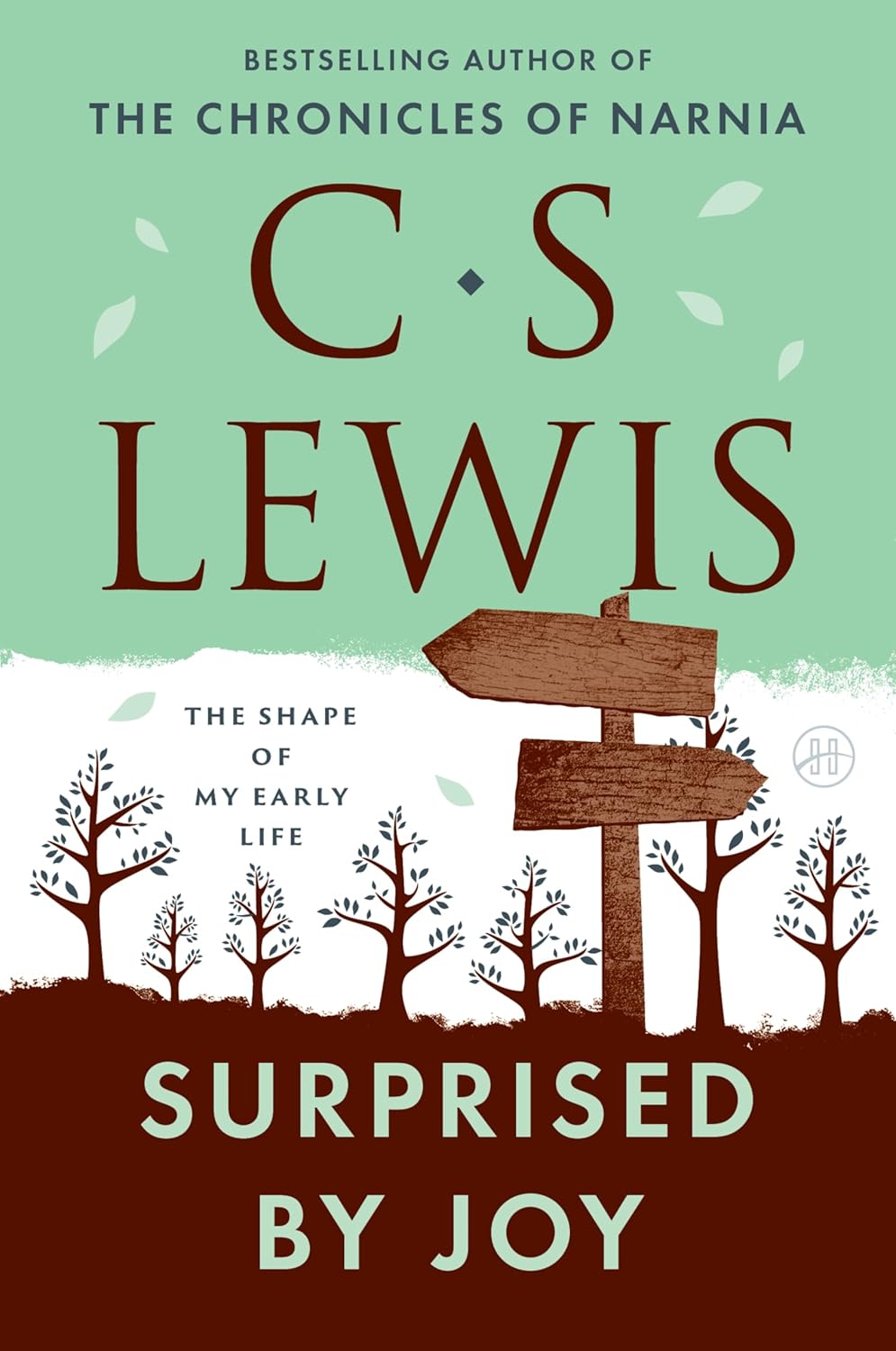
2. Till We Have Faces: A Myth Retold
Best for: Anyone chasing the source of his most quoted line about wandering
His last and, by his own estimate, best novel. The retelling of Psyche and Cupid from the ugly sister’s point of view, and the book that holds the huge-world passage quoted on this page.
Check Price on Amazon →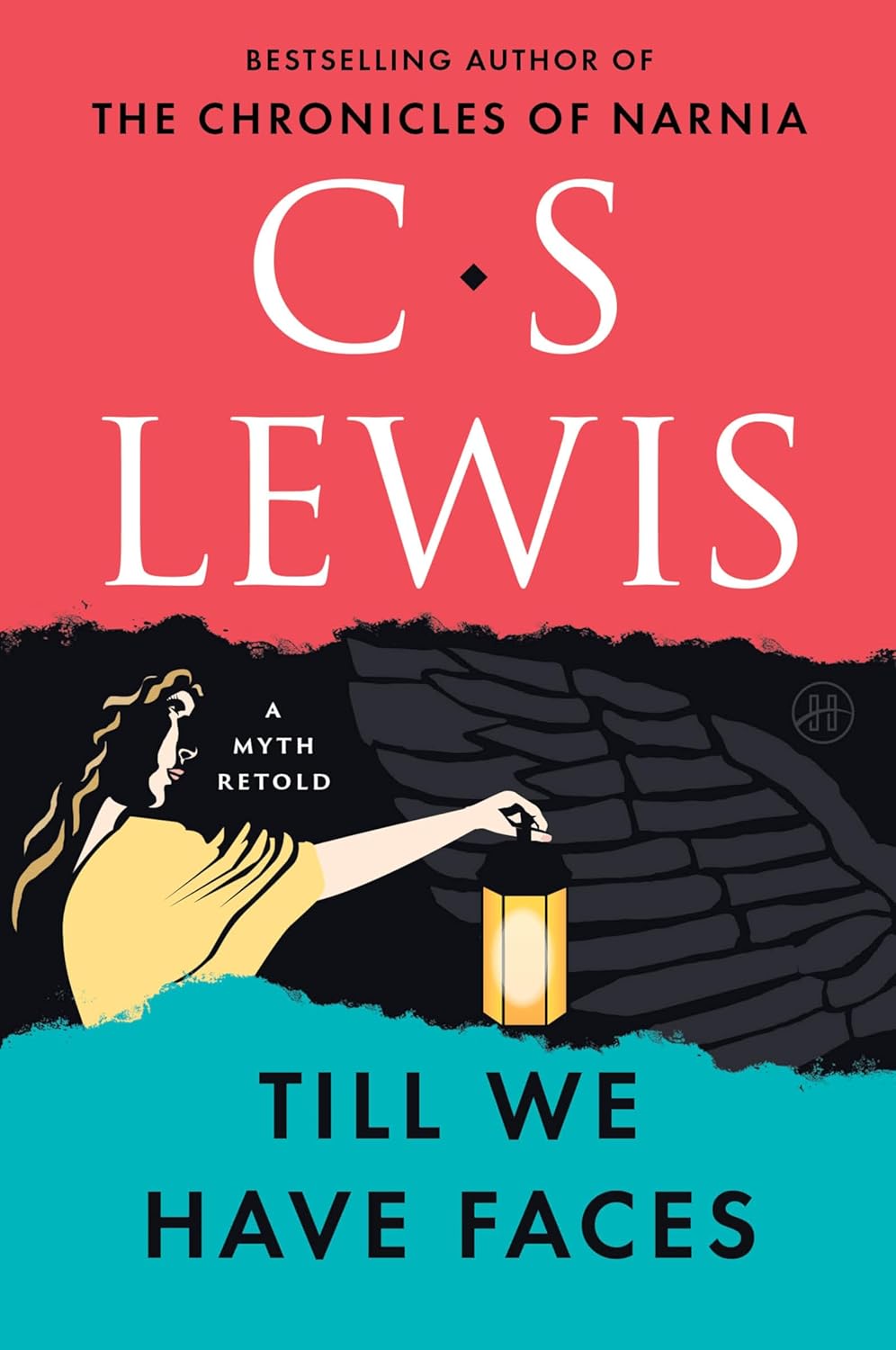
3. The Chronicles of Narnia 7 Books Collection Box Set
Best for: Reading the voyages themselves, from the wardrobe to the utter East
All seven chronicles in one paperback box: the wardrobe crossing, the desert trek of The Horse and His Boy, the Dawn Treader’s voyage east and the final cry of further up and further in.
Check Price on Amazon →
4. The C.S. Lewis Signature Classics (8-Volume Box Set)
Best for: Building the full Lewis shelf in one purchase
Eight of the major non-fiction works in one set, including Mere Christianity, The Screwtape Letters, The Great Divorce and The Four Loves. The deep catalogue behind the quotes.
Check Price on Amazon →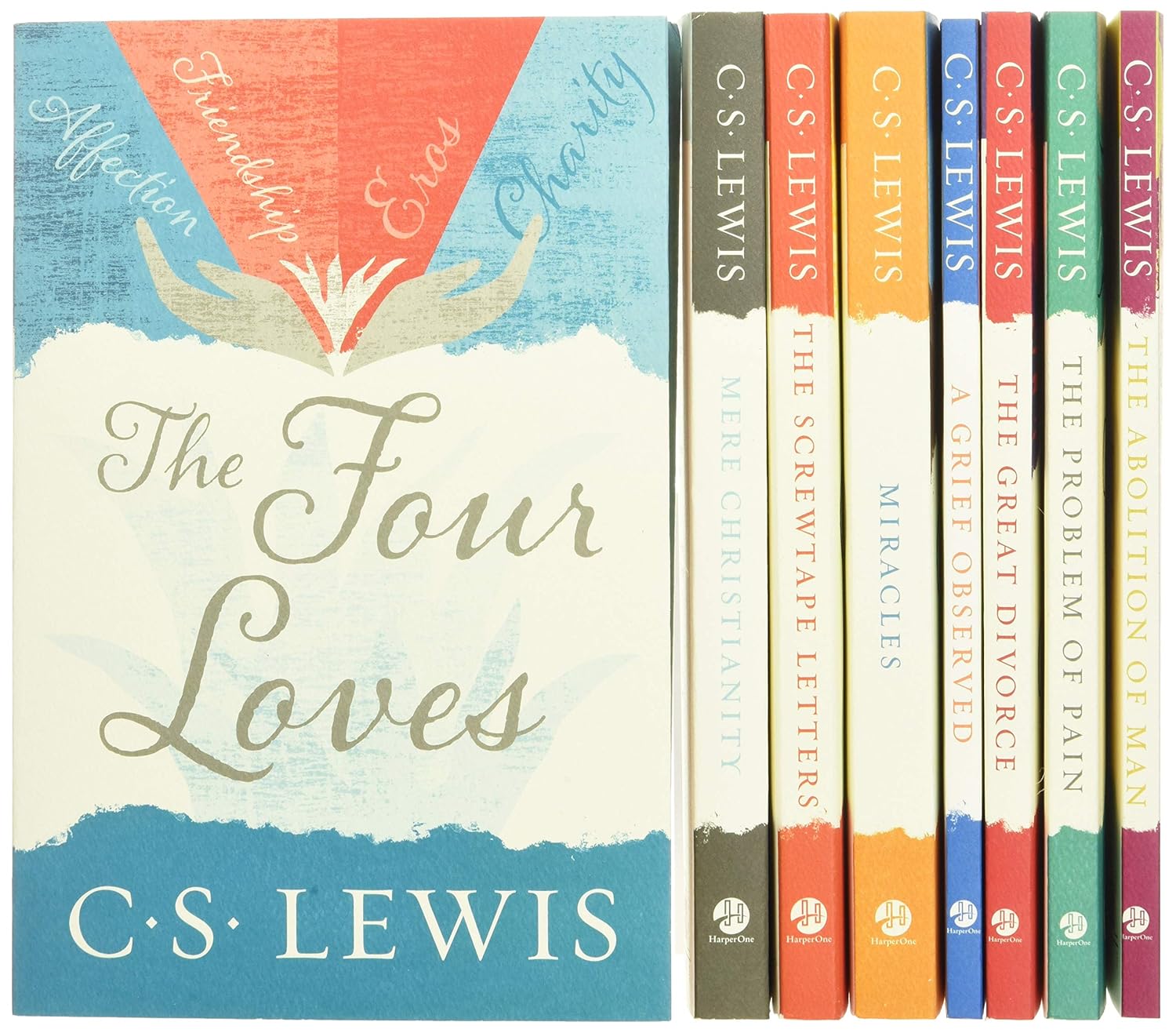
5. The Chronicles of Narnia Complete Audio Collection
Best for: Long drives and flights, read by a cast including Kenneth Branagh and Patrick Stewart
The unabridged audio of all seven chronicles, more than 33 hours of it. The rare case where the format fixes the irony: Lewis’s journeys, consumed while actually travelling.
Check Price on Amazon →
An honest stocking note from our editors: the biographies sit outside our verified product slate this round, so they get names instead. Alister McGrath’s C.S. Lewis: A Life and George Sayer’s Jack: A Life of C.S. Lewis are the two worth seeking out by title if you want the life behind the lines.
Lewis’s Travel Philosophy in His Own Words
Lewis never wrote a travel philosophy; he wrote a defence of distance. It sits in Chapter 10 of Surprised by Joy (1955), in a passage about growing up without a car: “I number it among my blessings that my father had no car, while yet most of my friends had… The deadly power of rushing about wherever I pleased had not been given me. I measured distances by the standard of man, man walking on his two feet, not by the standard of the internal combustion engine.” (hjkeen.net)
The argument lands two sentences later, in the line quoted below the way it deserves: modern transport annihilates space, and space was the gift. A hundred fast miles deliver less liberation, pilgrimage and adventure than ten slow ones. You do not have to agree to feel the sting of it every time an airport moves you a continent without letting you experience a single mile. For Lewis the value of a journey was the longing it carried, the thing he called Joy, an inconsolable ache that no arrival ever quite satisfied. That is why his characters are always travelling toward something that keeps receding: the utter East, the Grey Mountain, further up and further in.
Memorable C.S. Lewis Quotes by Theme
The Longing to Wander
The sight of the huge world put mad ideas into me, as if I could wander away, wander forever, see strange and beautiful things, one after the other to the world's end.
— C.S. Lewis Till We Have Faces (1956), Part I Orual on the mountain road, feeling the world open for the first time. The most quoted genuine Lewis line about travel, and it belongs to a character who has barely left her city. The longing is the journey.
The truest and most horrible claim made for modern transport is that it 'annihilates space.' It does. It annihilates one of the most glorious gifts we have been given.
— C.S. Lewis Surprised by Joy (1955), Chapter 10, 'Fortune's Smile' The anti-speed argument that fuels half the slow-travel movement without credit. Distance, for Lewis, was not an obstacle between you and the destination. It was the holiday.
I had not been allowed to deflower the very idea of distance; in return I possessed 'infinite riches' in what would have been to motorists 'a little room.'
— C.S. Lewis Surprised by Joy (1955), Chapter 10, 'Fortune's Smile' The same chapter, one thought earlier. Ten walkable miles held more world for the boy without a car than a hundred drivable ones held for his friends. Every advocate of slow travel has been paraphrasing this ever since.
Journeys to the Edge of the Map
While I can, I sail east in the Dawn Treader. When she fails me, I paddle east in my coracle. When she sinks, I shall swim east with my four paws.
— C.S. Lewis The Voyage of the Dawn Treader (1952), Chapter 14 Reepicheep the mouse, stating the most committed travel itinerary in children's literature. Lewis gave his smallest character the largest longing in all of Narnia.
Further up and further in!
— C.S. Lewis The Last Battle (1956), Chapter 15, which carries the line as its title The rallying cry of the final chronicle, where arriving somewhere wonderful is treated as a reason to keep going. As close as Lewis ever came to a travel slogan, and he saved it for the last pages he wrote of Narnia.
The Lines He Never Wrote
Some journeys take us far from home. Some adventures lead us to our destiny.
— Commonly misattributed to C.S. Lewis No Lewis source. Appears in none of his books, essays or published letters The most shared ‘Lewis’ travel quote online. No source carrying it cites a book or chapter, and its circulation begins in the 2000s alongside the Narnia film era, not in anything Lewis wrote. A marketing-flavoured line wearing a famous name.
You are never too old to set another goal or to dream a new dream.
— Commonly misattributed to C.S. Lewis No Lewis source. Quote Investigator traces the earliest documented uses to motivational speaker Les Brown in the 1980s A staple of graduation cards in Lewis's name that appears nowhere in his work. Quote Investigator's audit found no trace of it before the modern motivational circuit.
A sourcing note, because this page exists to be the accurate one and our editorial standards demand receipts: both fakes above follow the classic pattern that attribution checkers at Quote Investigator and WIST document across famous names. A line sounds vaguely like the author’s themes, gets pasted onto a poster with their face, and inherits the credibility. Lewis’s standing makes it worse, because his verified lines about journeys are stronger than either invention. When you cannot find a book, a chapter or a letter under a quote, treat the attribution as decoration, not evidence. More on how we verify lives at our about us page.
For the full canon in context, browse the 100 best travel quotes mega-pillar, where the huge-world line holds down the longing end of the list.
Other Voices in Imagination and Wonder
Frequently Asked Questions about C.S. Lewis
What was C.S. Lewis's most famous travel quote?
His most quoted genuine travel line is from Till We Have Faces (1956): ‘The sight of the huge world put mad ideas into me, as if I could wander away, wander forever, see strange and beautiful things, one after the other to the world’s end.’ The lines most often shared in his name, about journeys leading to destiny, are not his.
Did C.S. Lewis say ‘Some journeys take us far from home’?
No. The line appears in none of his books, essays or published letters, and no source carrying it cites a book or chapter. It began circulating in the 2000s alongside the Narnia films and became a ‘Lewis quote’ through repetition on posters and quote sites.
Did C.S. Lewis actually travel?
Remarkably little. He moved between Ireland and England, served in the trenches in France in the First World War, and made one trip to Greece with his wife Joy Davidman in 1960, the only time he willingly left the British Isles for pleasure. His preferred travel was on foot: long walking tours through the English and Irish countryside.
What are C.S. Lewis's best books for travellers?
Start with Surprised by Joy (1955) for his travel philosophy in his own voice, then Till We Have Faces (1956) for the wander passage, then The Voyage of the Dawn Treader (1952) for the journey east. The boxed Chronicles of Narnia collects all seven voyages in one set.
What did C.S. Lewis say about modern transport?
In Chapter 10 of Surprised by Joy he wrote: ‘The truest and most horrible claim made for modern transport is that it ‘annihilates space.’ It does. It annihilates one of the most glorious gifts we have been given.’ His argument was that speed strips the liberation, pilgrimage and adventure out of distance.
C.S. Lewis’s Lasting Legacy for Travellers
Lewis’s gift to travellers is permission to value the longing as much as the trip. He is the patron saint of everyone who has stared at a map and felt the ache of it, the writer who argued that ten miles walked beat a hundred miles driven, and proof that the size of a life is not measured in passport stamps. The man who barely left Britain built worlds that half the planet still wants to visit; the wardrobe at The Kilns is now a pilgrimage site, and Belfast and Oxford both run tours of his haunts, which is its own punchline. If you only read one of his works for the travel in it, make it Surprised by Joy. More sourced voices are waiting in our author bio library.