Robert Frost: Travel Quotes, the Misread Road, and the Lines He Actually Wrote
Verified Robert Frost travel quotes sourced to book and year, the famous misreading corrected with the poem's own words, the viral fakes flagged honestly, and the five books worth owning.
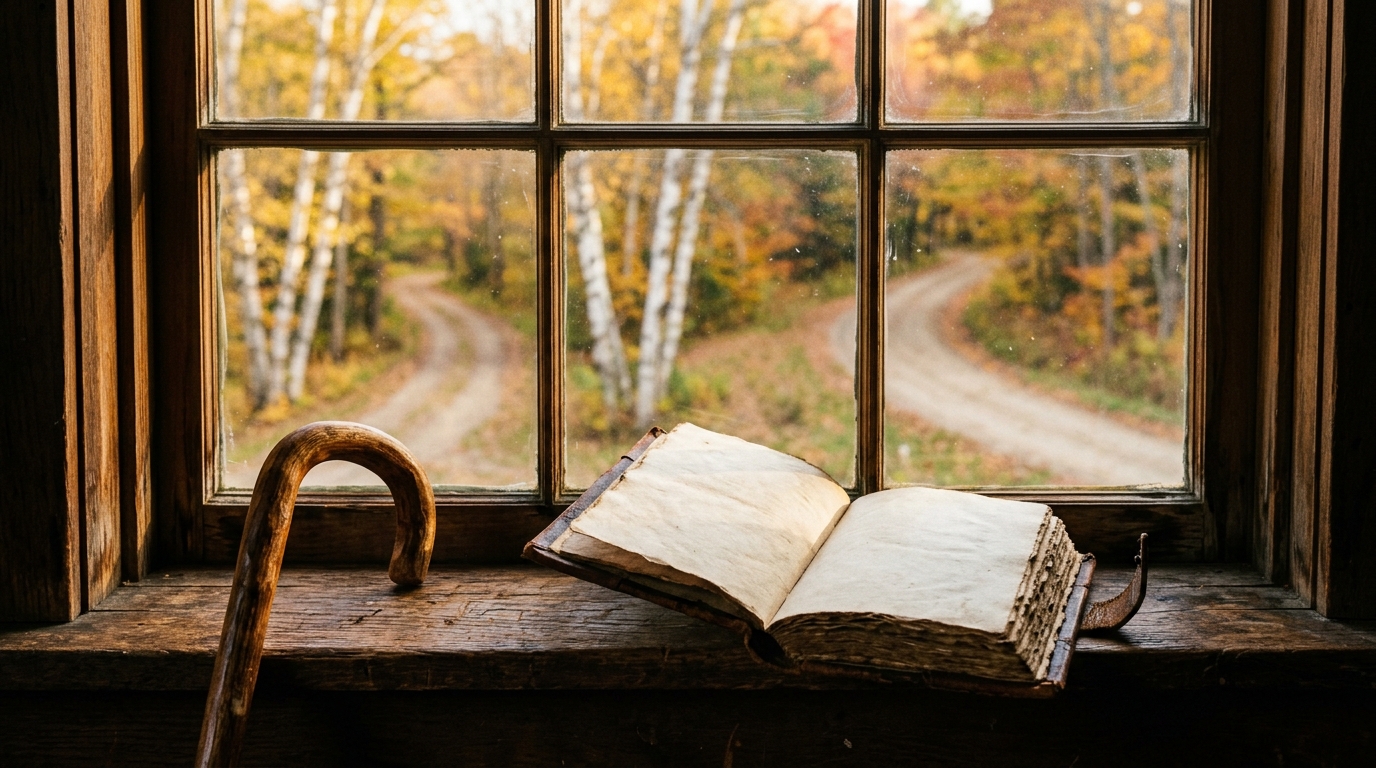
Search for travel quotes and Robert Frost is everywhere: the road less traveled on trailhead signs, graduation cards and airline ads, sold as an anthem for bold souls who refuse the crowd. Here is the thing, and the reason this page exists: the poem says almost the opposite. Read “The Road Not Taken” to line ten and Frost tells you the two roads were worn “really about the same.” He wrote it in 1915 as a gentle tease of his walking companion Edward Thomas, who sighed over whichever path they did not take, and he warned audiences at his readings to be careful with it. The deeper irony is better still. America’s poet of stone walls and snowy woods was born in San Francisco, and he only became Robert Frost by leaving: at 38 he sold his New Hampshire farm, sailed for England with his wife and four children, and got published in London before any American press would take him. So this page does the sourcing properly. Every quote below is either a verified line with a real source or flagged honestly as a fake, and the five books worth owning are here with their receipts.
Early Life: A Californian Becomes New England’s Poet
The poet of birch trees and stone walls was born in San Francisco on 26 March 1874, and named Robert Lee Frost after the Confederate general. His first journey was the one that made everything else possible, and it was a grief trip: when his father died of tuberculosis in 1885, his mother took the family across the continent to Lawrence, Massachusetts. Frost graduated co-valedictorian of Lawrence High School in 1892, sharing the honour with Elinor White, whom he married three years later. He lasted weeks at Dartmouth and two years at Harvard, took no degree from either, and in 1900 settled into the life the poems would later mythologise: a poultry farm in Derry, New Hampshire, bought by his grandfather. Eleven years of farming and teaching produced a drawer full of poems and almost no recognition. “Two roads diverged in a yellow wood, and sorry I could not travel both and be one traveler, long I stood,” he would write a few years later, and by 1911 he was done standing. What happened next is the least Frost-like move in the Frost legend.
The England Gamble and the Walk That Made the Poem
In 1912, aged 38, Frost sold the Derry farm and bet everything on poetry: he sailed for England with Elinor and their four children and rented a cottage in Beaconsfield, later moving to Dymock in Gloucestershire. The gamble paid out almost immediately. A small London publisher, David Nutt, brought out A Boy’s Will in 1913 and North of Boston in 1914, which means the most American of poets was published in England before America. Ezra Pound wrote the first significant review. And in Gloucestershire Frost found the friendship of his life: the writer Edward Thomas, with whom he took long walks through the countryside. Thomas was a chronic ditherer on those walks, always regretting whichever path they had not taken, and Frost filed the habit away. When war closed England in, the family sailed home in February 1915, and Frost mailed a new poem back to Thomas as a private joke about those walks. Thomas read it straight, as nearly everyone since has. The poem was “The Road Not Taken,” and it opened Mountain Interval in 1916. Frost spent the rest of his life watching audiences take the tease at face value, telling them it was a tricky poem, very tricky. David Orr, who wrote a whole book about the misreading, calls it the poem everyone loves and almost everyone gets wrong. The rest is the resume of a national monument: a farm in Franconia, four Pulitzers between 1924 and 1943, the first four-time winner, and at 86 the inauguration of John F. Kennedy, where sun glare blinded him mid-poem and he recited “The Gift Outright” from memory instead. At 88 he flew to the USSR and met Khrushchev. The homestead poet kept a remarkable passport.
Robert Frost’s Best Books and Editions
1. The Poetry of Robert Frost: The Collected Poems (ed. Edward Connery Lathem)
Best for: First-time readers who want every poem on this page in one paperback
The standard one-volume Frost: all eleven books, including Mountain Interval and New Hampshire, the homes of the road poem and the snowy woods. Every verified quote on this page is checkable against it.
Check Price on Amazon →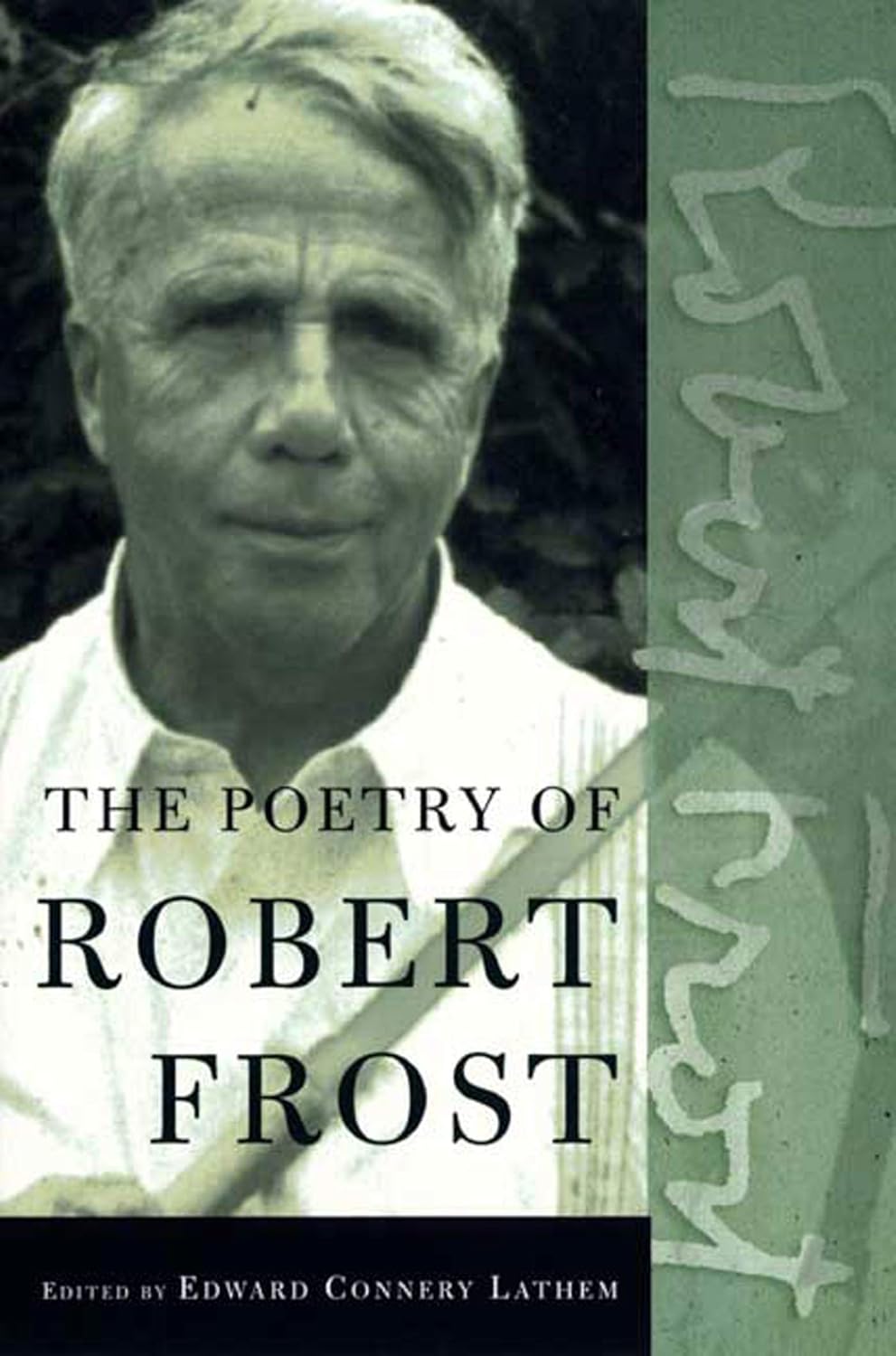
2. The Road Not Taken: Finding America in the Poem Everyone Loves and Almost Everyone Gets Wrong by David Orr
Best for: Readers who came for the real story behind the road less traveled
A poetry critic’s whole book on one poem: how a tease between Frost and Edward Thomas became America’s favourite self-help slogan, and what the poem actually says. The receipts behind this page’s lead correction.
Check Price on Amazon →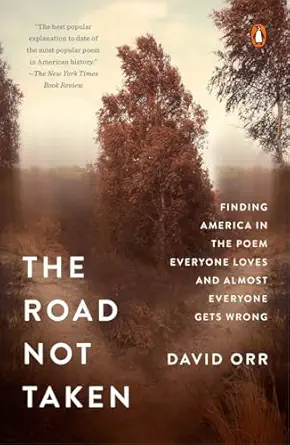
3. Robert Frost: Collected Poems, Prose, and Plays (Library of America)
Best for: Anyone ready to own the whole shelf in one archival volume
Every poem plus the prose and plays most readers never meet, in the Library of America edition that outlasts its owner. The letters and talks here are where Frost’s own warnings about the road poem live.
Check Price on Amazon →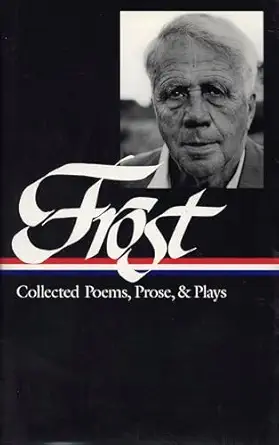
4. Robert Frost: A Life by Jay Parini
Best for: Readers who want the life behind the lines, England gamble and all
Parini’s biography is the fair-minded standard account: San Francisco, the Derry farm, the England years with Edward Thomas, the Pulitzers, the inauguration. It also rescues Frost from the caricature of the cuddly farmer poet.
Check Price on Amazon →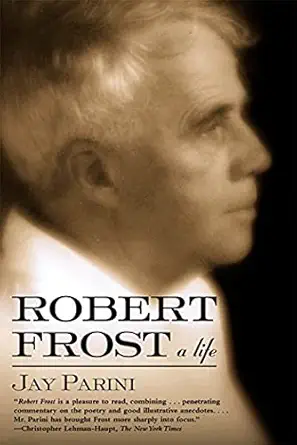
5. Poems by Robert Frost: A Boy's Will and North of Boston (Signet Classics)
Best for: Proof of the gamble: the two books London published first, for pocket money
The two collections that came out of the England years in one inexpensive paperback, including “The Death of the Hired Man” and “A Servant to Servants.” The best way out is always through: it starts here.
Check Price on Amazon →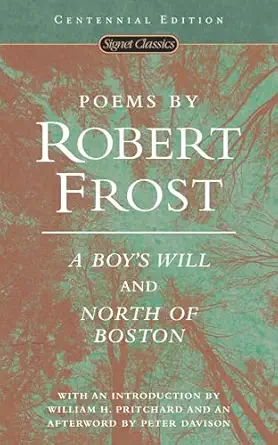
His Travel Philosophy: Promises to Keep
Frost’s travel philosophy fits in the gap between two of his most famous lines. The woods are lovely, dark and deep: that is the pull, the road, the romance of elsewhere. But I have promises to keep: that is the counterweight, the farm, the family, the work. Nearly everything he wrote about roads and journeys lives in that tension. He is not the poet of wanderlust and he is not the poet of staying home; he is the poet of standing at the fork, knowing the choice matters less than the story you will tell about it later, and choosing anyway.
That is the real lesson of the road poem, and it is sharper than the poster version. The speaker admits the two roads were worn “really about the same,” then predicts that years from now he will be telling it “with a sigh” as the brave choice that made all the difference. Frost is not celebrating the bold path; he is smiling at the way travellers, which is to say all of us, edit our journeys into destiny after the fact. Anyone who has retold a missed train as the best thing that ever happened to them already understands the poem perfectly.
And yet his own life argues both sides. The England move was a genuine road-less-traveled gamble, everything sold and an ocean crossed on no evidence, and it worked. He shares that double position with the other great voices of the fork in the road: Ralph Waldo Emerson, the New England line before him, warned that travelling is a fool’s paradise and still crossed the Atlantic three times, while Robert Louis Stevenson took the opposite road entirely and travelled for its own sake. Somewhere between the promises and the woods is your next trip.
Memorable Robert Frost Quotes by Theme
The Road, Read Properly
I took the one less traveled by, and that has made all the difference.
— Robert Frost The Road Not Taken, Mountain Interval (1916), closing lines The most quoted travel lines in American poetry, verified and real. The catch is six lines earlier, where the poem admits the two roads were worn "really about the same." The difference is the story we tell afterwards, which is the actual subject of the poem.
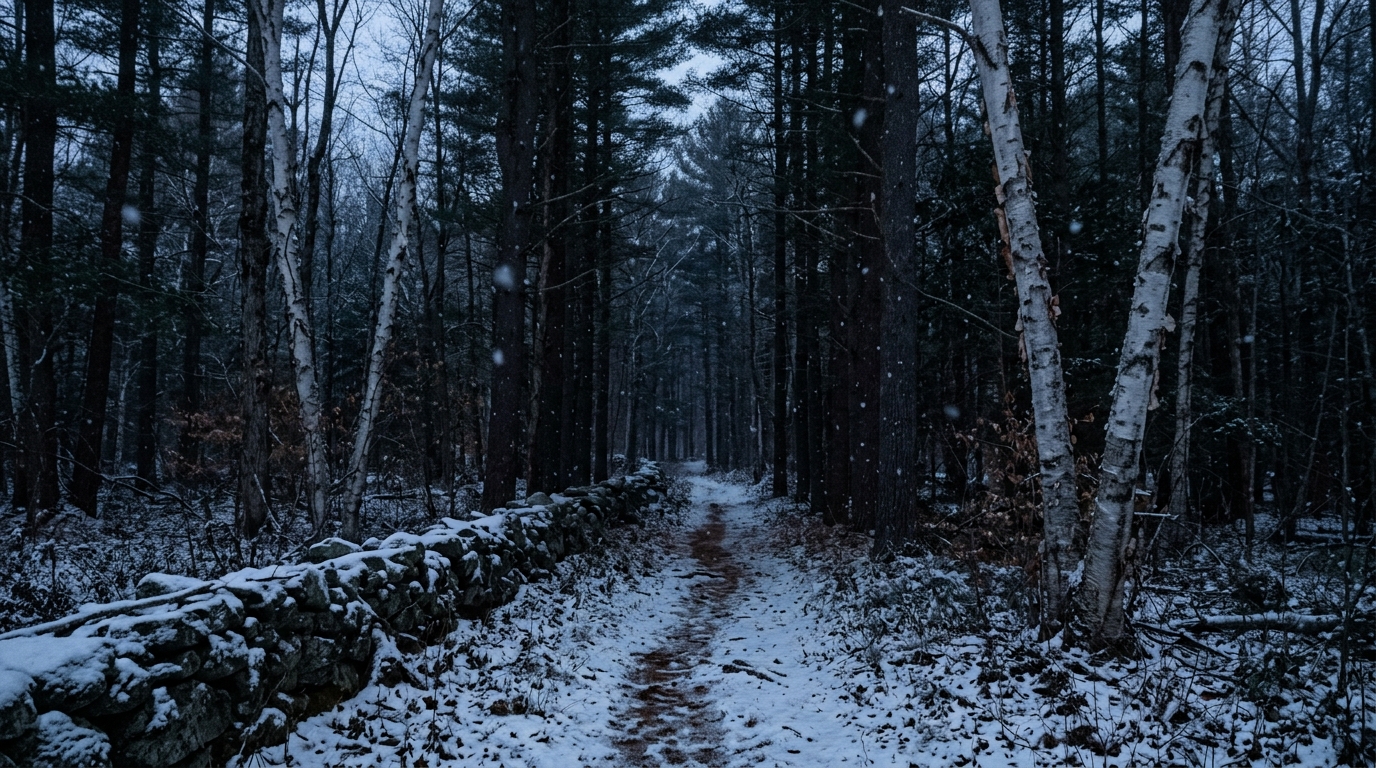
The best way out is always through.
— Robert Frost A Servant to Servants, North of Boston (1914) The mug line that turns out to be real, from a dark monologue in the book the England years produced. Long-haul travellers have been proving it on delayed itineraries ever since.
Miles to Go
The woods are lovely, dark and deep, but I have promises to keep, and miles to go before I sleep.
— Robert Frost Stopping by Woods on a Snowy Evening, New Hampshire (1923) The most beautiful argument ever written for not stopping yet. Frost reportedly drafted it in one sitting after a long night of work, and it answers the People Also Ask box directly: yes, this one is his, word for word.
Home is the place where, when you have to go there, they have to take you in.
— Robert Frost The Death of the Hired Man, North of Boston (1914) The traveller's-return line, spoken by a farmer about a broken hired hand. Every long journey ends in some version of this sentence.
I had a lover's quarrel with the world.
— Robert Frost The Lesson for Today, A Witness Tree (1942); his chosen epitaph The line he picked for his own gravestone at Old Bennington, Vermont. As honest a summary of a travelling life as exists: you fight with the world and you cannot leave it alone.
The Lines He Never Wrote
Do not follow where the path may lead. Go instead where there is no path and leave a trail.
— Attributed to Robert Frost (no source exists) Appears nowhere in his poems, prose or letters; the closest traced origin is Muriel Strode, 1903 The internet credits this one to Frost and to Emerson, and it belongs to neither. It circulates on Frost's name because it sounds like a one-line summary of the road poem, which, as the poem itself points out, it is not.
A sourcing note, because this page exists to be the accurate one and our editorial standards demand receipts: alongside the leave-a-trail fake flagged above, the popular “Freedom lies in being bold” is attribution-only, with no primary source anywhere in Frost’s published poetry or prose. The famous three-word life summary, “it goes on,” is real but second-hand: a reported interview remark from 1954, not a line from his poems, so it stays off the verified list. The pattern is the one we document for the famous misattributed Mark Twain sailing quote: the bigger the legend, the stickier the edit. Frost’s verifiable lines, checkable against the Poetry Foundation’s poem texts and the collected editions above, need no improving.
For the full canon in context, browse the 100 best travel quotes mega-pillar, where the road poem holds down the decisions department.
Other Voices in Travel Wisdom
Frequently Asked Questions about Robert Frost
What did Robert Frost say about travel?
His verified lines on roads and journeys come from the poems: “I took the one less traveled by, and that has made all the difference” (The Road Not Taken, 1916), “The woods are lovely, dark and deep, but I have promises to keep, and miles to go before I sleep” (Stopping by Woods on a Snowy Evening, 1923), and “The best way out is always through” (A Servant to Servants, 1914). All are quoted above with full sources.
What does "the road less traveled" really mean?
Not what the posters say. The poem itself admits the two roads were worn “really about the same”; the speaker simply predicts he will later retell the choice as the brave one that made all the difference. Frost wrote it as a gentle tease of his indecisive walking companion Edward Thomas and warned audiences it was a tricky poem. It is about how we edit our choices into destiny afterwards, not about nonconformity.
Did Robert Frost write "do not follow where the path may lead"?
No. The line appears nowhere in his poems, prose or letters, and it is credited just as confidently to Ralph Waldo Emerson, who did not write it either. The closest traced origin is Muriel Strode in 1903. It sticks to Frost because it sounds like a summary of The Road Not Taken, which the poem’s own text contradicts.
Where is "miles to go before I sleep" from?
From “Stopping by Woods on a Snowy Evening,” published in his Pulitzer-winning collection New Hampshire in 1923. The speaker pauses in dark winter woods, is tempted to stay, and chooses the road and his promises instead. The repeated final line made it one of the most famous endings in American poetry.
What is the best Robert Frost book to start with?
Start with The Poetry of Robert Frost, the Lathem-edited collected poems: every poem quoted on this page is in it. If you mainly came for the road less traveled story, David Orr’s The Road Not Taken is a whole book on the poem and its great misreading, and the inexpensive Signet paperback of A Boy’s Will and North of Boston covers the England years.
Frost’s Lasting Legacy for Travellers
Frost gave travellers the most useful correction in the quote canon: the fork in the road matters less than the honesty of the story you tell about it afterwards. Take the trip, by all means, and take the stranger path if it calls you. Just notice, as he did, how quickly we turn a coin flip into a calling. Read the verified lines, skip the posters, and keep a little of the poet’s smile for your own retellings. More sourced voices are waiting in our author bio library, and our editorial team explains how every line earns its place.