Elizabeth Gilbert: Travel Quotes, Eat Pray Love, and the Journey Worth Any Cost
Verified Elizabeth Gilbert travel quotes sourced to book and year, the books worth reading after Eat Pray Love, and the year across Italy, India and Indonesia that made travel feel like permission.
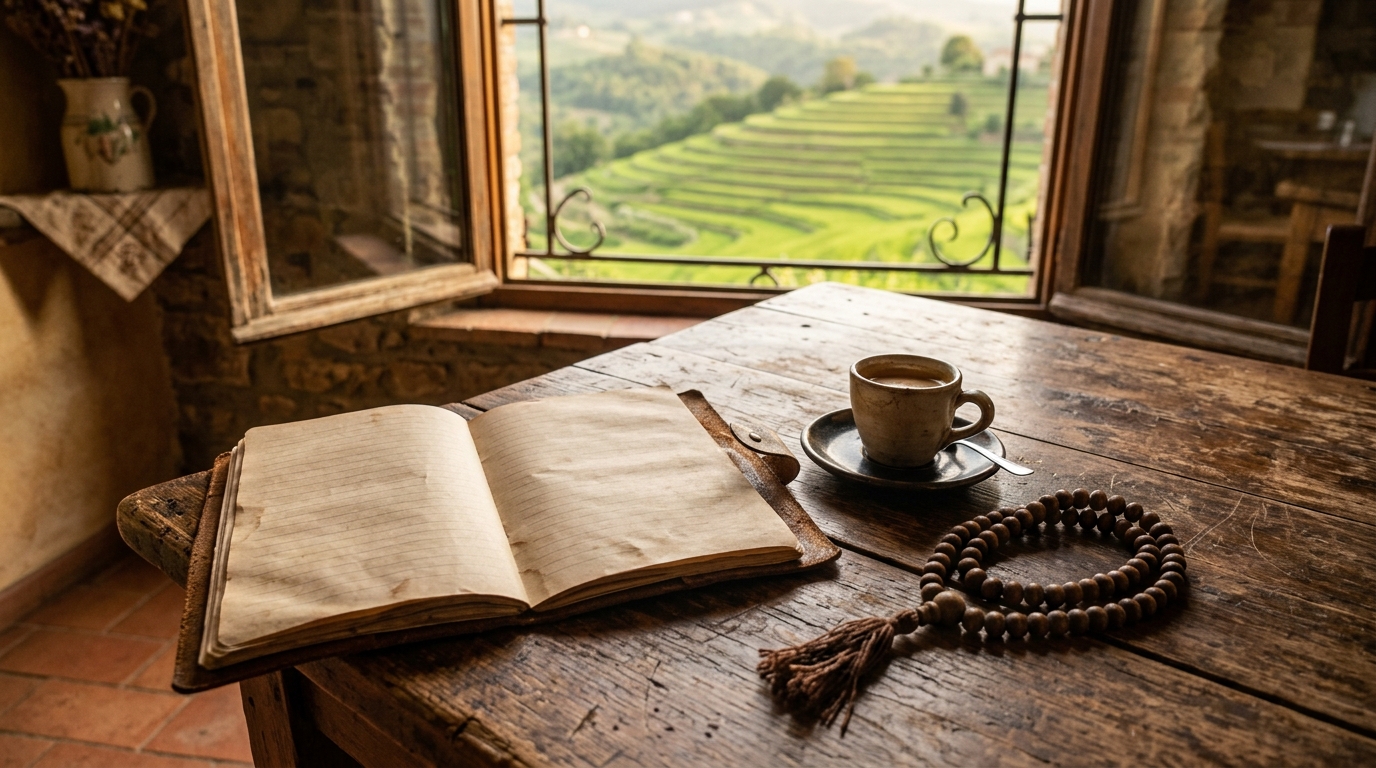
Elizabeth Gilbert wrote the sentence that prices the whole enterprise: travel is worth any cost or sacrifice. She wrote it in Eat, Pray, Love (2006), the memoir of the year she spent eating in Italy, praying in India and finding her balance in Bali after a divorce that left her crying on the bathroom floor at three in the morning. The book sold more than 12 million copies, spent roughly 200 weeks on the New York Times bestseller list, became the 2010 Julia Roberts film, and turned a working magazine journalist into the patron saint of the self-rescue journey. Two decades on, her travel lines are everywhere and their sources almost never are. Goodreads holds the passage, the aggregators trade the fragments, and the film added a line of its own that gets shelved under the book by mistake. This page does it properly: every Elizabeth Gilbert travel quote below is cited to the book it lives in, the film line is credited to the film, and the books that hold the story are here for when a caption is not enough.
Early Life and Roots
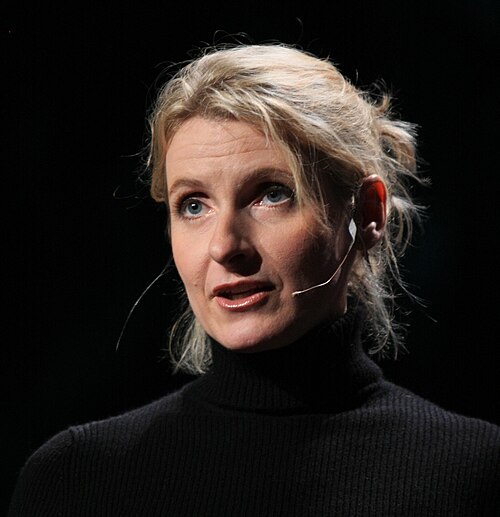
Elizabeth Gilbert was born in Waterbury, Connecticut on 18 July 1969 and raised on a small Christmas tree farm in Litchfield, in a household with no television and a family habit of making things rather than buying them. She has credited that childhood with the two tools that built her career: self-reliance and an enormous amount of time to fill with writing. At sixteen she went to Russia with saved-up babysitting money, the trip she later named as the beginning of her great true love. After NYU she worked the apprenticeship of the 1990s magazine world, cooking in diners and ranches between assignments, until Esquire published her short story Pilgrims in 1993. She wrote for GQ and Spin, and her article about bartending at the Coyote Ugly Saloon became the film Coyote Ugly in 2000, the first proof that her life had a habit of turning into movies.
Career Milestones and the Year That Changed Everything
The credentials came early and they were serious: Pilgrims was a PEN/Hemingway finalist, and The Last American Man, her 2002 biography of the woodsman Eustace Conway, was a National Book Award finalist. Then came the bathroom floor, the divorce, and the deal that funded the cure. In 2004 Gilbert spent roughly four months each in Italy, India and Indonesia, openly financed by her publisher’s advance for the book she planned to write about it. Eat, Pray, Love arrived in 2006 and became a phenomenon: 12 million copies and counting, around 200 weeks on the New York Times bestseller list, and the 2010 film with Julia Roberts. Committed (2010) continued the story with Felipe, the Brazilian-born importer she met in Bali. Her 2009 TED talk on creative genius has passed 20 million views, and Big Magic (2015) turned its argument into a book. The Signature of All Things (2013), her 19th-century botanical voyage novel, and City of Girls (2019) proved the range, and All the Way to the River (2025) brought the candour back to memoir.
Elizabeth Gilbert’s Best Books and Recommended Works
1. Eat, Pray, Love: One Woman's Search for Everything
Best for: Anyone about to book the trip they keep postponing
The memoir that priced the journey: Italy for pleasure, India for devotion, Bali for balance. Twelve million readers later it remains the modern template for travelling your way back to yourself, and the book the hero quote lives in.
Check Price on Amazon →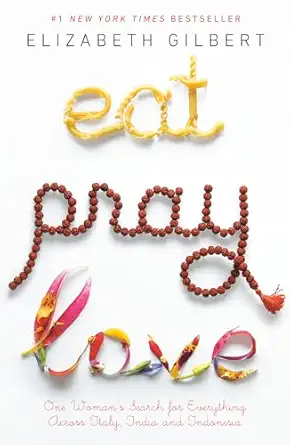
2. Big Magic: Creative Living Beyond Fear
Best for: Readers who need the push more than the itinerary
Her book about fear and starting anyway, grown from the TED talk with 20 million views. Everything it says about beginning a creative project applies word for word to buying the ticket.
Check Price on Amazon →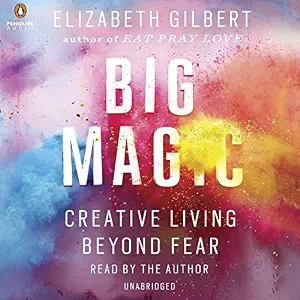
3. The Signature of All Things
Best for: The historical-travel pick: Tahiti by sailing ship
Her great 19th-century novel: a botanist who sails to Tahiti because she has to know. The proof that Gilbert’s travel writing did not end with memoir, and many readers’ favourite of all her books.
Check Price on Amazon →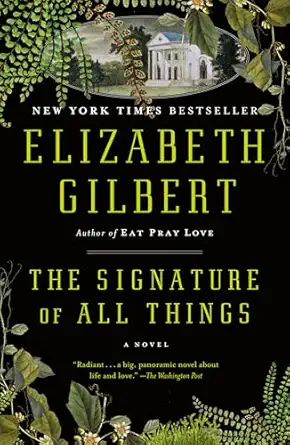
4. City of Girls
Best for: The beach-bag novel with 45,000 five-star arguments
1940s New York, showgirls, and one long glorious life told without apology. Her most reviewed book on Amazon and the one to pack when the holiday itself is the destination.
Check Price on Amazon →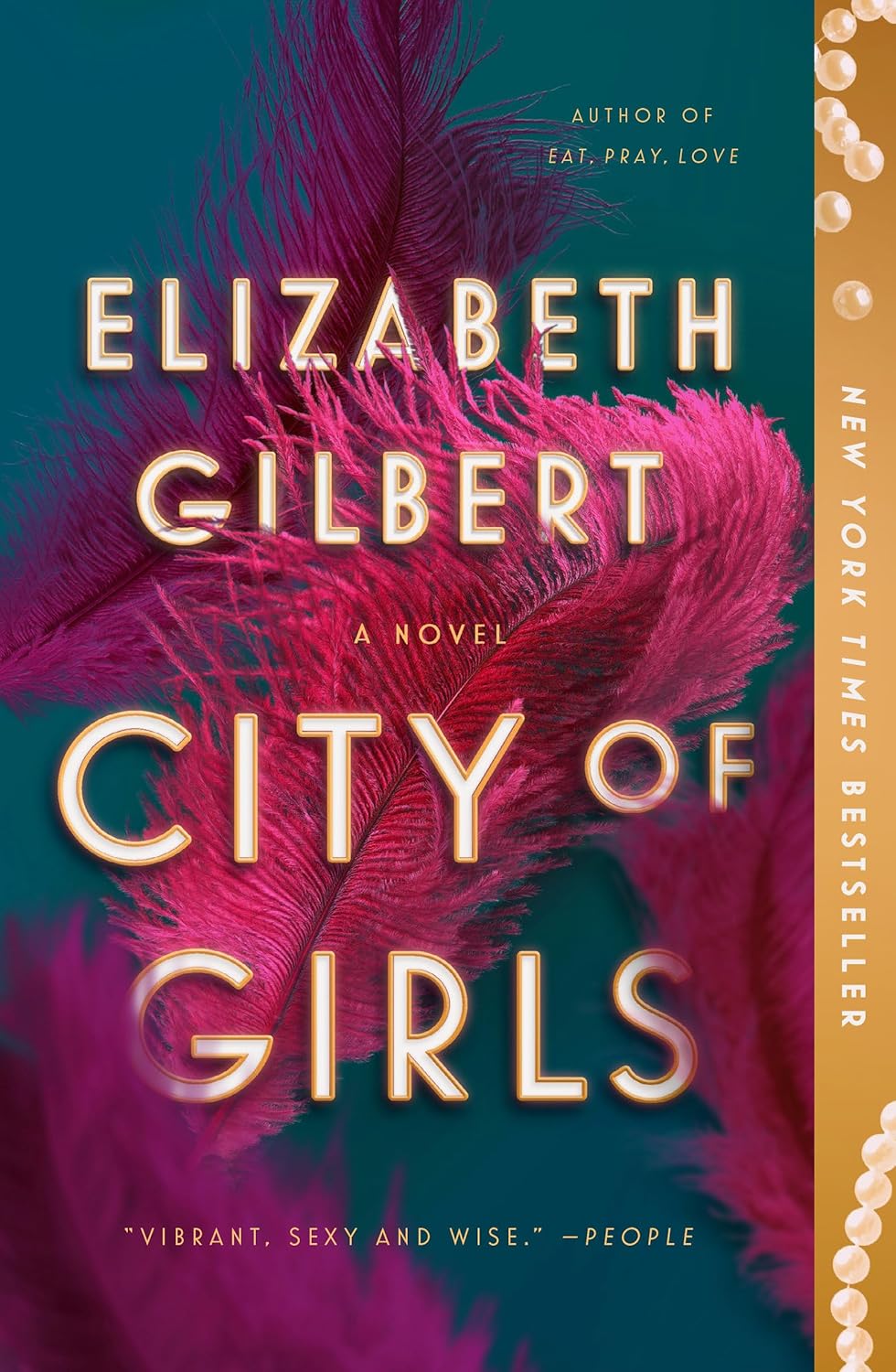
5. Committed: A Skeptic Makes Peace with Marriage (Audiobook)
Best for: The journey after the journey, ideal for long flights
What happened after Bali: Gilbert and Felipe in visa exile across Southeast Asia, arguing their way toward a wedding neither wanted. The honest sequel to Eat, Pray, Love, read by the author.
Check Price on Amazon →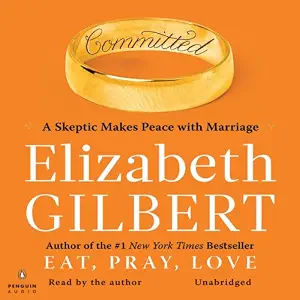
Her Travel Philosophy in Her Own Words
Gilbert’s travel philosophy begins with a declaration of love. The full passage in Eat, Pray, Love (Viking, 2006) is longer and better than the fragment on the mugs: “Traveling is the great true love of my life. I have always felt, ever since I was sixteen years old and first went to Russia with my saved-up babysitting money, that to travel is worth any cost or sacrifice.” Note the receipts. The sixteen-year-old with babysitting money is the point: the love came before the book deal, and the willingness to pay for it is the whole philosophy. She follows it with the confession that makes it human: “I am loyal and constant in my love of travel, as I have not always been loyal and constant in my other loves.”
The second thread is effort. The most practical sentence in the book is the one about happiness: “Happiness is the consequence of personal effort. You fight for it, strive for it, insist upon it, and sometimes even travel around the world looking for it.” That is the architecture of the whole year: Italy, India and Indonesia were not an escape, they were a project with a syllabus. It places her in the modern female-solo lineage alongside Cheryl Strayed, who walked 1,100 miles of the Pacific Crest Trail for her version of the same repair, and it is why her lines anchor so many of the best solo travel quotes. Where the contemplative school, Pico Iyer among them, treats stillness as the destination, Gilbert treats motion as the method.
And the destination was balance, not bliss. The lesson she carries home from her Balinese medicine man closes the loop: “To lose balance sometimes for love is part of living a balanced life.” The journey worth any cost ends by spending its winnings on another person. That refusal to tidy the moral is what separates her from the inspiration-board economy that quotes her, and it is why the book outlived its own backlash. The film, for the record, added its own voiceover about ruin being a gift; that line belongs to the screenplay, not the book, and we file it accordingly below.
Memorable Elizabeth Gilbert Quotes by Theme
Travel Worth Any Cost
Traveling is the great true love of my life. I have always felt, ever since I was sixteen years old and first went to Russia with my saved-up babysitting money, that to travel is worth any cost or sacrifice.
— Elizabeth Gilbert Eat, Pray, Love (Viking, 2006) The most shared travel passage of the 21st century, almost always trimmed to the final clause. This is the full book text, Russia and babysitting money included.
I am loyal and constant in my love of travel, as I have not always been loyal and constant in my other loves.
— Elizabeth Gilbert Eat, Pray, Love (Viking, 2006) The continuation of the famous passage, and the self-deprecating beat the aggregators leave out.
Happiness and Effort
Happiness is the consequence of personal effort. You fight for it, strive for it, insist upon it, and sometimes even travel around the world looking for it.
— Elizabeth Gilbert Eat, Pray, Love (Viking, 2006) The working sentence of the whole memoir. The year in Italy, India and Indonesia was the effort, not the escape.
Balance and Coming Home
To lose balance sometimes for love is part of living a balanced life.
— Elizabeth Gilbert Eat, Pray, Love (Viking, 2006) The closing lesson from her Balinese teacher Ketut, and the book's last word on what the journey was for.
Ruin is a gift. Ruin is the road to transformation.
— Eat Pray Love (2010 film) Screenplay voiceover from the 2010 film adaptation, not Gilbert's book The most common Gilbert misquote. The line was written for the film; her book makes a related argument in different words. We print it here so you know where it actually lives.
A sourcing note, because this page exists to be the accurate one: the ruin line above belongs to the 2010 film’s screenplay, and the line about travel being similar to therapy circulates on quote aggregators with no book citation we could verify, so we do not print it as confirmed. Big Magic lines on fear and creativity also drift online in paraphrased forms; when in doubt, trust the book over the image tile. Quotes coming loose from their sources is an occupational hazard of being this quotable, a story we tell in full in the famous misattributed Mark Twain sailing quote investigation.
For the full canon in context, browse the 100 best travel quotes mega-pillar, where the great-true-love passage anchors the classics.
Other Voices in Modern and Solo Travel Writing
Frequently Asked Questions about Elizabeth Gilbert
What is Elizabeth Gilbert's most famous travel quote?
“Traveling is the great true love of my life… I have always felt that to travel is worth any cost or sacrifice,” from Eat, Pray, Love (Viking, 2006). It almost always circulates without the surrounding sentences about visiting Russia at sixteen with saved-up babysitting money.
Who is Elizabeth Gilbert and what made her famous?
Elizabeth Gilbert (born 1969) is an American author and journalist who wrote for Esquire, GQ and Spin before Eat, Pray, Love (2006) sold more than 12 million copies and became the 2010 Julia Roberts film. She was a National Book Award finalist before the memoir, and her later books include Big Magic, The Signature of All Things and City of Girls.
What should I read after Eat, Pray, Love?
Committed picks up the story directly, with Gilbert and Felipe travelling Southeast Asia while waiting on a US visa. Big Magic is her book about fear and starting anyway, The Signature of All Things is her great 19th-century voyage novel, and City of Girls shows the range beyond memoir.
Is "Ruin is a gift" a real Elizabeth Gilbert quote?
It comes from the 2010 film adaptation of Eat Pray Love, not from Gilbert’s book. The line is screenplay voiceover, so the careful attribution is to the film. Her book makes a related argument in different words.
Did the Eat Pray Love journey really happen?
Yes. Gilbert spent roughly four months each in Italy, India and Indonesia in 2004, funded by her publisher’s advance for the book she planned to write about it. She has been open about that arrangement, which is part of why the book reads as honestly as it does.
Gilbert’s Lasting Legacy for Travellers
Gilbert’s gift to travellers is the permission structure. Before Eat, Pray, Love, the long self-funded journey was a gap-year rite or a midlife crisis; after it, a generation of women treated a season abroad as legitimate repair work, and the tourism boards of Bali and Rome have been collecting the dividend ever since. She also modelled the honest version: the trip was paid for, the ending was complicated, and the balance she found included losing it for love. If you read one of her books, make it Eat, Pray, Love. If you are building a shelf for the road, start with our guide to the best books for solo travelers, then browse the rest of our author bio library for travel wisdom with its sources intact.