Rick Steves: Travel Quotes, Best Books, and Why Fear Is for People Who Don't Get Out Much
Verified Rick Steves travel quotes sourced to book and year, the five books worth packing first, and the Back Door philosophy that built America's most trusted travel voice.

Rick Steves is the most trusted travel voice in America, and the most quietly radical. For more than four decades the guidebook writer from Edmonds, Washington has made the same argument in print, on public television and over the radio: travel is not a luxury performance, it is a learnable skill and a civic act that sends you home a better citizen of the world. Where Paul Theroux boards the long train to be alone with his notebook and Bill Bryson gets gloriously lost, Steves packs one carry-on, finds the back door, and comes home arguing that the best souvenir is a wider view. His lines circulate constantly and get sourced almost never; the aggregator sites mix his book passages with interview remarks and credit none of them. This page does it properly. Every Rick Steves travel quote below is cited to book, year and publisher where it belongs to one, the famous fear line gets its correct source on the record, and the five books that earned a lifetime of trust are here when you want the full course.
Early Life and Roots
Richard John Steves Jr. was born on 10 May 1955 and grew up in Edmonds, Washington, just north of Seattle, where his father imported and repaired pianos. The piano business, improbably, built the travel writer: in 1969 his parents took the 14-year-old along on a trip to Europe to visit piano factories, and the kid who did not particularly want to go came home changed. He went back at 18 on his own savings, and in 1978, at 23, made the journey that set the course of his life: overland from Istanbul to Kathmandu along the hippie trail with his friend Gene Openshaw, keeping the journal that would surface almost five decades later as On the Hippie Trail (2025). Back home he taught travel skills classes at a Seattle-area experimental college, gave piano lessons, and in 1980 self-published a slim handbook of everything the classes covered. He called it Europe Through the Back Door. It has not been out of print since.
Career Milestones and Travel Writing
What followed is one of the great slow builds in travel publishing. The self-published handbook became a perennial bestseller across more than 40 editions and spawned the most useful shelf in the genre: country-by-country guides to Italy, France, Spain, Germany, Britain and a dozen more, all anchored to the same back-door doctrine of packing light, spending less and meeting people. Public television came calling in 1991 with Travels in Europe with Rick Steves, relaunched in 2000 as Rick Steves’ Europe, still running and still closing with the same two words: keep on travelin’. The radio show Travel with Rick Steves followed, then a tour company based in his hometown of Edmonds that now takes tens of thousands of travellers through Europe every year. In 2009 he wrote the book that says what all the guidebooks were quietly arguing: Travel as a Political Act (Nation Books), his case for travel as engaged citizenship rather than escape. He announced a prostate cancer diagnosis in 2024, was treated, and went straight back to filming and guiding. In 2025 he published his 1978 hippie-trail journal unedited, a 23-year-old’s field notes from the road that built everything since.
Rick Steves’ Best Books and Recommended Works
1. Rick Steves Europe Through the Back Door
Best for: First-time Europe travellers and anyone who wants the full travel-skills course
The cornerstone, in print since 1980 and updated ever since. Forty-plus years of pack-light, skip-the-lines, meet-the-locals craft in one book. Less a guidebook than a worldview with packing advice.
Check Price on Amazon →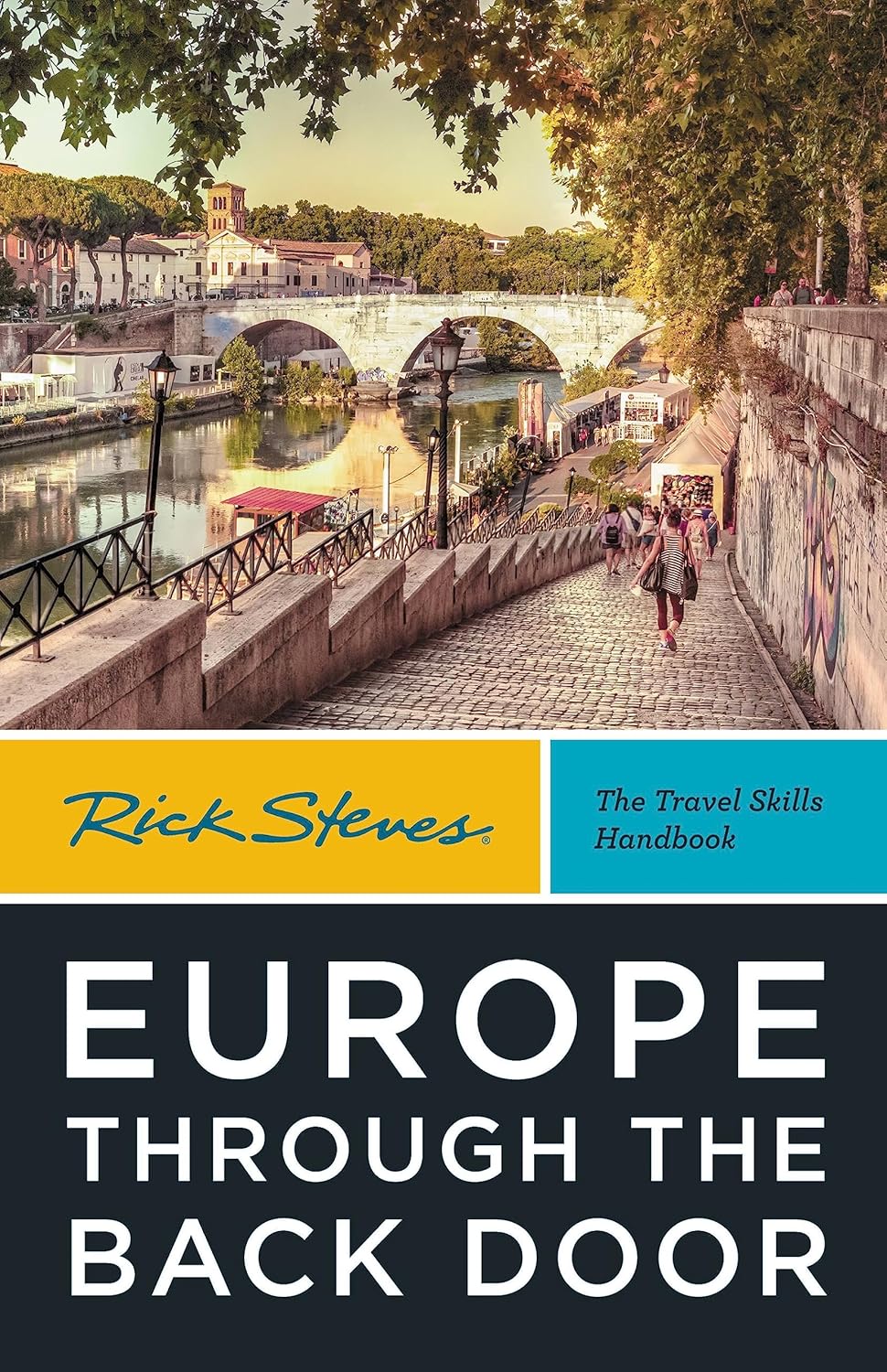
2. Travel as a Political Act
Best for: Readers who want the philosophy behind the guidebooks
His 2009 argument that travel is engaged citizenship, drawn from trips to Iran, El Salvador, the Holy Land and beyond. The home of the fear quote that tops this page, and the best answer in print to the question of why travel at all.
Check Price on Amazon →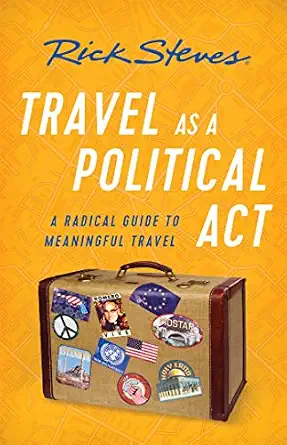
3. On the Hippie Trail: Istanbul to Kathmandu and the Making of a Travel Writer
Best for: Anyone curious how a 23-year-old piano teacher became America's travel guide
His 1978 overland journal from Istanbul to Kathmandu, published unedited in 2025. Buses, border crossings and a young traveller discovering the wider world that would become his life’s work.
Check Price on Amazon →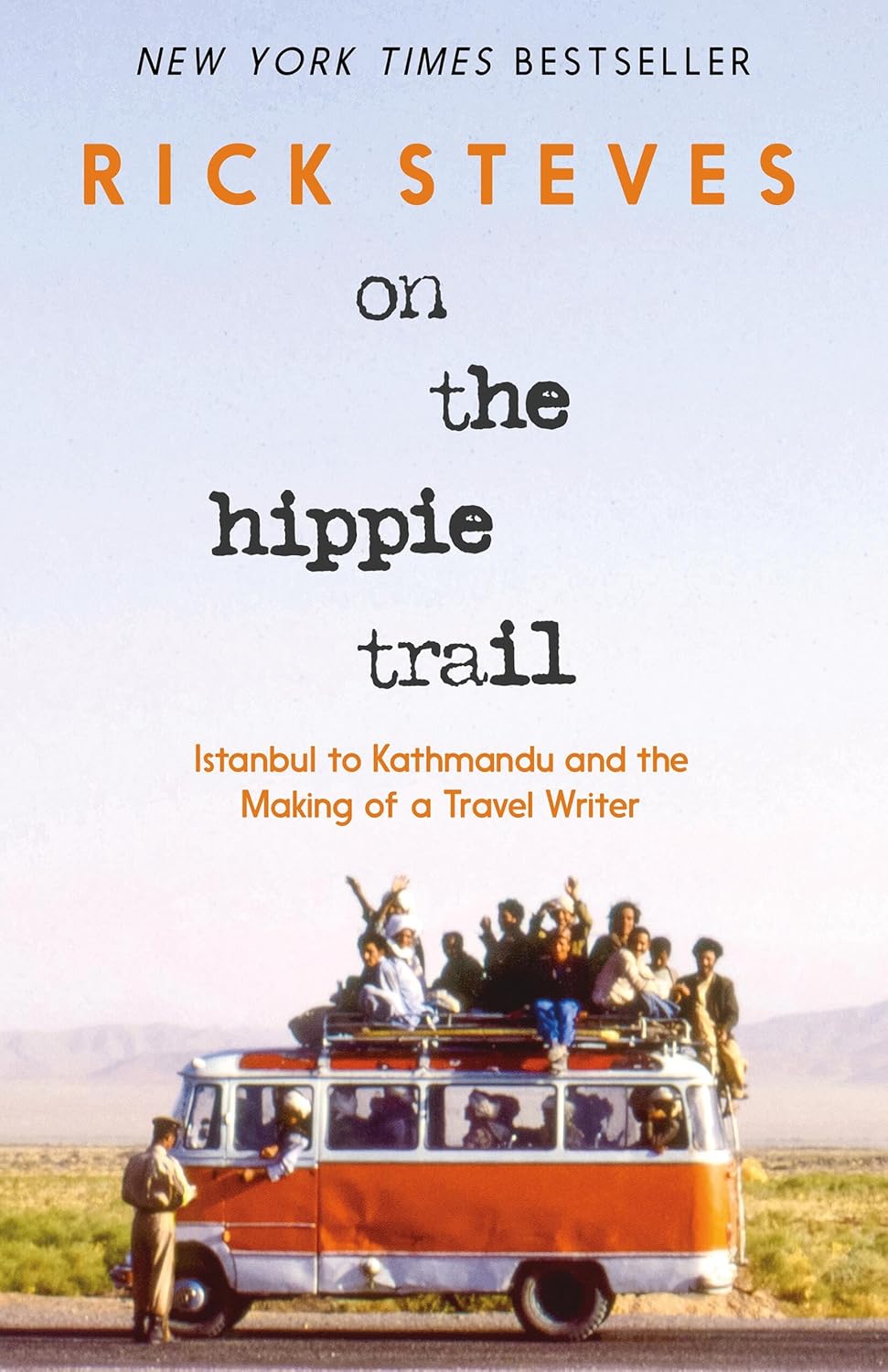
4. Rick Steves Italy
Best for: First trips to Italy, or second trips done properly
The flagship of his 20-plus country guides and the single most useful book on Italy for first-timers. Rome, Florence, Venice and the hill towns with self-guided walks, ranked sights and the back-door alternatives.
Check Price on Amazon →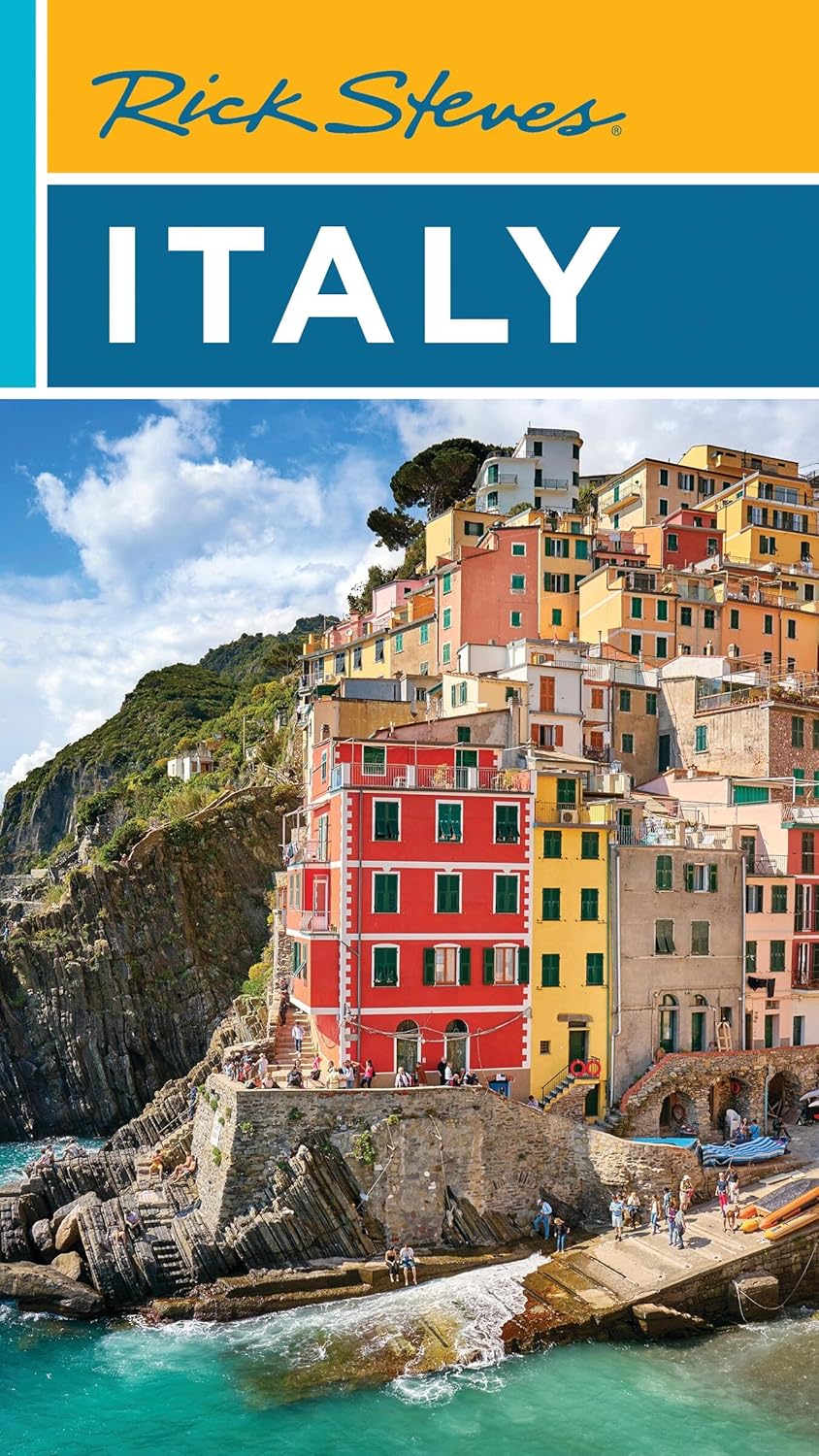
5. Rick Steves Best of Europe
Best for: Multi-country first trips and anyone planning the classic grand tour
The best of his country guides distilled into one itinerary-shaped volume. England to Italy via Paris, the Alps and Germany, sequenced the way he would actually route the trip.
Check Price on Amazon →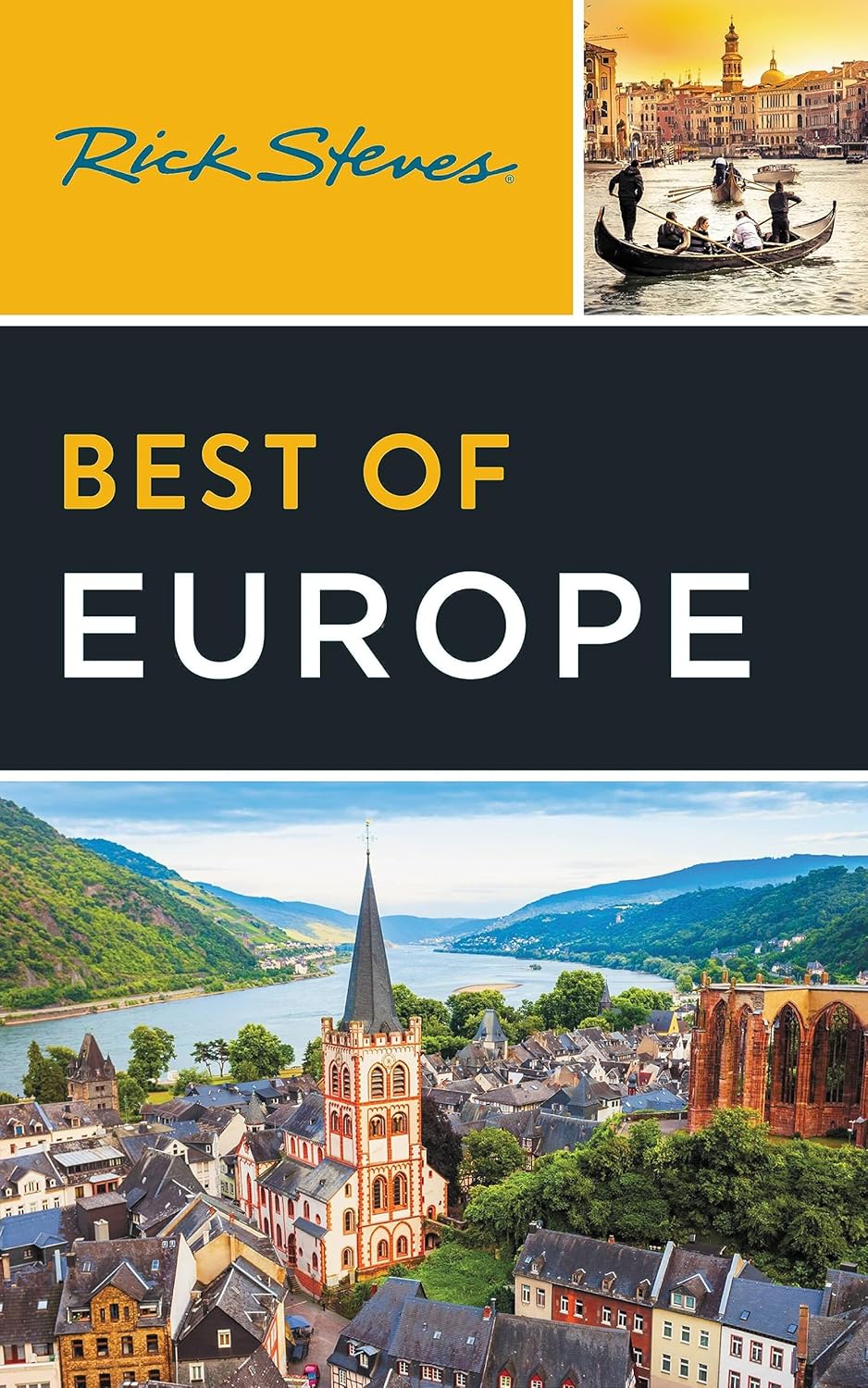
The Back Door Philosophy in His Own Words
Steves’ travel philosophy starts with a blunt diagnosis of why people stay home. The line that carries it is the most famous he has written: “Fear is for people who don’t get out very much.” (Travel as a Political Act, 2009). He is not calling anyone a coward; he is reporting a correlation he has watched for fifty years. The people most afraid of the world are reliably the people who have seen the least of it, and the cure is not courage but exposure. The same book carries the constructive half of the argument: “To me, understanding people and their lives is what travel is about, no matter where you go.” Sightseeing is the cover story. The actual product is empathy.
The second pillar is intensity. The signature line of Europe Through the Back Door, kept through four decades of editions and pinned to his own travel philosophy page, makes the case: “Travel is intensified living: maximum thrills per minute and one of the last great sources of legal adventure.” The back door is the method that delivers it. Skip the front-door version of Europe sold by the cruise brochures, carry one bag, ride the second-class carriage, stay where the locals celebrate rather than where the tour buses idle. The reward is not saved money, although there is plenty of that. The reward is that “travel is freedom… one of the last great sources of legal adventure”, as his philosophy page puts it, an adventure available to anyone with a daypack and a rail pass.
The third pillar is citizenship, and it is the one that makes Steves quietly radical. Travel, in his telling, is a political act because it dismantles the fear that bad politics feeds on. He said it plainest in a 2021 New Yorker interview: “The most frightened people are the people who don’t travel.” And he has spent the decade since Travel as a Political Act evangelising the upgrade: in On the Hippie Trail (2025) he frames himself as “an evangelist for the notion that good travel is more than bucket lists and selfies.” Come home changed or you have only been shopping. It is the rare travel philosophy that survives contact with both a church potluck and a Kathmandu bus station, which is much of why his audience trusts him with both.
Memorable Rick Steves Travel Quotes by Theme
Fear and Understanding
Fear is for people who don't get out very much.
— Rick Steves Travel as a Political Act (Nation Books, 2009) His most quoted line, usually shared with no source. This is where it lives.
The most frightened people are the people who don't travel.
— Rick Steves Interview with Rachel Syme, The New Yorker (2021) An interview remark, not a book line, and we cite it as one. The companion thought to the fear quote.
Travel as Intensified Living
Travel is intensified living: maximum thrills per minute and one of the last great sources of legal adventure.
— Rick Steves Europe Through the Back Door (Avalon Travel, in print since 1980) The signature line of the book that started everything, kept through forty years of editions.
The intensity doctrine puts Steves in older company than the PBS sweater suggests. The same conviction that travel is life at full volume runs through Ernest Hemingway and Jack Kerouac, who took the thrills-per-minute argument to its limits. Steves’ contribution was proving you can have the intensity on a schoolteacher’s budget with a 22-day itinerary.
Citizenship and the Wider World
To me, understanding people and their lives is what travel is about, no matter where you go.
— Rick Steves Travel as a Political Act (Nation Books, 2009) The constructive half of the fear argument: exposure builds empathy.
I'm an evangelist for the notion that good travel is more than bucket lists and selfies.
— Rick Steves On the Hippie Trail (Avalon Travel, 2025) Five decades after the journey that made him, the doctrine in one sentence.
A sourcing note, because this page exists to be the accurate one: the souvenir line that leads most Rick Steves quote roundups, about travel being rich with learning opportunities and the ultimate souvenir being a broader perspective, circulates in several wordings and is almost never tied to a verifiable book passage, so we present it as his signature sign-off philosophy rather than pin it to a page number. The aggregator habit of laundering interview remarks into book quotes is exactly how lines drift loose from their authors, a story we tell in full in the famous misattributed Mark Twain sailing quote investigation.
For the full canon in context, browse the 100 best travel quotes mega-pillar, where the fear line anchors the courage theme.
Other Voices in Professional Travel Writing
Frequently Asked Questions about Rick Steves
Who is Rick Steves and what made him famous?
Rick Steves (born 1955, raised in Edmonds, Washington) is an American travel writer, TV host and tour operator. He is best known for the guidebook Europe Through the Back Door (self-published in 1980, in print ever since), the PBS series Rick Steves’ Europe, his public radio show, and a tour company that takes tens of thousands of travellers to Europe each year.
What is Rick Steves' most famous travel quote?
“Fear is for people who don’t get out very much,” from Travel as a Political Act (2009). His television sign-off “Keep on travelin’” is nearly as well known.
What are Rick Steves' best books?
Europe Through the Back Door for travel skills, Travel as a Political Act (2009) for his philosophy, On the Hippie Trail (2025) for the origin story, and his Italy and Best of Europe guides for trip planning.
What is Back Door travel?
Steves’ approach to Europe: pack light, spend less, skip the front-door crowds and connect with locals through the “back door”. It has anchored Europe Through the Back Door across more than 40 editions and shapes every guide he publishes.
Is Rick Steves still making his TV show and running tours?
Yes. After announcing a prostate cancer diagnosis in 2024 and completing treatment, he returned to filming Rick Steves’ Europe and leading his Edmonds, Washington tour company.
Steves’ Lasting Legacy for Travellers
Steves’ gift to travellers is permission to go. He took the grand tour out of the luxury class and turned it into a teachable skill: one bag, a rail pass, a phrasebook and the nerve to walk past the front door. Forty years of guidebooks, a thousand episodes of television and radio, and one big idea underneath all of it: the world is safer, friendlier and more interesting than the people who never see it believe. If you read one Steves book, make it Europe Through the Back Door. If you want the philosophy neat, it is Travel as a Political Act, no contest. And for more travel wisdom with its sources intact, browse the 100 best travel quotes or the rest of our author bio library.